
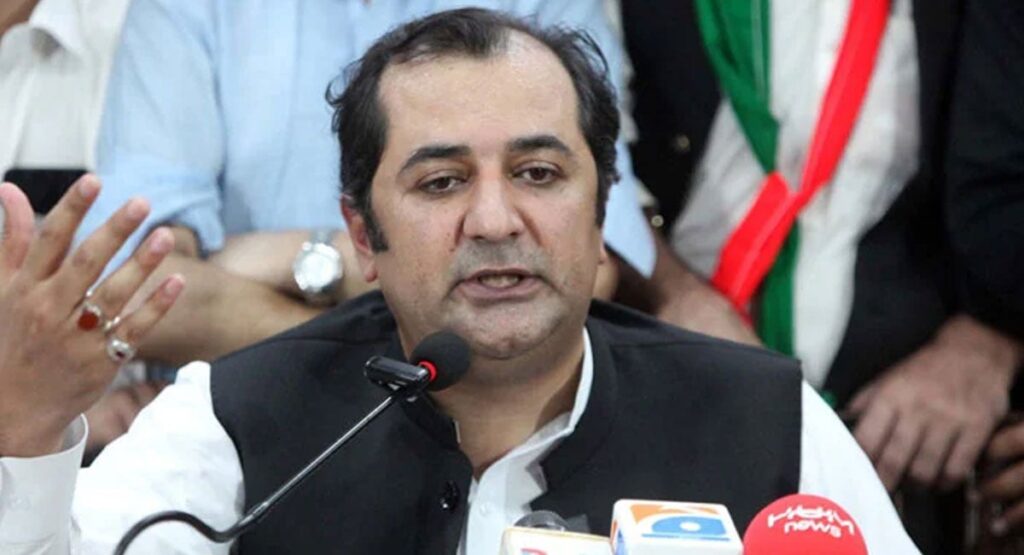
Ex-GB Chief Minister Khalid Khurshid Sent to Jail on Judicial Remand
ISLAMABAD – An Anti‑Terrorism Court in the capital ordered former Gilgit‑Baltistan chief minister and Pakistan Tehreek‑e‑Insaf regional president Khalid Khurshid Khan to be placed in jail on judicial remand on Saturday. The decision came in a case linked to a protest held on November 26. Judge Abul Hasanat Muhammad Zulqarnain heard the matter after police presented the formal arrest of Khurshid in a protest‑related case filed at Aabpara Police Station.
Police had asked the court for a 30‑day physical remand to continue their investigation, but the judge turned down the request and directed that Khurshid be held on judicial remand instead.
Khurshid was taken into custody on October 11 from the Speaker House in Peshawar, together with Khyber Pakhtunkhwa Assembly Speaker Babar Saleem Swati and several other individuals, according to PTI’s official social‑media channels.
Following the arrest, his son Hanifullah filed a petition in the Peshawar High Court asking for his father’s release and for the preservation of CCTV footage from the Speaker House. The petition listed the Khyber Pakhtunkhwa Inspector General of Police, the capital city police officer and other relevant officials as respondents. It alleged that unidentified persons removed Khurshid from the Speaker House around 2 a.m. and claimed that police were reluctant to register a formal case about the incident.
In December 2024, an anti‑terrorism court in Gilgit‑Baltistan sentenced Khurshid to 34 years in prison and imposed a fine of Rs 600,000 for allegedly threatening security agencies during a public gathering. He had been elected to the Gilgit‑Baltistan Legislative Assembly from Astore district on a PTI ticket in the 2020 general elections and later became chief minister.
The Gilgit‑Baltistan Chief Court disqualified him from holding public office in July 2023 after finding that he obtained a licence from the GB Bar Council using a forged educational degree. The ruling ended his tenure as chief minister and led to a reshuffling of the region’s political landscape.