Europe Demands a Seat at the Table as Ukraine Peace Talks Gather Pace
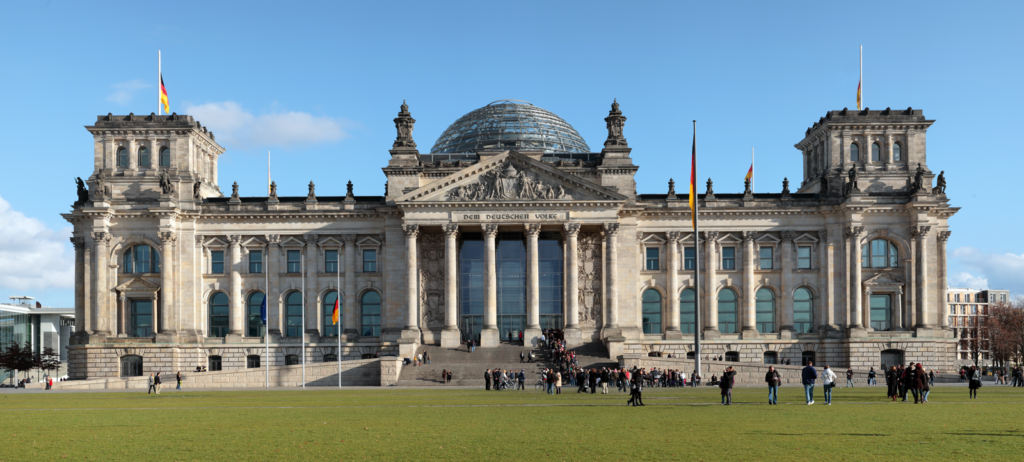
European leaders said on Thursday they are ready to negotiate directly with Russia to end the war in Ukraine, ending months in which Europe has watched American-led diplomacy from the sidelines. At a summit of Ukraine’s allies in Berlin, known as the Coalition of the Willing, British Prime Minister Andy Burnham said Europe had “a clear and consistent and united negotiating position”, while German Chancellor Friedrich Merz said Moscow’s “maximalist demands are not realistic”.
The show of unity came a day after President Donald Trump held historic three-way talks in Shenzhen with Russia’s Vladimir Putin and China’s Xi Jinping, then dialled into the Berlin meeting from Air Force One.
A united front in Berlin
Trump’s son-in-law Jared Kushner, one of two American envoys in Berlin, struck the most optimistic note. He said the president wanted a deal with Moscow “with Europe by his side” and had come away from Shenzhen believing that “peace is achievable”. Kushner added that Moscow was now “comfortable” with Ukraine having security guarantees based on NATO’s Article Five, under which allies come to a country’s defence if it is attacked.
President Volodymyr Zelensky, who was also in Berlin, was far less upbeat. He made clear that the Russian president had rejected every proposal put to him so far. “Putin has always said no,” he said. Merz was equally sceptical, although he said that with American involvement the chance of peace was increasing.

What Putin offered, and what he did not
Putin, speaking after his talks with Trump and Xi, said the Americans were “insistently” asking Russia to allow the Europeans to take part. He claimed Russia was not against the idea, but said Moscow wanted to clarify “what Europe will bring to these talks”. Through diplomatic channels, he said, Russia has invited the Europeans to come to Moscow to determine their positions, and only after that will it decide in what format the dialogue with Ukraine continues.
That invitation is a step, but it is not a seat at the negotiating table. Kremlin aide Yury Ushakov said this week that “a great deal” would have to be done before the format could be expanded. Putin also complained that Russia hears European leaders talking every day about war coming in 2030. “We are not planning to attack anyone,” he said. Merz answered directly: Europe was willing to enter “serious discussions on European security” with Russia, he said, “as long as it is matched with a serious discussion and only first a peace agreement with Ukraine”. He also warned that any attempt to divide Europe into spheres of influence was unacceptable. “A ‘Yalta format’ will not bring peace,” he said, referring to the 1945 agreement between the US, the Soviet Union and Britain.
The guarantee question
At the centre of any deal sits the question of what protects Ukraine after the fighting stops. Zelensky has long sought a guarantee equivalent to NATO’s collective defence clause, and there has been little sign that Putin would accept it. Russia rejects Ukrainian membership of NATO outright, but reports say American negotiators have considered Article Five-style guarantees without membership, if Ukraine agrees to painful territorial concessions. That trade, land for guarantees, is the hardest part of the negotiation.
What happens next
The next move belongs to the Europeans invited to Moscow. Their visit, if it happens, will test whether Putin’s invitation is a genuine opening or a way to slow the process while the war continues. What has changed is the shape of the diplomacy: Europe is no longer asking to be included, it is declaring itself ready, with a united position and American backing.