Duterte Faces Trial at The Hague on Monday in a Case That Will Test the ICC Itself
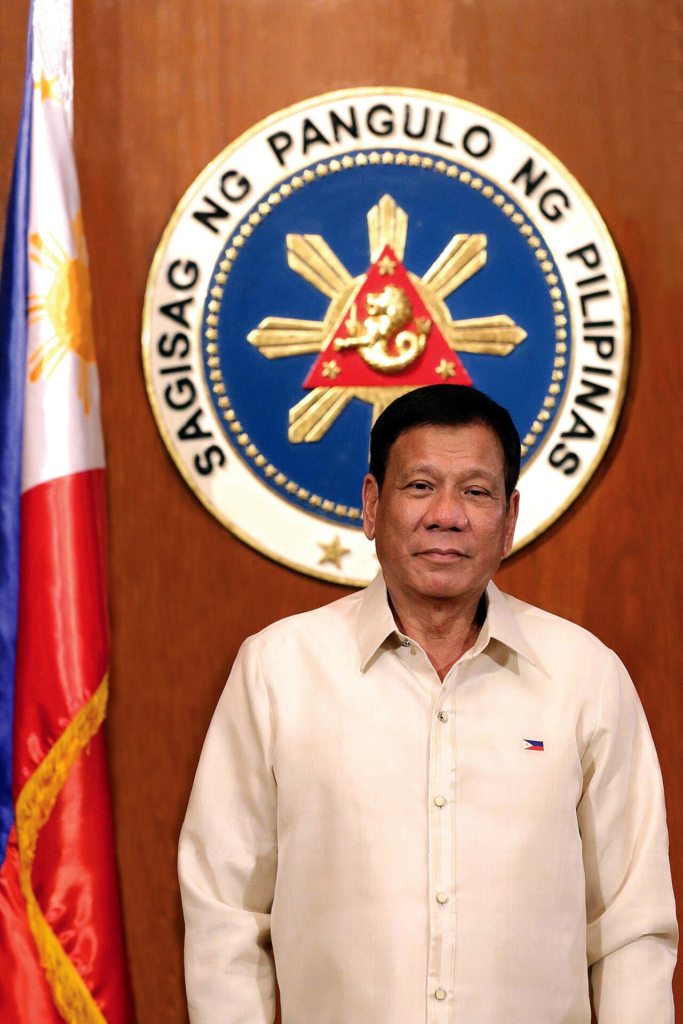
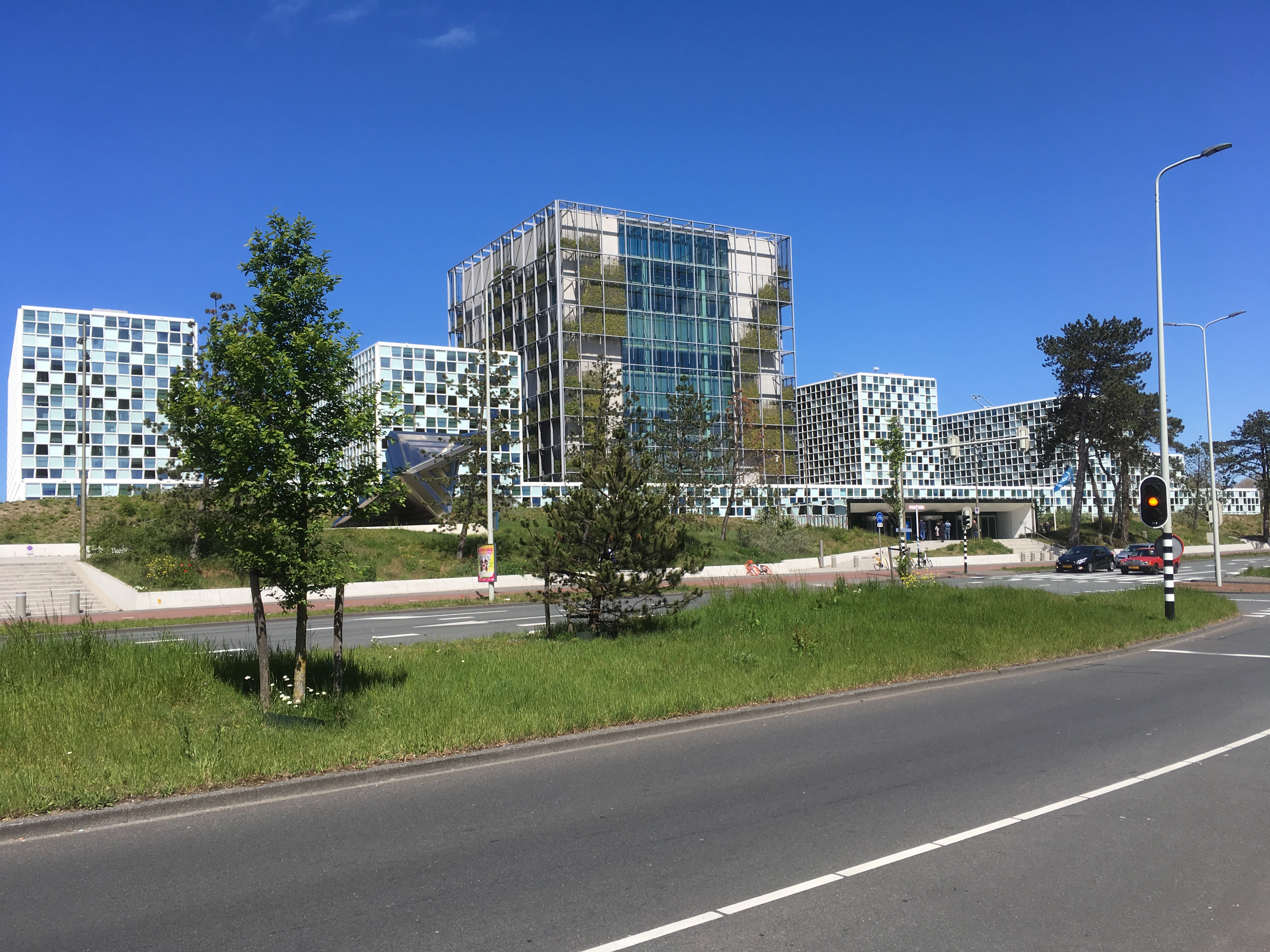
On Monday, former Philippine president Rodrigo Duterte will take his seat in a courtroom in The Hague as his trial for crimes against humanity opens at the International Criminal Court. He is 81, he denies the charges, and it is one of the biggest cases the court has ever tried, and the first against a former Asian head of state.
The charges
Duterte faces three counts of crimes against humanity, murder and attempted murder, over 85 murders and two attempted murders from 2011 to 2018, when he was mayor of Davao City and in the early years of his presidency. Prosecutors say the victims are only a sample of as many as 30,000 people killed by death squads in his anti-drug campaign. Philippine law enforcement agencies acknowledged 6,248 deaths. Prosecutors have said Duterte created, funded and armed death squads responsible for thousands of extrajudicial killings. If convicted, he could face life in prison. He will be asked on Monday to enter a plea before prosecutors present opening arguments. His lawyers say he denies the charges.
The families who waited
For the families of the dead, Monday has been a long time coming. Llore Pasco, a mother who lost her two sons, is travelling to The Hague for a trial that opens on her 73rd birthday. Her only wish, she said, is justice not just for her children but for all those killed under Duterte, and she hopes the killings stop for the next generation. More than 500 alleged victims will be represented, and about 100 prosecution witnesses are expected to testify. The trial is expected to run well into 2027 and may last several years. Duterte was arrested in March 2025 and is held in a war crimes detention unit in a Dutch prison. His lawyers argued he was unfit because of cognitive decline, but judges found on October 8 that he is fit, and sessions will be shortened for his age.
A court under pressure
The proceedings will test the court amid a US campaign to force its closure. Washington has imposed crippling financial sanctions and called on member states to withdraw from the ICC and isolate it. The ICC is the world’s sole permanent war crimes tribunal, set up to act when national courts fail to do so. Duterte is only the second former national leader to appear before it for crimes allegedly committed while in power, after Laurent Gbagbo of Ivory Coast, acquitted in 2019. His daughter Sara Duterte, now vice president, said on Wednesday that no foreign court or nation should ever stand above the sovereignty of the country. After opening statements, the first witness takes the stand at once, hearings run daily until the recess on December 18, and evidence is scheduled in blocks from January to April 2027.
Why this trial matters beyond the Philippines
This trial is about more than one man. It is the first real test of whether an international court can hold a former leader to account for a drug war carried out in the open. In his 2016 campaign, Duterte told supporters he would do just what he did as mayor, warning drug pushers and hold-up men that he would kill them. His lawyers call that mere rhetoric. Now a court will decide whether it was a policy. A verdict is years away, and the trial may be interrupted by legal challenges and pressure on the court. But Monday’s opening is the milestone the victims’ families have awaited since 2016, and what happens there will shape whether other leaders who order killings in a crackdown ever face the same reckoning.
Sources: Reuters, International Criminal Court, The Manila Times and Inquirer