Fazlur Rehman, the Sargodha Ban and a Protest Call: What Is Confirmed and What Comes Next
Two claims collided in Lahore this week. JUI-F chief Maulana Fazlur Rehman says police confined him to his residence and blocked his road to Sargodha. Police told the Lahore High Court he is neither arrested nor under house arrest. Between those two claims sits a 30-day entry ban on Sargodha district, a disposed court petition and a nationwide protest call. The facts are messier than either side’s version.
What happened in Lahore
Fazl reached Lahore on Monday night to address an all-parties seminar at the invitation of the Lahore High Court Bar Association. On Tuesday, containers and police deployment outside his Park View Society residence kept him from leaving, and he missed the seminar. In a video message he called it a “state siege” and said roadblocks had choked the city. Police began removing the barriers by Tuesday evening and told him he was free to leave. A JUI-F lawyer filed a petition in the Lahore High Court challenging the alleged confinement, saying about 3,000 police personnel had been deployed and no detention order was shown. The district administration also imposed Section 144 in Lahore for three days.
The court hearing and the Sargodha order
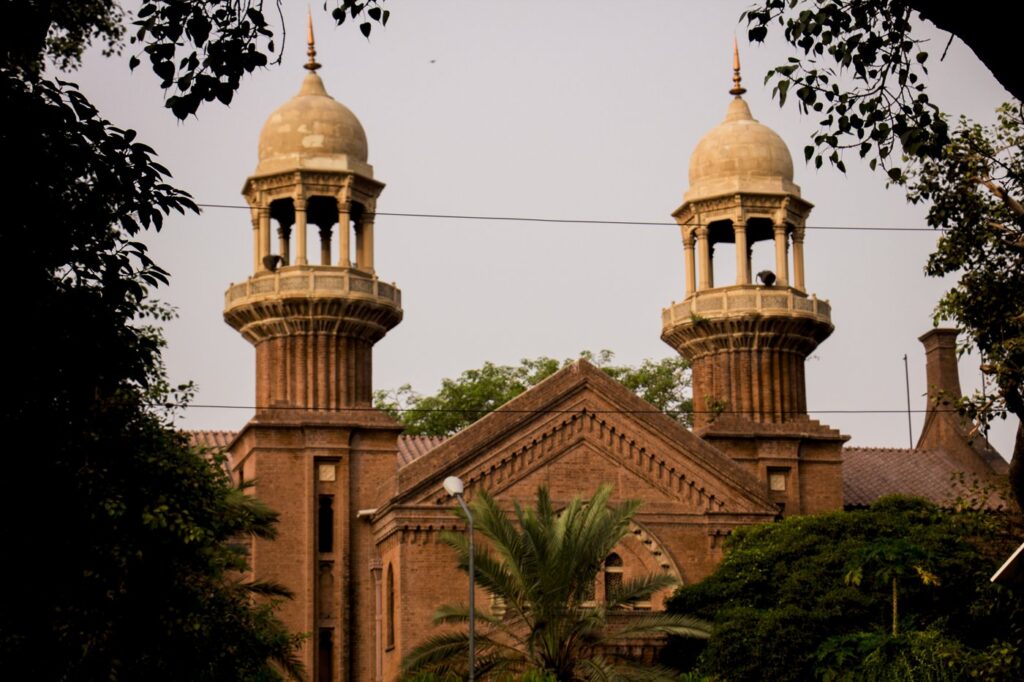
On Thursday, the Lahore High Court disposed of the petition after police maintained Fazl was neither wanted in any criminal case nor placed under house arrest. CCPO Lahore Bilal Siddique Kamyana appeared in court, and a law officer said Fazl had gone out to offer condolences, offering video and photos as proof. Justice Ali Zia Bajwa asked how a confined man could record a video statement, and directed the officer to produce the footage. The same day, the Sargodha deputy commissioner barred Fazl and eight other JUI-F leaders from entering, residing or remaining in Sargodha district for 30 days from 25 November, under the Maintenance of Public Order Ordinance. Entry and exit points were sealed, containers placed on the routes, and Section 144 enforced. Fazl’s planned 26 November conference in Sargodha did not go ahead as planned, and he announced nationwide protests and a shutter-down campaign instead, calling on workers to block highways and motorways.
Why this is about more than one rally
The Sargodha gathering was not a routine party event. It sits inside a wider opposition push over the petroleum levy, the fuel tax that has become the sharpest political argument of the month. Jamaat-e-Islami and the government agreed draft outlines for petroleum levy relief this week, which shows the levy issue has real negotiating weight. JUI-F, meanwhile, says its workers and office-bearers were arrested and its businesses sealed in Bhakkar, Mianwali, Khushab and Sargodha ahead of the gathering, claims local authorities have not independently confirmed. A second NAB notice has also gone to the JUI-F chief’s son over alleged illegal appointments in Pakistan Post. Taken together, the pressure is legal, administrative and political at once, which is why the party reads the roadblocks as a campaign, not a traffic measure.
What comes next
Three things will decide how this ends. First, whether the nationwide protest call draws crowds beyond JUI-F’s own workers, or stays party-only. Second, whether the 30-day Sargodha ban survives a legal challenge, since the party can now test the deputy commissioner’s order in court. Third, whether the petroleum levy talks produce relief that takes the heat out of the wider protest season. For now, the one fact both sides agree on is simple: Fazlur Rehman is in Lahore, he is not in custody, and he has not reached Sargodha. Everything else is still contested, and the next test comes when his workers answer the protest call.
Photo: The Lahore High Court building. Credit: Mariyam Aftab, via Wikimedia Commons (CC BY-SA 4.0).
Sources: Dawn, Dawn, The News, The Nation, The Express Tribune.