Poland Plans No-Fly Zone Along Ukraine Border After Russian Missiles Land on Its Soil
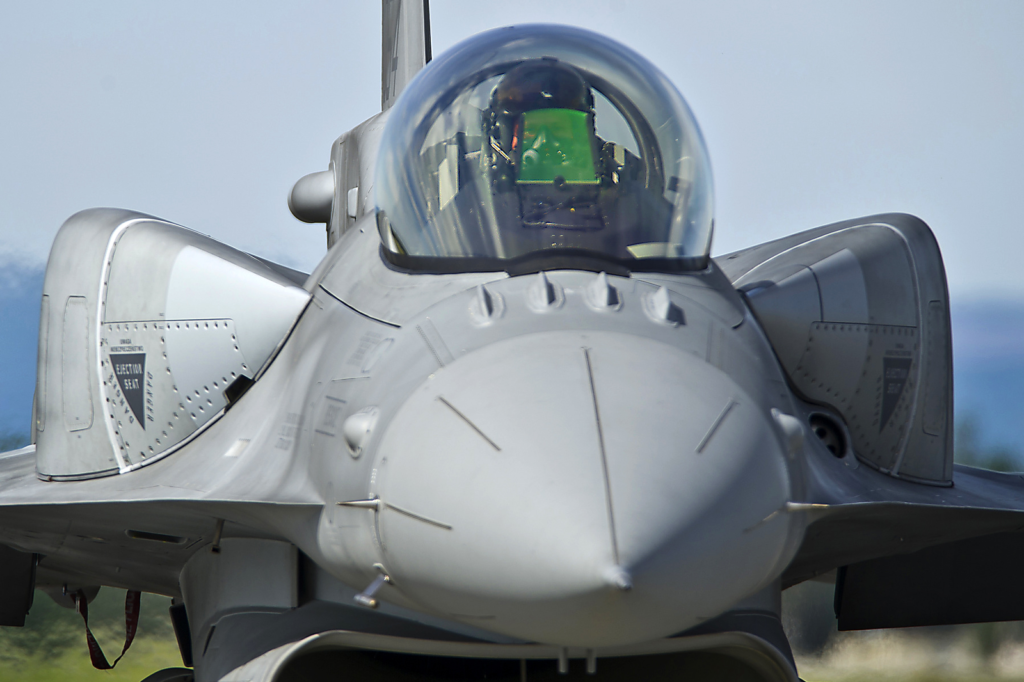
Poland plans to set up a no-fly zone along its eastern border with Ukraine, Deputy Defence Minister Cezary Tomczyk said on Wednesday, in a move aimed at giving Polish fighter pilots a clearer basis to shoot down Russian missiles and drones that cross into Polish airspace. The announcement follows a series of incursions, including three Russian cruise missiles that landed in Poland last Friday.
What Poland is planning
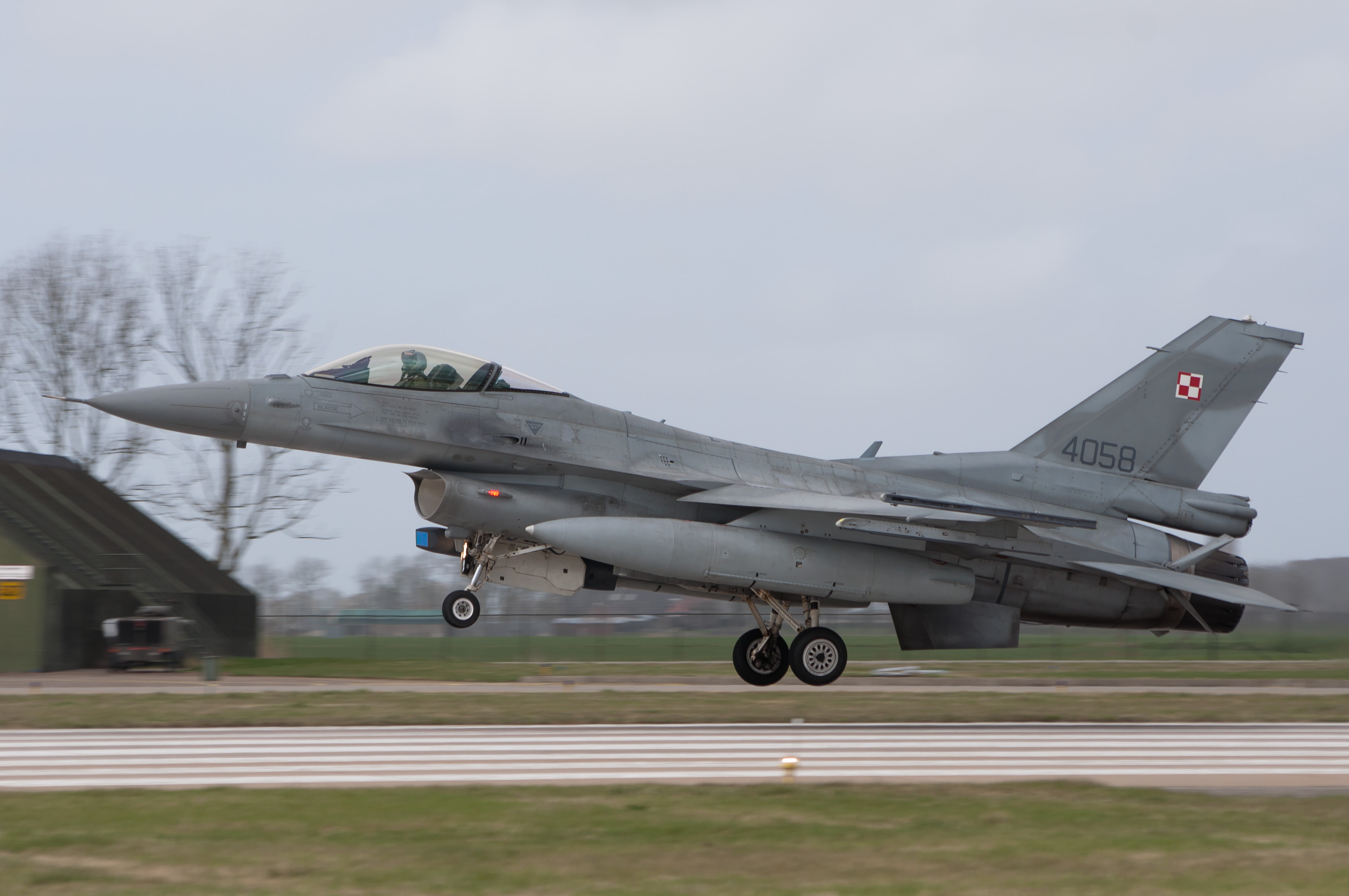
The zone would be limited, stretching from a dozen to several dozen kilometres inside Polish territory from the eastern border, Tomczyk said. A draft regulation has already been submitted to the government, and he said he wants it in force by the end of December or early January. It would work together with a procedure introduced about two months ago under which Polish pilots no longer need to identify an aerial object visually before engaging it. Instead, a radar track, information from allies, and the altitude and speed of the object can be enough. Tomczyk said Poland would also urge its allies to adopt the same principle along the whole eastern flank of NATO. At present, flights near the border are restricted to an altitude of around three kilometres during the day and banned from sunset to sunrise, with limited exceptions such as medical flights.
The incursions that forced the decision
The immediate trigger was last Friday, when three Russian Kh-101 cruise missiles fell on Polish territory during a large scale Russian attack on Ukraine, according to Polish prosecutors. Then on Monday a Russian drone entered Polish airspace from Ukraine and spent a few minutes there. The military had been authorised to fire on it, but did not do so after it turned back towards the border. NATO has offered support, including the deployment of an airborne warning and control aircraft to Poland. But the pattern is now clear enough that Warsaw no longer wants to rely on case by case decisions made in the minutes after an object appears on radar. A defined zone, with published rules, is meant to shorten that decision and remove the doubt about what a pilot is allowed to do.
The bigger argument inside NATO
Poland is also pressing a wider question that goes beyond its own border. Warsaw has asked NATO allies to consider intercepting Russian missiles over Ukraine when they are heading towards allied territory. Foreign Minister Radoslaw Sikorski said on Wednesday that shooting down a missile over Ukraine at Kyiv’s request would fall within the definition of self defence. NATO has not backed the idea so far. Tomczyk acknowledged that the alliance was not supportive, and NATO Secretary General Mark Rutte said last weekend that he did not think allies should shoot down Russian missiles and drones over western Ukraine. Some allies have shown interest, but the discussions remain preliminary and no decision has been made. That split is why the no-fly zone matters: it is something Poland can do on its own, inside its own territory, without waiting for a consensus that may never come.
What to watch
The first test is the calendar. If the regulation takes effect around the turn of the year, as Tomczyk hopes, Poland will enter 2027 with a formal zone in place. The second test is whether other countries on the eastern flank follow. And the third is whether Russia’s attacks on Ukraine keep spilling across the border. If they do, the zone will be tested in practice, and the argument inside NATO about intercepting missiles over Ukraine will return, sharper than before.
Sources: Reuters and Kyiv Independent