China Is Testing a New Way to Land Troops Across the Taiwan Strait
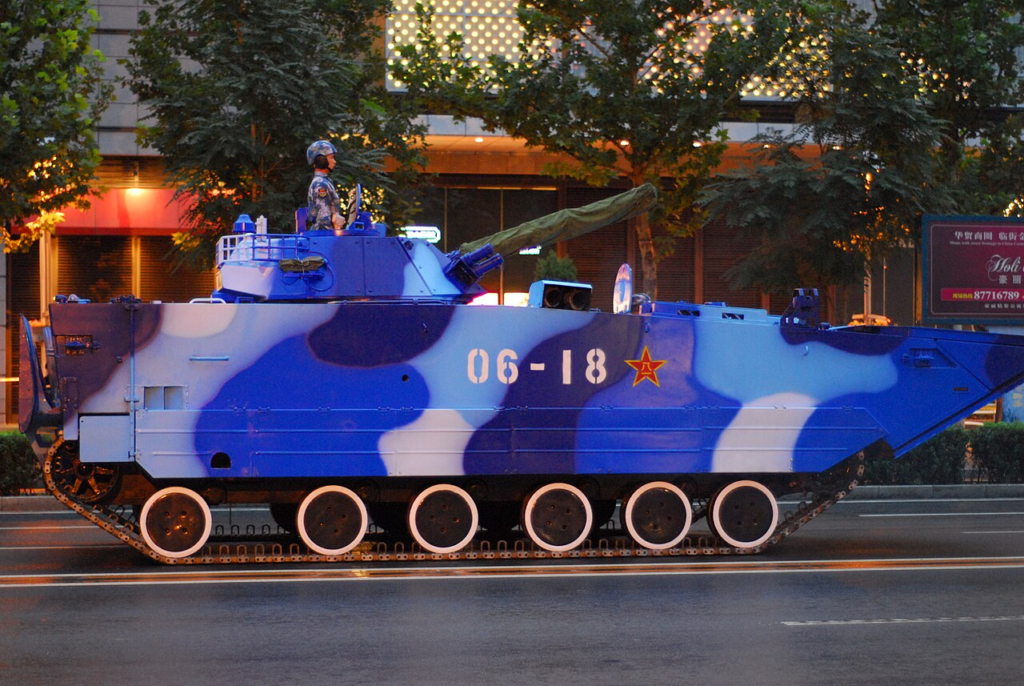
China is staging a weeks-long amphibious landing drill in the province directly across from Taiwan, satellite images show, and the exercise is testing a method the People’s Liberation Army has not tried in quite this form before: linking civilian ships together into a floating bridge so heavy equipment can be moved ashore where there is no port.
What the satellites found
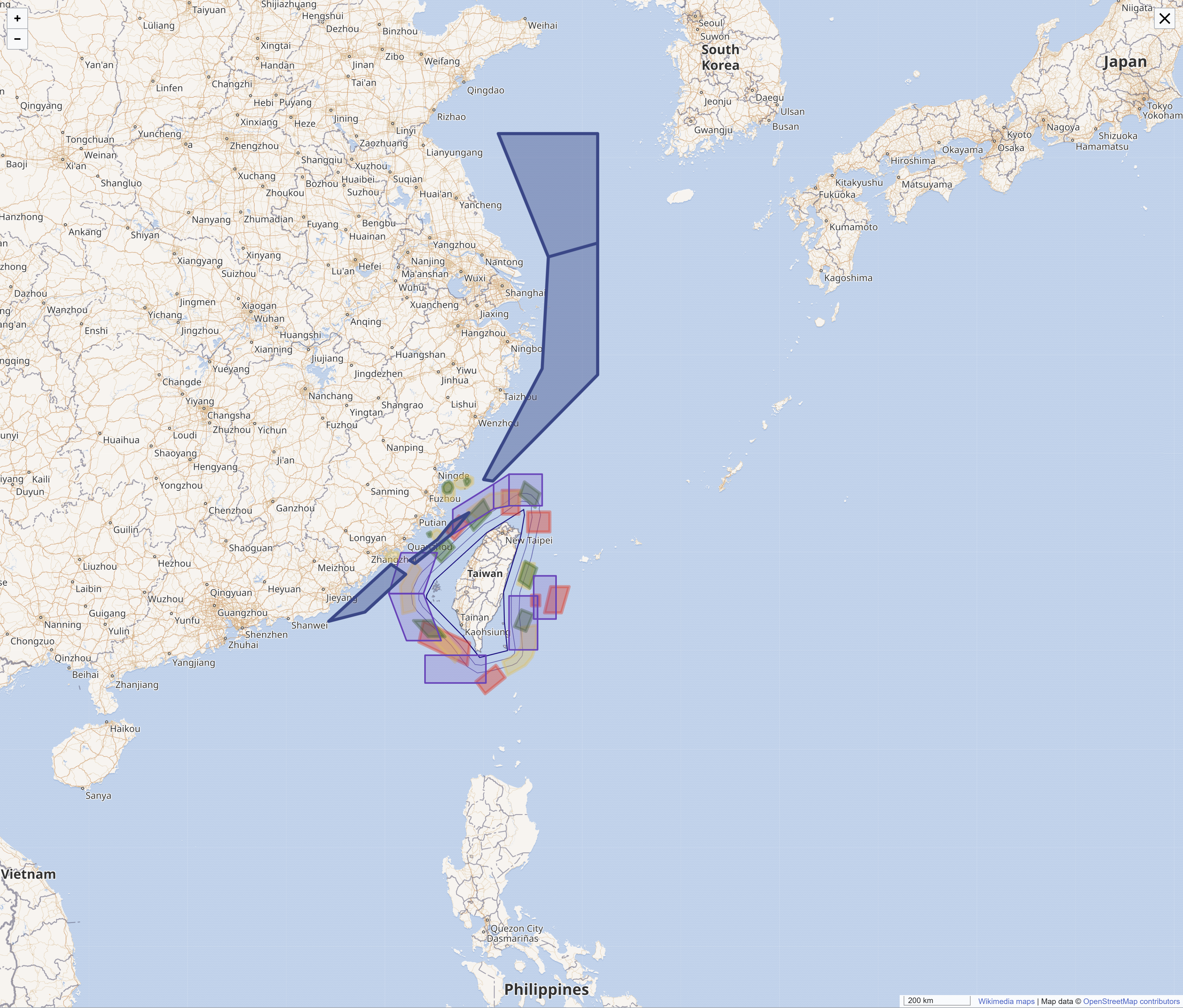
The exercise in Dacheng Bay, in China’s southeastern Fujian province, was first spotted on November 1, according to satellite images and a report by geospatial data company ingeniSPACE reviewed by Reuters. A senior security official confirmed it was still in progress on Friday, November 27, in a bay just 280 kilometres from Taiwan’s main island. Analysis of images from November 1 to 16 showed the vessels manoeuvring around the bay, forming and then dismantling a floating bridge about 800 metres long, activity also visible in images from commercial providers Vantor and Planet Labs. Eight civilian vessels took part, four barges, two semi-submersible vessels and two powered vessels, along with four landing craft, smaller support vessels and Chinese navy ships nearby. No purpose-built bridging equipment was seen, suggesting China is honing the use of civilian ships to improvise landing infrastructure.
Why this drill is different
The drill was designed to practise the swift seizure of small islands, the official said, and was very targeted at contingencies along the first island chain, the arc of islands from Japan through Taiwan and the Philippines. It appeared to be part of this year’s All-Military Strategic Exercise by the Chinese military, and was routine but held later than in previous years. Taiwan has disclosed similar Chinese amphibious drills in Dacheng Bay in 2023 and 2024, both involving roll-on/roll-off freighters, and Reuters documented a similar exercise off Guangdong in August last year. Jamming activity was also observed in the area. The exercise is being held near Dongshan Island, which President Xi Jinping visited in 2024.
What Taiwan and Beijing are saying
Taiwan’s defence ministry said it was aware of the activity and was weighing the implications for security in the strait and peace in the region. China’s defence ministry did not respond to a request for comment, but said on Thursday that its training was entirely legitimate and reasonable. The drill is under way as Taiwan prepares for local elections on Saturday, though the official made no direct link to them. Beijing has repeatedly denounced the ruling party’s candidate for Taipei mayor, whom it calls a separatist.
What it does and does not prove
Getting heavy equipment across the strait and onto a hostile shore is the hardest part of any invasion scenario, and that is the problem this drill targets. As Jason Wang, ingeniSPACE’s chief operating officer, put it, using civilian ships to bridge heavy equipment from deeper waters creates additional landing locations along the Taiwan coastline. But the senior security official cautioned against overstating its battlefield value, saying there is still some distance between innovation and fantasy, and that barges would be live targets in wartime. A bridge made of civilian barges is slow, exposed and untested under fire. The drill shows intent and ingenuity, not a finished capability. What to watch is whether the exercise continues into December and whether similar drills appear elsewhere along the strait. China views democratically governed Taiwan as its own territory, despite Taipei’s rejection of Beijing’s sovereignty claims, and has never renounced the use of force to bring it under Chinese control.
Sources: Reuters and The Straits Times