Pakistan and China Put an LPG Plant and Petrol Imports on the Fast Track
Pakistan and China have agreed to fast-track two energy projects under government-to-government arrangements: a liquefied petroleum gas plant with storage and terminal facilities, and imports of motor gasoline. The understanding was reached in Islamabad on Wednesday, when Petroleum Minister Ali Pervaiz Malik and Pakistan State Oil chief executive Jawwad Ahmed Cheema met Chinese Ambassador Jiang Zaidong and his commercial team. The Petroleum Division said the two sides would form a joint commercial team to turn the discussion into a structured plan.
Two projects lead the list
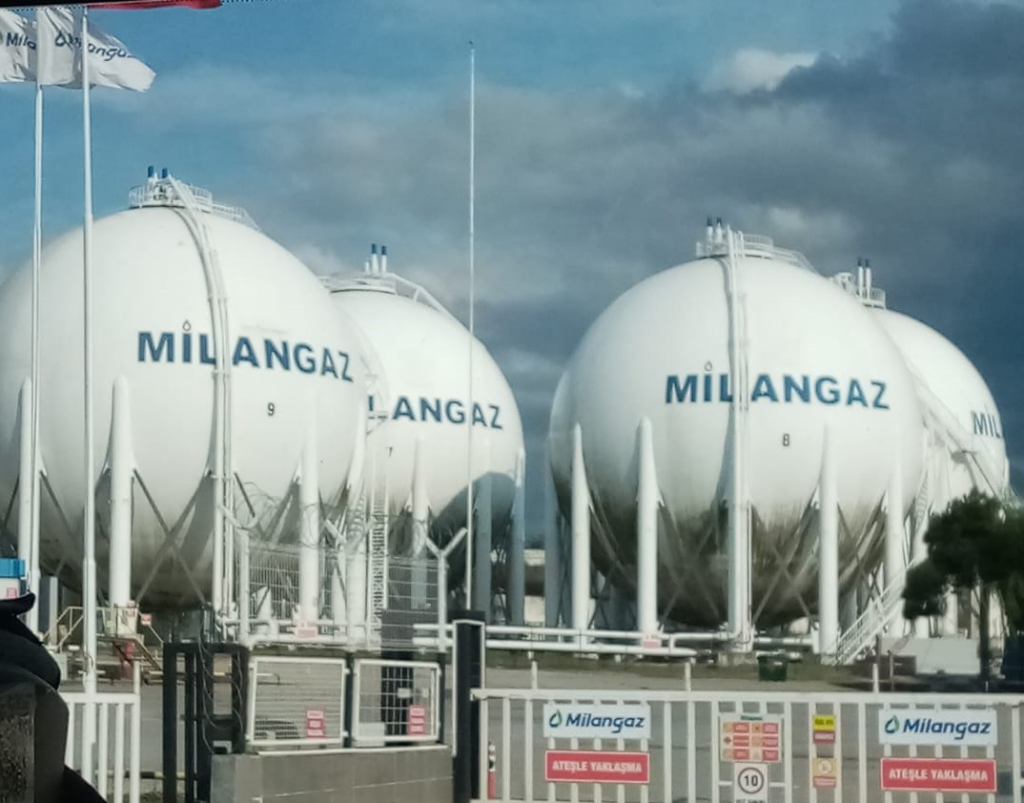
The first priority is an LPG plant with storage and terminal facilities. The aim is to expand domestic supply, widen access to cleaner fuel and ease the peak-season shortages that hit households every winter, when demand for cooking gas rises and supply runs short. The second priority is the import of motor gasoline, covering sourcing, storage and logistics, to strengthen fuel security and secure reliable supply at competitive prices. Petrol prices were cut to Rs314 a litre this week, but Pakistan still imports most of the fuel it burns, so the price at the pump depends heavily on world markets and on the supply chains that bring the fuel in.
A wider energy and mining agenda
The talks went beyond the two headline projects. The two sides also discussed investment in upstream exploration, offshore fields, minerals and mining, and downstream refining and distribution. The discussions included unlocking investment potential in Balochistan, developing integrated offshore hubs and expanding Chinese downstream companies in Pakistan through partnerships with PSO. Leading national energy firms, including the Oil and Gas Development Company, will also partner with Chinese enterprises across the energy value chain, according to the Petroleum Division statement.
From discussion to delivery
The two countries agreed to form a joint commercial team to evaluate opportunities, engage prospective companies and develop a structured roadmap covering upstream, offshore and downstream operations, including the LPG plant and the gasoline import arrangements, as well as minerals and mining. Malik told the Chinese delegation that Pakistan wants to move decisively from discussions to implementation, and that combining China’s technological strength and investment capacity with Pakistan’s resource potential presents an exceptional opportunity. He also pointed to deregulation of the petroleum sector, investor-friendly policies, streamlined import and export procedures and improved security arrangements, and assured the delegation that Pakistan would protect investments and provide an enabling environment for long-term operations.
Why it matters for households and the economy
Fuel is one of Pakistan’s largest import bills, and shortages of gas and petrol hit ordinary people first. An LPG plant with proper storage would give the country a buffer against winter shortages, while a steady gasoline supply arrangement would reduce the risk of sudden disruption at the pump. The deal also fits a wider pattern. Days earlier, Pakistan secured a 200 million dollar credit facility from Oman’s OQ Trading for PSO, another step to make fuel supply more secure. The question now is speed. Energy announcements between Pakistan and China are common, and the joint commercial team will have to show a concrete plan, with named companies and timelines, before this one counts as more than a statement of intent.
What happens next
The joint commercial team is the first test. If it produces a roadmap with timelines and company names in the coming weeks, the LPG plant and the gasoline imports will move from agreed priorities to real projects. The ambassador reaffirmed China’s support and welcomed stronger business-to-business links, so the political will is on record. What matters now is whether the paperwork follows.
Sources: Dawn, “Islamabad, Beijing set sights on energy investment”, November 26, 2026, dawn.com; The Nation, “Pakistan, China agree to prioritise G2G projects for LPG plant, MoGas imports”, November 26, 2026, nation.com.pk