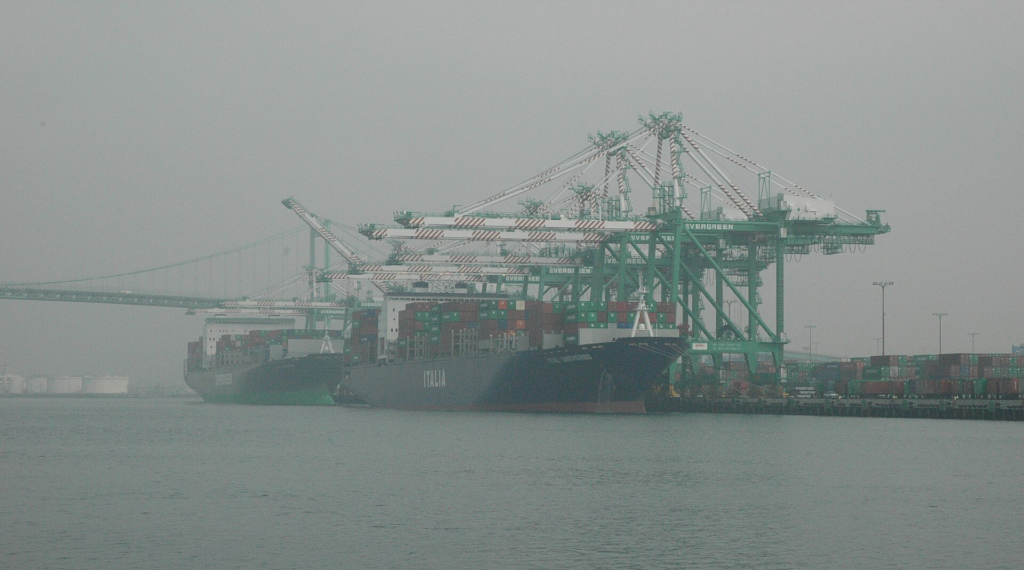
US Proposes New Tariffs on 14 Trading Partners as China Faces the Highest Rates
The Trump administration proposed a fresh round of tariffs on Wednesday, targeting 14 major trading partners in a move that revives the trade wars of the president’s first term on a new legal footing. The duties, announced by the US Trade Representative after an eight month investigation, are aimed at what Washington calls structural excess industrial capacity, the flood of cheap goods it says is distorting world markets. China faces the steepest rates. Close American allies are not far behind.
What the proposal covers
The proposed tariffs follow an eight month Section 301 investigation into unfair trade practices, a probe that covered 16 trading partners including Japan, the European Union and South Korea. Fourteen now face new duties: China, Bangladesh, Cambodia, the European Union, India, Indonesia, Japan, South Korea, Malaysia, Singapore, Switzerland, Taiwan, Thailand and Vietnam. Mexico and Norway were left out for now. The specific rates are to be published in a Federal Register notice on Wednesday, and the duties will go through a public notice and comment period, with a hearing before they take effect. A senior US official said that could push implementation into January.
China at the centre, allies in the net
China would face the highest rates. The proposed 20 percent excess capacity tariff on Chinese goods would sit on top of roughly 25 percent in tariffs imposed during President Donald Trump’s first term, keeping China above the 20 percent proposed for Vietnam. Washington blames Beijing most for flooding world markets with cheap exports, from steel to electric vehicles and solar panels. The administration says the duties will respect the limits in trade deals it has already negotiated, including a 20 percent cap for China under a year old truce that expires on January 10, a 15 percent cap agreed with the European Union, Japan, South Korea and Taiwan, and a 19 percent cap agreed with Malaysia.
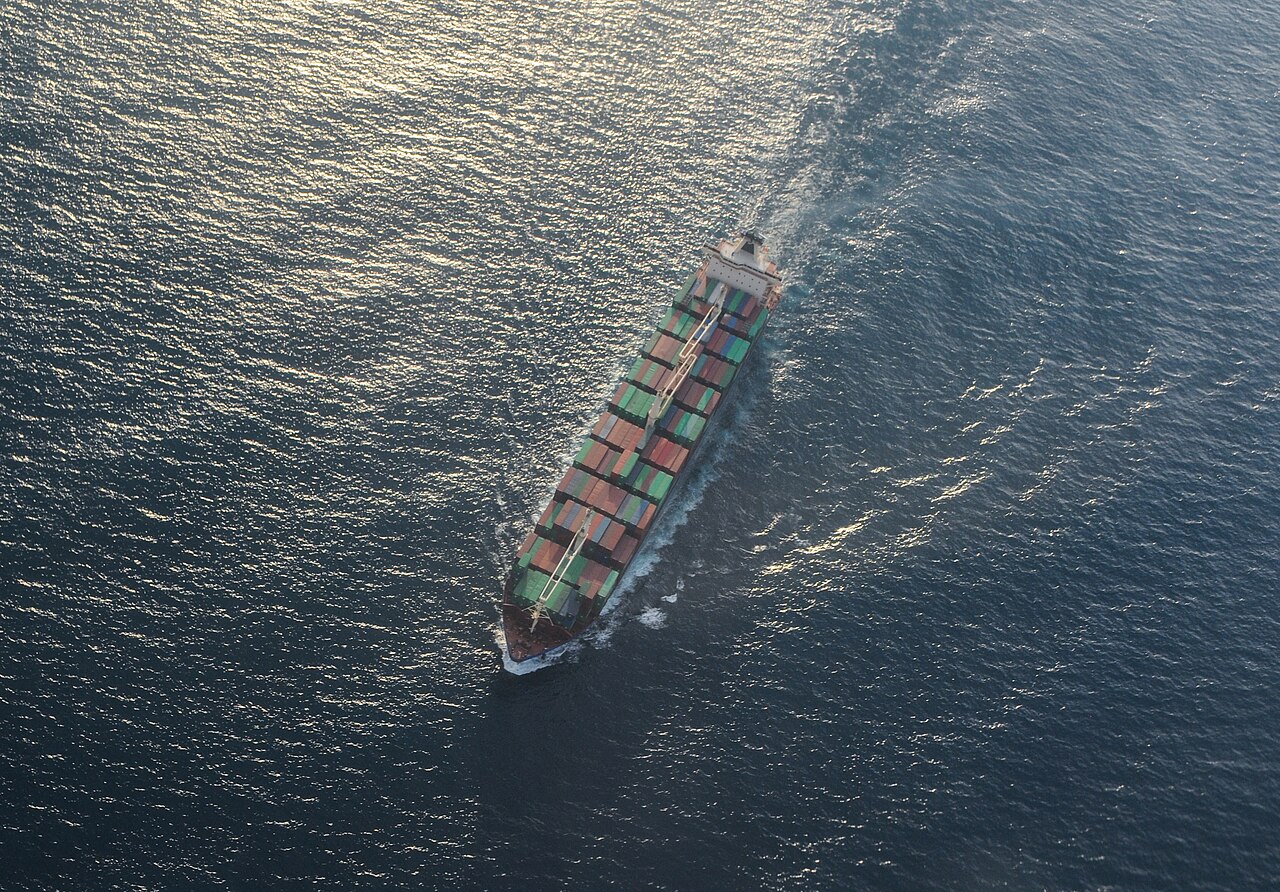
A container ship at sea. Photo: Wilfredor, Wikimedia Commons, CC BY-SA 3.0.
A new legal route after the court setback
The choice of Section 301 matters. It is the same trade law the first Trump administration used for its China tariffs, and it gives the White House a firmer legal footing than the emergency powers behind the tariffs the Supreme Court struck down months ago. The administration is rebuilding its tariff wall on ground the courts have already accepted, with a probe that took eight months rather than a weekend announcement. With the China truce expiring in January and a G20 leaders summit possibly coming to Miami in December, the proposal lands as both a threat and an invitation to negotiate. A senior US official said the duties were expected to result in more trade agreements being negotiated and finalised.
What it means for markets and shoppers
Markets reacted at once. The Dow, the S&P 500 and the Nasdaq all sank on Wednesday, hit by hot inflation data, the new tariff proposal and a continuing rout in chip stocks. For American businesses, the proposal means fresh uncertainty about the cost of imported parts and finished goods, just as many are setting budgets for next year. The comment period gives affected countries and companies a chance to argue their case, and the final rates may look different from the proposal. But the direction is clear. Washington is again using tariffs as its main trade weapon, and this time it is aiming at nearly every major trading partner at once, allies included. The test now is whether the threat produces deals, or a new round of retaliation.
Sources: Reuters, The Straits Times, The Daily Star.