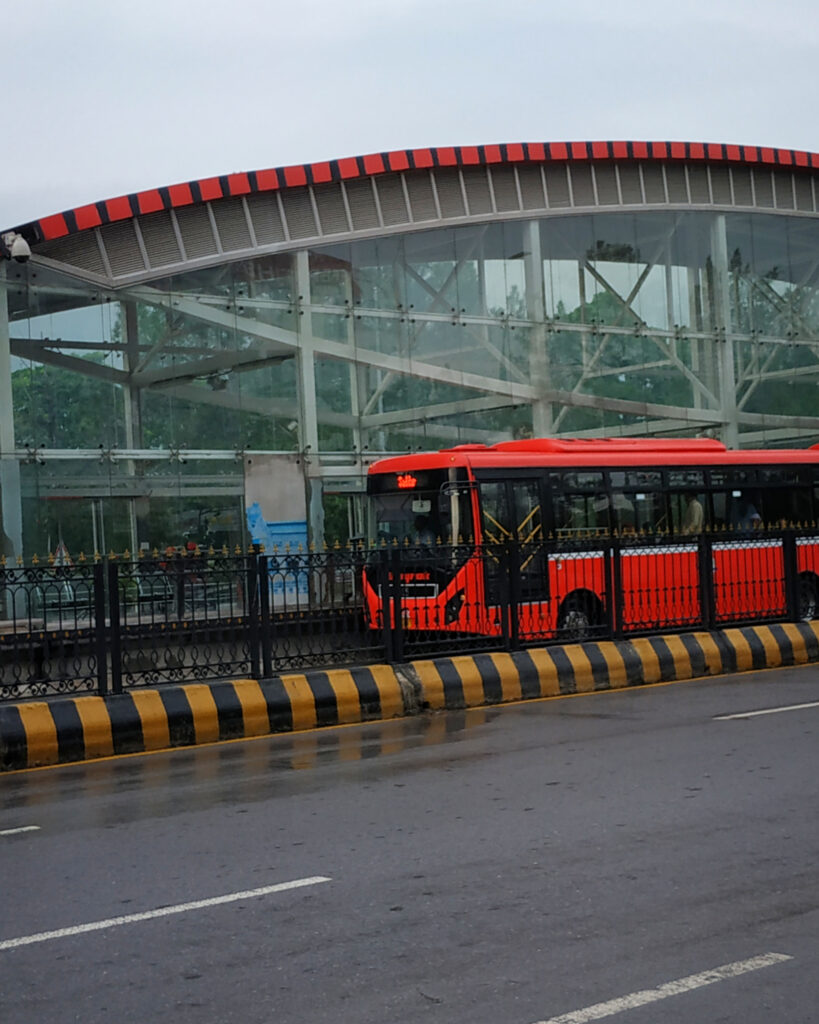
Islamabad and Rawalpindi Face Three Days of Traffic Curbs as Trilateral Defence Talks Begin
Islamabad and Rawalpindi face three days of traffic restrictions starting Thursday evening, 26 November 2026, as Pakistan hosts trilateral defence talks with Saudi Arabia and Turkiye and a Bangladeshi parliamentary delegation visits the capital. Heavy vehicles will be kept out of both cities, the Faizabad terminal will shut, and part of the Metro Bus network will stop running.
The Islamabad Traffic Police advisory covers 26 to 28 November. For commuters, shopkeepers and goods transporters it means three days of detours and lost business, even as the diplomacy it protects matters for the country.
What is closed, and when
Heavy traffic, including cargo vehicles, dumpers and trailers, will be barred from entering Islamabad and Rawalpindi through the Motorway and GT Road from 6pm on Thursday, 26 November, until 12:30am on Saturday, 28 November. The Faizabad Bus Terminal will stay closed for the same period, while Pirwadhai Bus Terminal will keep operating.
Metro Bus and electric bus services between the 7th Avenue station and Pak Secretariat will be suspended from 10pm on Thursday until 12:30am on Saturday. The Red Line will keep running between Saddar station in Rawalpindi and Faiz Ahmed Faiz station in Islamabad, and other Metro and electric bus routes will continue. Hiking Trails 3 and 5 in the Margalla Hills will be closed from 6am to 11pm on Friday, 27 November. Islamabad Police have advised commuters to allow an extra hour and to follow police social media pages for updates.
Why the twin cities are shutting down
Representatives of Pakistan, Saudi Arabia and Turkiye meet in Islamabad on 26 and 27 November for the third meeting of the Makkah Alliance Strategic Political and Defence Committee, to work out how to put the Makkah Joint Defence Agreement into practice. The agreement was signed in August 2026 by Saudi Crown Prince Mohammed bin Salman, Prime Minister Shehbaz Sharif and Turkish President Recep Tayyip Erdogan, and it commits the three countries to treat an armed attack on any one of them as an attack on all three. It builds on the mutual defence pledge Saudi Arabia and Pakistan made in September 2025.
A second delegation is in town at the same time. Bangladesh National Parliament Speaker Hafiz Uddin Ahmad Bir Bikram is leading a six-member parliamentary delegation on an official visit to Pakistan that runs until 28 November.
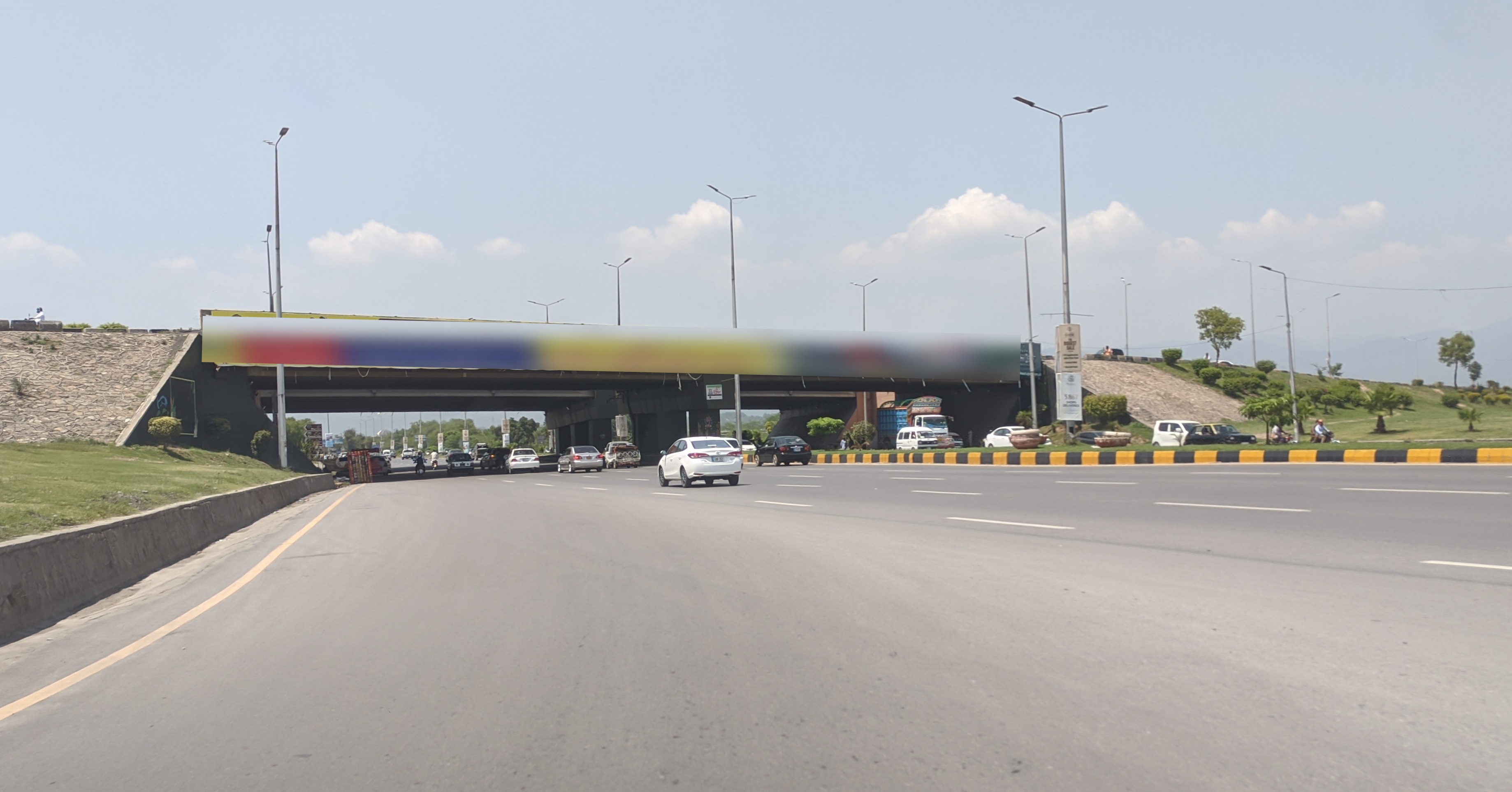
The cost of a shutdown
The security logic is real. Moving foreign delegations through a city of two million people needs clear roads, and a defence pact between three countries shapes the region for years. But the pattern is familiar, and the bill keeps landing on the same people.
For a daily-wage worker in Rawalpindi who rides the Metro to a job in Islamabad, a suspended stretch means a longer, costlier trip, or a lost day of work. For goods transporters, a ban of more than 30 hours on heavy vehicles means deliveries rescheduled and perishable goods at risk. For the bus operators and small traders around Faizabad terminal, three days of closure is three days of lost income.
What commuters can do
The practical advice is simple. Use Pirwadhai terminal instead of Faizabad, use the Saddar to Faiz Ahmed Faiz Metro stretch that keeps running, and check Islamabad Police updates before leaving home. Restrictions end at 12:30am on Saturday, and the trails reopen after 11pm on Friday.
The question is not whether visiting delegations need protection. It is whether the capital can protect them without stopping the life of its own people for three days, a question Islamabad will keep facing while it hosts summits in a city built around VIP routes.
Photo: Islamabad-Rawalpindi Metrobus at Blue Area station. Credit: Ahabbscience Studio Pakistan, via Wikimedia Commons (CC BY-SA 4.0).
Sources: Arab News, APP via UrduPoint, Daily Pakistan, ProPakistani (26 November 2026).