At COP31, Africa Wants Climate Adaptation Money Tripled, and Europe Says Spend What Is Already Promised
African countries at the UN climate summit in Turkey are demanding that funding to help them adapt to a warming world be tripled by 2035. The European Union, one of the largest providers of that finance, is pushing back, arguing that the priority should be making sure money already promised actually reaches the people who need it. As the COP31 summit in Antalya reaches its final day, the gap between the two positions is the negotiation.
The African Group of Negotiators, speaking for 54 countries, wants adaptation finance raised from an annual baseline of $40bn, which it says developed countries committed to provide by 2025, to at least $120bn a year by 2035. The interpretation of that commitment remains contested, and the proposal was not accepted for formal negotiations at the summit, although African delegates have continued to argue for it.
The scale of the need
The scale of the need is not in dispute. According to the UN’s Adaptation Gap Report, sub-Saharan Africa requires about $51bn a year in adaptation finance, while the Middle East and North Africa needs $112bn. Globally, developing countries will need about $300bn a year by 2035, yet in 2024 they received only about a tenth of that amount from developed countries.
Why Europe says no new money
The European Union’s answer is about delivery rather than new pledges. “We haven’t come to the table with additional monies or additional capital. It’s about what we have committed already and ensuring it’s deployed,” Darragh O’Brien, who leads the EU delegation at COP31 on behalf of the Irish presidency of the Council of the EU, told a press conference. European Commission climate commissioner Wopke Hoekstra made the same point: “If you are a vulnerable nation in the Pacific or one of the LDCs (Least Developed Countries) and the money is in the bank but does not land on the ground then it is effectively meaningless.”

Why the money is not arriving
Part of the EU’s case rests on paperwork. Uganda and Malawi, two countries suffering badly from climate change, are among 23 African countries yet to submit National Adaptation Plans to the UN climate convention secretariat. These plans detail how climate change has affected a country and the risks it faces, and without them experts say it becomes difficult to secure funding.
But the missing plans are themselves a symptom of the problem. “If you look closely, the countries that are yet to submit their NAPs are already dealing with multiple crises, including debt distress, economic pressures and other issues,” said David Abudho, climate justice lead at the aid agency Oxfam. African negotiators accept that plans help countries prioritise investments, but argue their absence should not be used to deny financial support.
The human cost of waiting
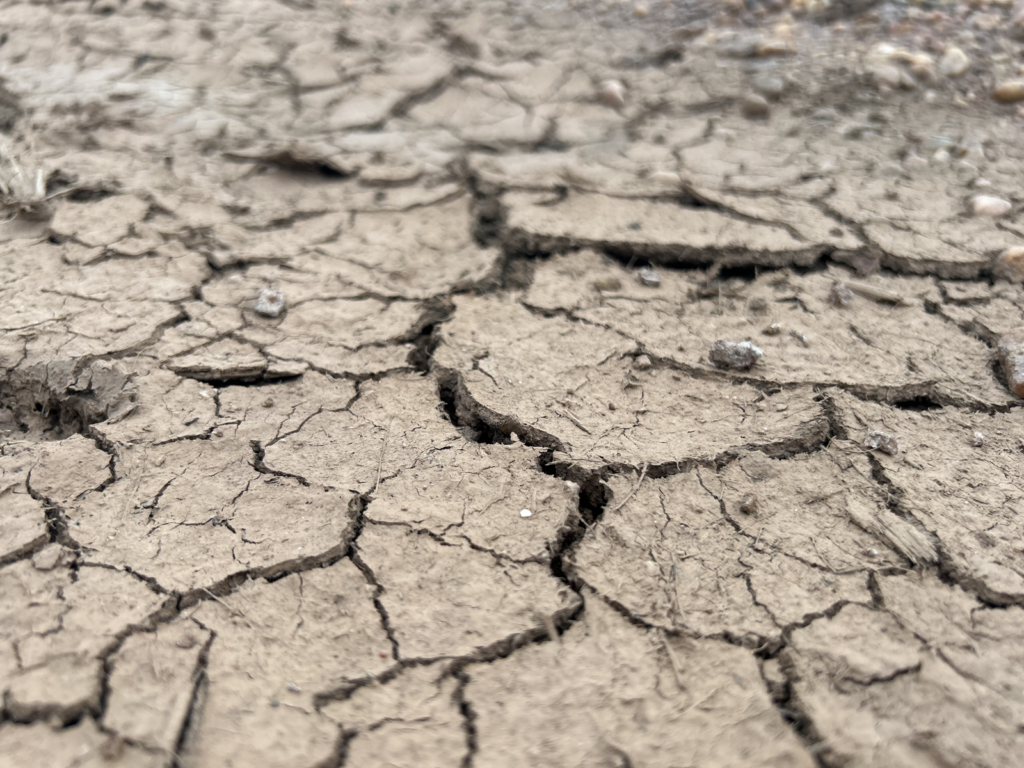
Behind the numbers are people already living with the consequences. In Uganda’s northern Karamoja region, farmer Elijah Lobur and his family now eat just one meal a day after a severe drought that began in April destroyed crops. Local officials say more than 90% of crops have failed in the region, where farming depends on rain. “Seven months without rain has brought us to this point where we now live in hunger,” he told the BBC.
What happens next
The summit is scheduled to end today, although talks could extend into the weekend. New commitments to the Adaptation Fund, the only international climate fund dedicated solely to developing countries’ adaptation projects, stood at just $50.2m eleven days into the summit, about one-sixth of its $300m annual target. The United States, United Kingdom, Canada, France and Italy have made no new funding commitments.
Sources: BBC, The Nation