Security Forces Kill 22 Militants in South Waziristan, Bannu and Tank Operations
Security forces killed 22 militants in three separate engagements across Khyber Pakhtunkhwa this week, the military said on Thursday, in the latest round of an intelligence-led campaign against groups the state blames for a wave of attacks in the province.
The operations took place on 16 and 17 November, according to a statement from the Inter-Services Public Relations, the military’s media wing. They are the latest in a steady stream of such announcements from the province, where the security situation has remained the country’s most pressing for much of the year.
What happened in the three operations
In South Waziristan, troops acting on reports of militant presence launched an intelligence-based operation and killed 15 men described as belonging to Fitna-al-Khawarij, the term the state uses for fighters of the banned Tehreek-i-Taliban Pakistan, which it says is backed by India. In Bannu, two separate encounters with militant hideouts left six dead. A further militant was killed in an encounter in Tank district. Weapons and ammunition were recovered from the dead, and the statement said sanitisation operations were under way to clear any remaining militants from the areas.
The ISPR said the campaign is being carried out under Azm-e-Istehkam, the counterterrorism vision approved by the Federal Apex Committee on National Action Plan, and that it would continue at full pace to wipe out what it called foreign-sponsored terrorism.

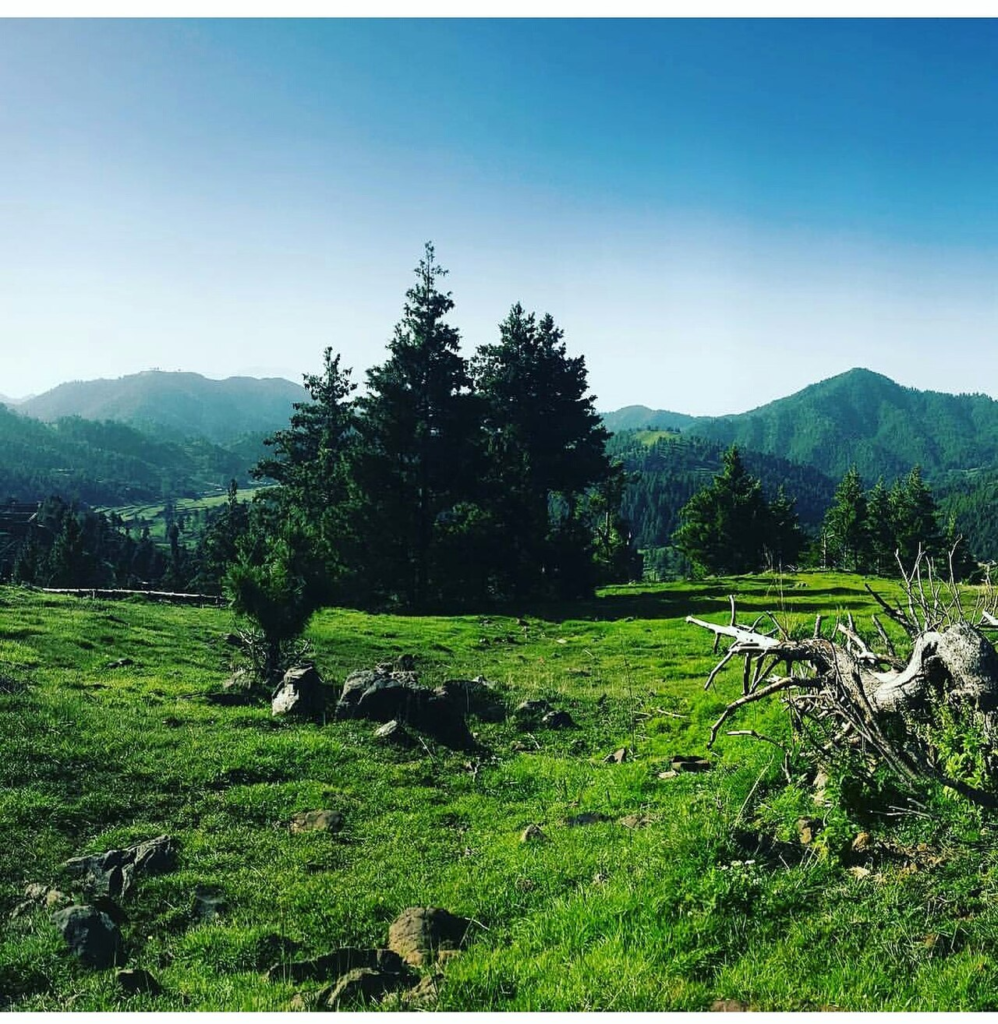
Pir Ghar, Baddar, South Waziristan. Photo: Sufyan Ali Mahsud, CC BY-SA 4.0, via Wikimedia Commons.
Why this belt keeps producing operations
South Waziristan, Bannu and Tank sit along the province’s western belt, close to the Afghan border, where militant groups have long found shelter and routes. Khyber Pakhtunkhwa has been the worst-affected province in the current wave of violence: a Centre for Research and Security Studies report found that KP and Balochistan remained the country’s main hotspots for violence during the second quarter of 2026, with KP the worst hit of all. That geography is why operations there are frequent, and why they rarely make the front page on their own. They are part of a standing campaign rather than a single event, and the public hears about them in short statements, district by district.
The campaign behind the numbers
The language in the ISPR statement signals continuity rather than a new offensive: intelligence-based operations, followed by sanitisation sweeps, repeated across the same districts. The question that follows every such announcement is the same, whether the tempo of operations is reducing the groups’ ability to strike, or only pushing them to regroup elsewhere. The numbers in a single statement cannot answer that. The trend over months can, and that is the measure by which this campaign will ultimately be judged. For now, the military’s message is that the pace will not slow.
What happens next
Sanitisation operations continue in the three districts, and more statements of this kind are likely in the coming weeks. For residents of the affected areas, the practical test is whether roads reopen, markets function and attacks fall. The military says the campaign will continue at full pace. The measure of success, as ever, will be written in the months that follow, not in a single day’s count.
Sources: Dawn, Geo News, The Express Tribune, The News