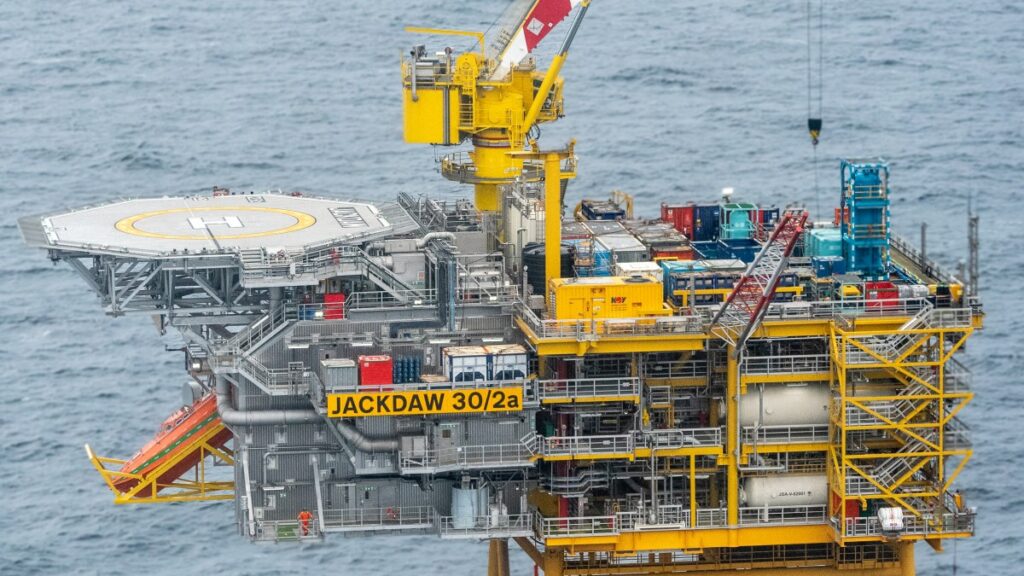
UK greenlights Jackdaw gasfield development in the North Sea
The British government has given the go‑ahead to a new natural‑gas project off Scotland’s coast, a move that the Labour administration says balances its climate ambitions with the need for energy security. Energy Minister Miatta Fahnbulleh announced on Wednesday that the Jackdaw gasfield is set to start delivering gas to UK households by the end of the month, bolstering the nation’s energy supply.
According to officials, the North Sea development could lift domestic gas output by roughly six percent at its peak. Prime Minister Andy Burnham said the approval would safeguard hundreds of jobs and keep millions of homes warm, while stressing that it would not undermine the government’s renewable‑energy targets.
In tandem with the project approval, the government unveiled a New Energy Wealth Fund aimed at financing renewable and low‑carbon initiatives as part of the green transition. The fund will start with £2 billion (about $2.7 billion) and is expected to attract additional capital from taxes on North Sea oil and gas production.
Rising energy costs linked to the Russia‑Ukraine conflict and the United States‑Israel confrontation with Iran have strained households and businesses, weighing on the British economy. Fahnbulleh told LBC radio that the Jackdaw development was not intended to lower consumer bills. “It’s important we’re honest about this,” she said. “That was not a consideration in the decision because it won’t mean cheaper bills. This was about energy security.”
The decision has drawn sharp criticism from left‑wing politicians and environmental advocates. Green Party leader Zack Polanski branded the move “climate vandalism,” calling it a “pragmatic decision” that would do nothing for bills while enriching oil and gas firms and pushing the country further toward floods and wildfires. Greenpeace echoed the sentiment, saying the approval reveals the “toxic grip” fossil‑fuel lobbyists still have on UK energy policy. Ami McCarthy, head of politics at Greenpeace UK, argued that genuine pragmatism means cutting reliance on costly oil and gas that burdens households, fuels extreme weather, and leaves energy security at the mercy of petrostates.