US Probes Suspected Iranian Cyberattacks on 50 Ships as Treasury Hits Tehran’s Shadow Banks
Washington opened two new fronts against Tehran on Monday: an investigation into suspected Iranian cyberattacks on as many as 50 commercial ships, and a sweeping sanctions package against the shadow banking network that keeps Iran’s foreign trade alive. The strategy is shifting from bombs to bandwidth and bank accounts.
A new front at sea
The Wall Street Journal reported on Monday, citing US officials, that the United States is examining whether Iran is behind cyberattacks on up to 50 commercial vessels carrying oil, liquefied petroleum gas, chemicals and other hazardous cargo near the United States, Europe and Asia. Iran is described as the primary suspect, with Russia also under consideration. Investigators have not established Iranian responsibility. The attackers reportedly exploited vulnerabilities in Fortinet routers, widely used in shipping.
The stakes are different from a missile strike. A hacked tanker carrying explosive cargo is a floating hazard, and insurance, rerouting and delay costs are already rising around the Strait of Hormuz, where Iranian state media reported on Monday that three tankers caught fire after striking sea mines. The cyber probe widens the confrontation into a domain where attribution is slow and deniable. A wrong accusation could escalate a crisis, while a right one that cannot be proved may go unanswered.
The money war
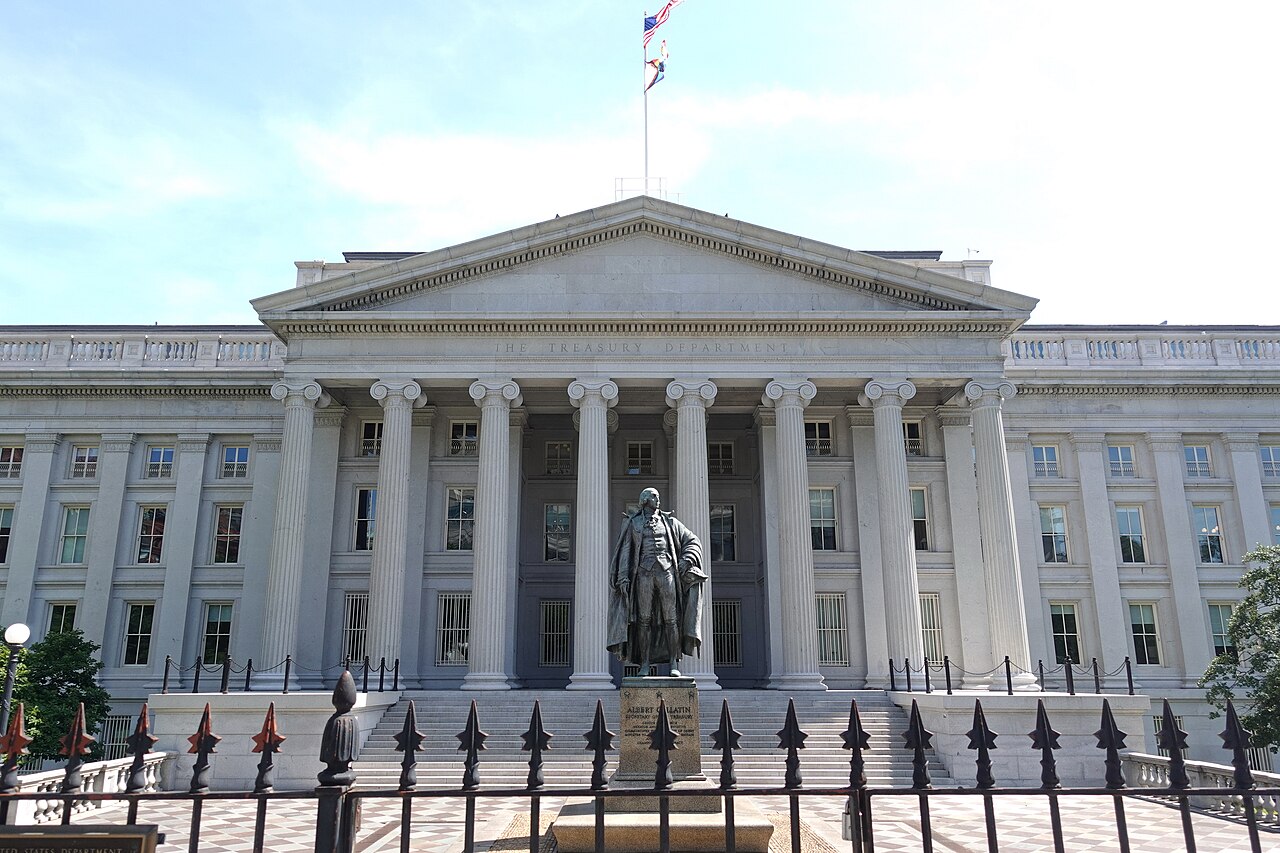
On the same day, the Treasury Department announced sanctions on more than two dozen Iranian exchange houses, front companies and key personnel, in an action it calls Operation Economic Outcast. Its Financial Crimes Enforcement Network identified about 14.7 billion dollars of activity between January 2025 and August 2026 potentially linked to Iranian shadow banking. Treasury says the network is overseen by the Central Bank of Iran and relies on dozens of exchange houses and so-called “rahbar companies”, bank affiliates that run sanctions evasion networks. The designated firms stretch across Iran, Dubai, Hong Kong and Turkey.
Treasury Secretary Scott Bessent was blunt. “Iran’s economy is underwater, and its leaders are panicking,” he said, calling the shadow banking system “the last financial lifeline of a bankrupt regime” and vowing to keep dismantling the networks “until we have buried the head of the snake.” The FinCEN analysis adds a note of caution: the volume of suspected shadow banking activity fell between January and August, which it said “may be indicative of at least partial disruption”. The squeeze may be working, but the networks are still connected.
Diplomacy is not dead yet
Meanwhile, Qatar is working the other side of the problem. Its prime minister, Sheikh Mohammed bin Abdulrahman Al Thani, met Secretary of State Marco Rubio in Washington on Monday, as Qatar steps up efforts to revive negotiations, warning that the region cannot afford another escalation. Qatar talks to Tehran while hosting major American military facilities, which makes it a plausible channel when direct contact is frozen. Squeeze first, negotiate from strength. Two days ago, President Donald Trump said he wanted a “permanent” deal with Iran. Monday’s announcements show what the leverage for that deal looks like.
What happens next
Three things will show where this goes: whether investigators publicly attribute the ship attacks, and what evidence they show; whether shipping insurers change routes or raise rates around the Gulf; and whether the new sanctions shrink the shadow banking flow, or push it through new front companies. For now, markets are not panicking: Brent was around 88 dollars a barrel and WTI near 79 on Tuesday, a three-month low. The confrontation is no longer only about missiles and mines. It is about routers and exchange houses, and that makes it harder to see, harder to attribute, and harder to end.
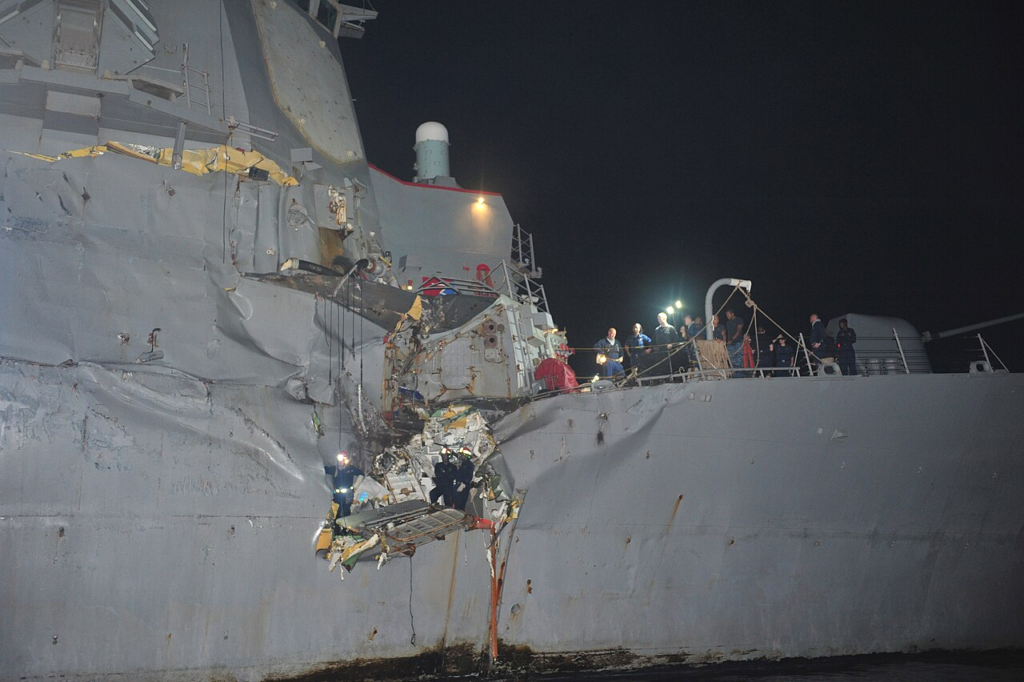
Featured image: The guided-missile destroyer USS Porter after a collision with the oil tanker M/V Otowasan in the Strait of Hormuz in 2012. The strait remains the centre of the US-Iran maritime confrontation. Photo: Jonathan Sunderman / U.S. Navy (CC BY 2.0, via Wikimedia Commons).
Sources: Reuters (https://www.reuters.com/business/finance/us-imposes-sanctions-dozens-linked-irans-shadow-banking-networks-2026-11-23/); The Wall Street Journal, via Gulf News (https://gulfnews.com/world/mena/middle-east-conflict-us-investigates-iran-over-cyberattacks-on-50-ships-as-fresh-sanctions-target-irans-shadow-banking-network-1.500758688)