
Philippines sees solar surge as Iran conflict drives up energy prices
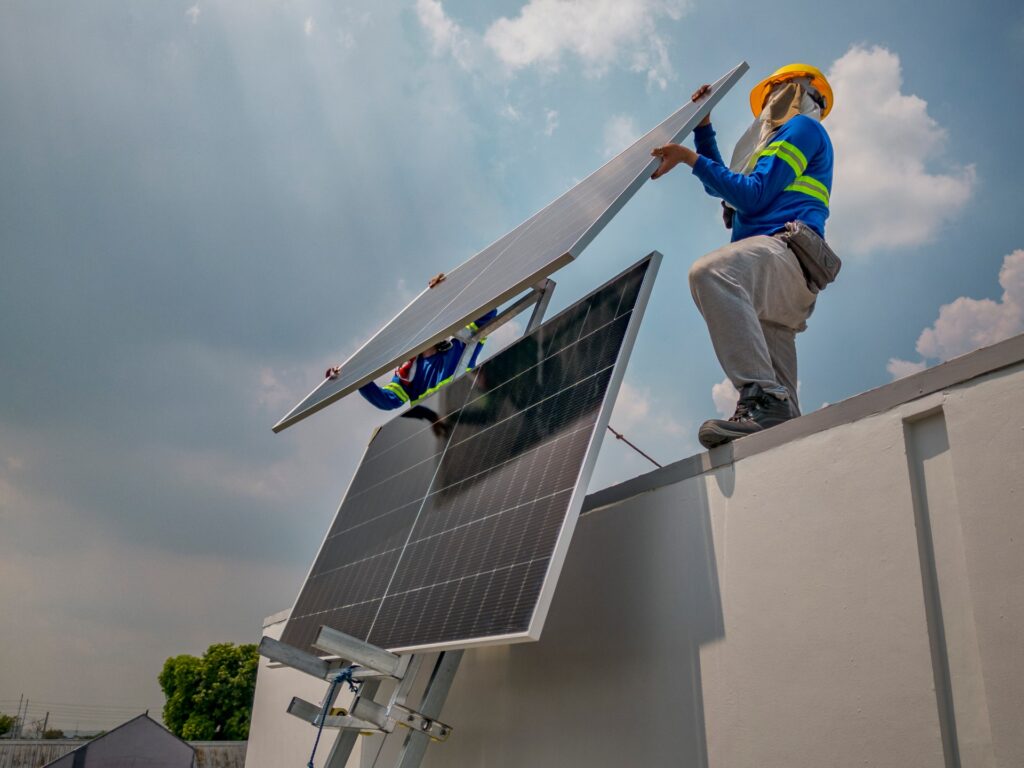
Keith Cantera had long considered installing a solar power system for his home, but the $5,000 price tag for panels kept the idea on hold. That changed after the United States and Israel entered a war with Iran, sending global electricity prices soaring. Before the conflict began in late February, Cantera’s family paid roughly $150 a month for electricity; by the spring their bill had risen to about $220. Eight months later they are having solar panels fitted to their roof. “The cost is about the same as paying our electric bills for three or four years based on the current rate,” Cantera said. “But in the fifth year, we’ll have recovered our investment, and electricity will essentially be free.”
Cantera is joining a growing number of Filipino homeowners turning to solar in a nation that already had the highest electricity costs in Southeast Asia, comparable only to Singapore, where average incomes are more than ten times higher. A study by the energy think‑tank Ember found that rooftop solar installations have almost doubled in the Philippines since early 2025. From March to May, the first months of the war, the country imported $407 million worth of panels, according to trade data that show China as the main source. During that period the Philippines became the largest overseas market for Chinese panels, second only to the Netherlands, which mainly re‑exports them to the rest of Europe.
Lexus Grepo, chief executive of solar supplier Solarmaxx, confirms the boom. “There is a 30‑day wait because solar panel shipments can’t keep up,” he explained. “In March we had 40 projects, which was almost triple our monthly clientele. Since then we have been setting up 25 to 30 systems a month.” Grepo does not expect demand to slow even if Middle‑East tensions ease and energy shipping routes reopen. “I think people now realise that the world is an unpredictable place, so they have to be ready for any eventuality. Filipinos now see that they don’t necessarily have to be at the mercy of the global energy market,” he said.
The Philippines relies on imported coal and gas for more than 70 percent of its power mix and does not subsidise electricity. A weakening peso, which has fallen to a record low of more than 63 to the US dollar, has made those imports even more expensive. In late March President Ferdinand Marcos Jr declared a national energy emergency, citing the war and what he called an “imminent danger” to the country’s energy supply. Electricity rates have continued to climb, and many consumers are also angry at utility companies that charge for “system losses,” a term that includes illegal connections. “Who would agree to paying for something that you did not use? It’s not like the money we spend for electricity just fell from heaven,” Cantera added.
Although demand for solar is surging, the upfront cost remains out of reach for most households. In March the government launched a loan program for residential rooftop installations, but eligibility is limited to public‑sector workers. Officials hope that dozens of renewable‑energy projects under development will eventually lower power prices for the wider population. One such project is a 3,500‑hectare solar farm north of Manila, slated to become the world’s largest when completed, with a capacity of 850 megawatts that could serve 2.4 million homes.
Some consumers remain skeptical that large‑scale projects will be finished quickly enough to curb rising bills. “It’s just so unpredictable nowadays. You have the impending El Niño weather pattern. There’s still war, the continuing fuel price hikes and so much more,” Cantera said. “So why not utilise a natural resource?”