
Luxury Brands Light Up Diwali Celebrations Worldwide
Diwali has become a key date on the luxury calendar, giving brands a chance to reach Indian shoppers and tap into the festival’s expanding commercial appeal. While marketers have already mastered Ramadan and Lunar New Year, the Hindu festival of lights is still evolving as a global marketing moment.
The festival, whose name comes from the Sanskrit term for “row of lights,” follows the lunar calendar and runs for five days. It begins with Dhanteras, a day traditionally associated with buying gold and jewelry, and ends with Bhai Dooj. This year’s main day, Lakshmi Puja, falls on November 8. Hindus, Jains and Sikhs celebrate Diwali, though customs vary across regions.
For luxury houses, Diwali is more than a decorative occasion; it is a time when gifting, jewelry and new purchases carry cultural weight. India ranks among the five fastest‑growing luxury markets in the world, with a sector valued at roughly $12 billion according to Euromonitor International’s 2025 research. The country’s large diaspora further expands the pool of affluent consumers both at home and abroad.
India is witnessing an especially busy Diwali season for brands. Ferragamo unveiled its first India‑specific Diwali capsule, Michael Kors hosted its fourth Diwali party in two cities, Valentino marked its third Diwali in the country, and Bvlgari launched its inaugural global Diwali campaign with an evening event in Jaipur.
Beyond India’s borders, celebrations are also taking shape. In New York, designer Sabyasachi held a Diwali reception at the Metropolitan Museum of Art on October 21, while Cartier repeated its annual Diwali gathering at its Fifth Avenue mansion. Entrepreneur and influencer Anjula Acharia’s All That Glitters ball has become a staple of the city’s festive calendar. In London, the UK‑India Creative Circle staged its yearly Diwali party at the Royal Automobile Club, an event now regarded as essential for the British‑Indian creative community. Although brands such as Jimmy Choo and Cartier held Diwali events in London last year, international luxury houses appear less prominent in this year’s programme, and Dubai—home to a sizable wealthy Indian community—has seen little activity.
The festival’s momentum could wane without a coordinated strategy, risking a series of isolated events rather than a unified cultural and commercial opportunity.
“What works in India is that shoppers buy by occasion, not by season,” explains Sumeet Yadav, head of Reliance Brands Limited. “Diwali is the biggest occasion of all: the moment when buying something new feels auspicious rather than indulgent, and many purchases become gifts.” He adds that the lead‑up to Diwali occupies the most important quarter of the year for his company.
Not every activation hits the mark, however. Mumbai tastemaker Jaya Raheja, a key luxury client, observes that “Diwali events in India have increased, with all international brands now wanting to give clients a festive experience.” She selects only those that feel unique, such as Bvlgari’s, and advises against cramming activities into the final two weeks before the festival. “A build‑up toward Diwali and a festive month is far more exciting,” she says.
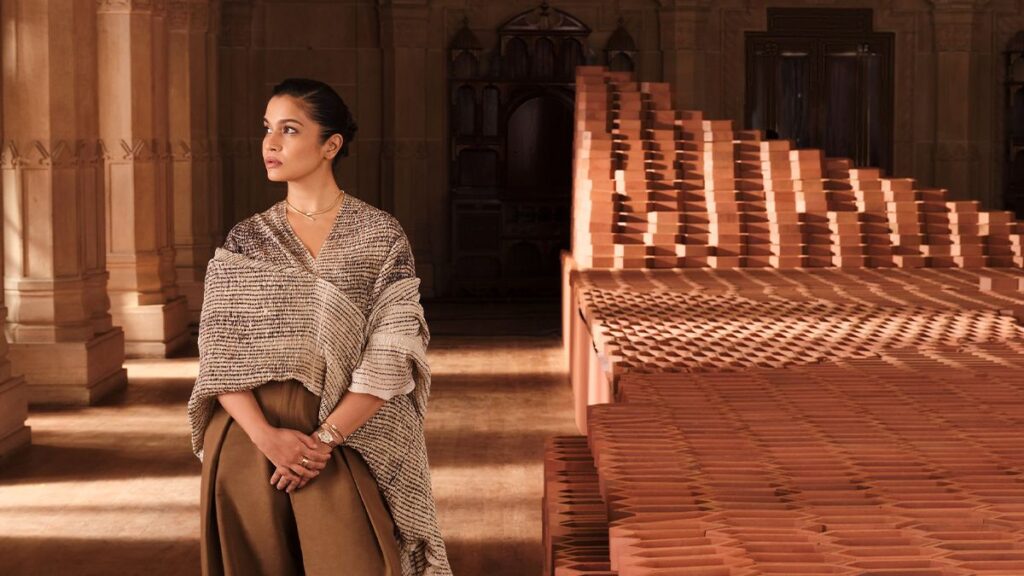
Bvlgari’s “Passing the Light” campaign, the brand’s first global Diwali effort, centres on an installation by artist Doyel Joshi. The piece uses 4,500 terracotta elements fashioned into Bvlgari’s Serpenti motif in partnership with the Kumhar community of potters. Unveiled at the Jaipur Center for Art on October 11, the work employs light as a metaphor for traditions passing between generations. By placing Indian creatives at the heart of the project and extending the concept into digital and retail experiences across Bvlgari’s worldwide stores, the campaign feels cohesive and authentic.
For Yadav, meaning separates a successful event from a missed one. “Bring the house to the festival, not the festival to the house,” he advises. Simply adding diyas and marigolds to a global campaign, he warns, “isn’t a Diwali strategy; Indian clients see through it instantly.”
From Reliance Brands’ portfolio, Yadav highlights Ferragamo’s India‑only Diwali capsule, Valentino’s third India‑focused Diwali line featuring a bag crafted by local artisans, and Michael Kors’ fourth Diwali party, which he describes as “no longer a campaign; it’s a tradition.” Premium luggage maker Tumi continues its annual Diwali windows and gifting programme in India, now expanding the initiative to the Middle East and Southeast Asia.
Yadav believes global brands are beginning to view India not just as a market to sell into, but as a source of ideas that can shape worldwide consumer trends. “Cultural relevance is essential to earning sustained growth and real brand love in India,” he says.
In New York, the diaspora has long shaped Diwali celebrations, with luxury houses only now joining the fray. Anjula Acharia, founder and CEO of A‑Series Investments and Management, started the All That Glitters ball about 15 years ago, creating a signature event that blends Indian tradition with high‑end hospitality.