Lahore Tops World’s Pollution Ranking Again as AQI Hits 538
LAHORE: Lahore once again topped the list of the world’s most polluted major cities on Sunday morning, with Swiss monitoring platform IQAir putting its air quality index (AQI) at 538 between 9am and 10am, a reading classed as hazardous and carrying serious health risks for residents. It was the second day in a row the city led the global ranking, and the reading was more than double that of second placed Delhi, which recorded 207.
How bad the air got
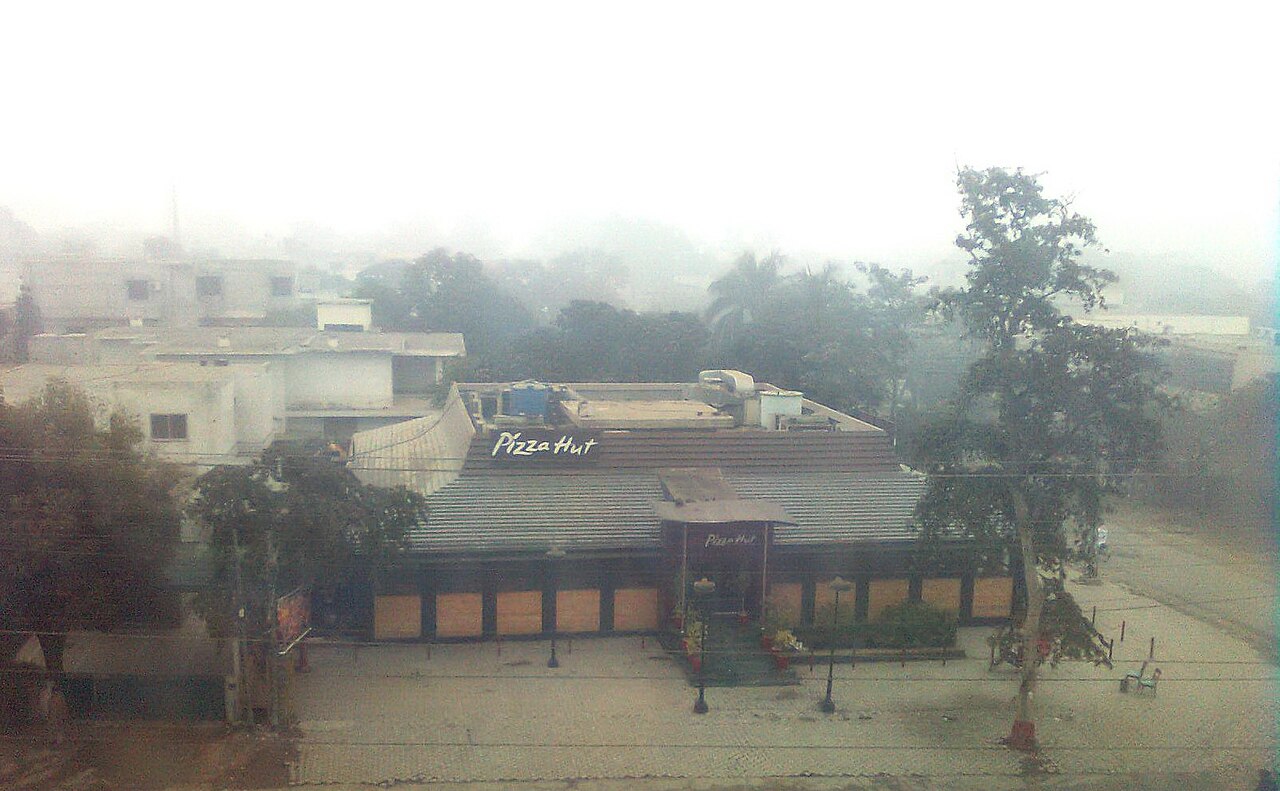
The Sunday morning spike was not a one off. Lahore had already recorded 465 between 7am and 8am on Friday, and 266 on Saturday evening, which still kept the city in the hazardous band. The pollution spread far beyond the provincial capital. IQAir’s domestic ranking placed eight Punjab cities among Pakistan’s ten most polluted urban centres. Kahna Nau in Lahore district recorded the worst air in the country at 606, followed by Lahore at 538, Bahawalpur at 536, Sargodha at 392 and Gujranwala at 347. Karachi, by contrast, stood at 180, with Mumbai at 177 and Cairo at 162. Severe fog added to the misery, forcing motorway closures at several points in Punjab and Khyber Pakhtunkhwa.
Why it keeps happening every winter
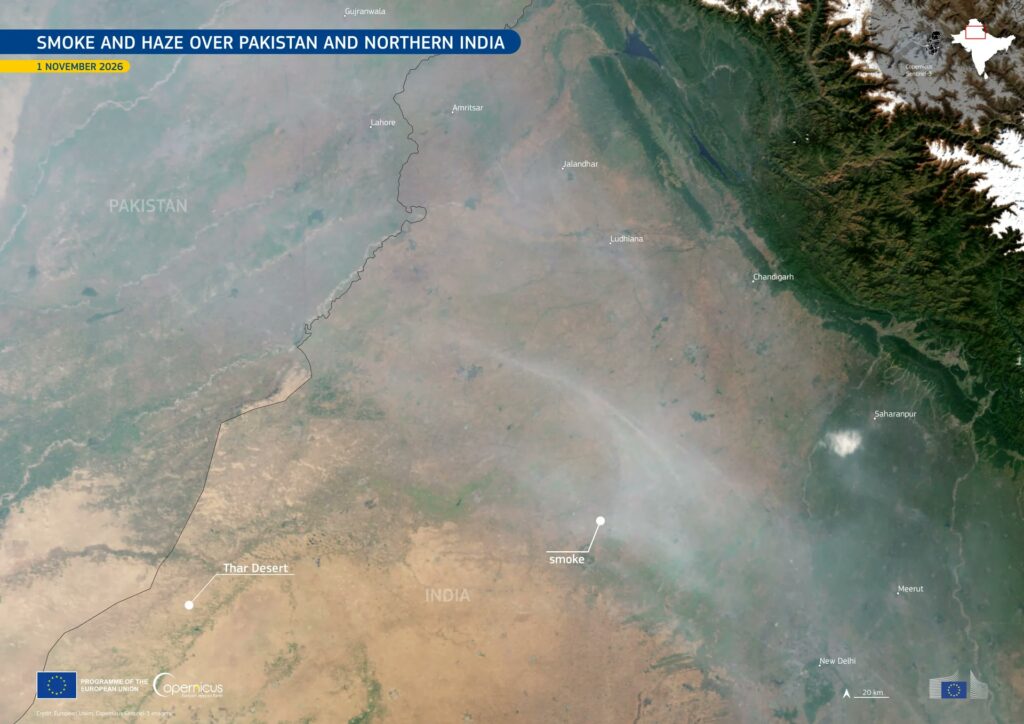
Lahore’s smog season follows a familiar pattern. Cold, still winter air traps smoke close to the ground, while vehicle exhaust, brick kilns, crop residue burning and industrial emissions keep adding to it. Earlier this month Pakistan blamed part of the deterioration on toxic smog drifting across the border from India, where firecrackers during Diwali blanketed much of the north. Pakistan’s space agency Suparco had warned on 19 November that smog would worsen across Punjab over the next three days, and the weekend readings show that forecast playing out almost exactly.
What the crackdown has done so far
Punjab’s Environment Protection and Climate Change Department says it has stepped up enforcement through the peak smog period. Between 1 September and 18 November it carried out 29,999 inspections, demolished 519 kilns, sealed 494 and registered 408 first information reports, alongside fines worth Rs101.45 million. Lahore’s traffic police also challaned 14,653 smoke emitting vehicles, according to the city’s chief traffic officer. Punjab Senior Minister Marriyum Aurangzeb, however, has questioned whether IQAir displays updated data in real time. The readings, though, have climbed through the week, not fallen.
What it means for people breathing it
An AQI above 300 falls in the hazardous category, which means serious health risks from exposure, and Lahore spent Sunday morning far above that line. The National Institute of Health has issued three winter health advisories covering flu, smog and vaccination. For residents, the practical advice stays the same each winter: limit outdoor activity when the air looks thick, wear a mask outside, keep windows closed in the early morning, and take extra care with children, older people and anyone with asthma or heart trouble.
What to watch next
Three things will decide how this winter plays out. First, whether wind or rain clears the air in the coming days, or whether the still, cold pattern holds and readings stay above 500. Second, whether the enforcement drive widens from kilns and vehicles to the other sources that feed the smog, including crop burning and industrial emissions. And third, whether the province’s anti smog measures show up in the readings themselves, rather than only in inspection counts and fines.
Featured image: Smoke and haze over Pakistan and northern India, 2 November 2026. European Union, Copernicus Sentinel-3 imagery.
Sources: Dawn, Geo News, Business Recorder, The Express Tribune, Dialogue Pakistan, 22-23 November 2026.