Lahore Tops World Pollution Ranking Again as AQI Crosses 500 and Smog Grips Punjab
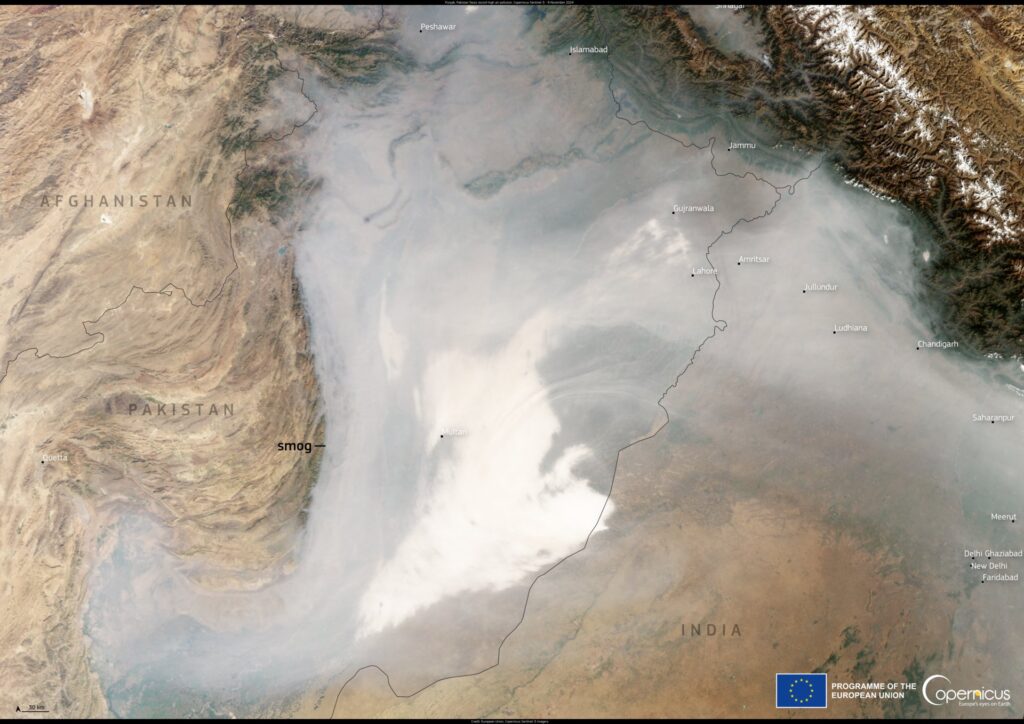
LAHORE: Lahore once again topped the list of the world’s most polluted major cities on Sunday, with its air quality index (AQI) crossing 500 and staying in the hazardous range through the morning. Swiss monitoring platform IQAir placed the city first with a reading of 538 between 9am and 10am, more than twice the level of Delhi, which ranked second at 207. Karachi followed at 180, Mumbai at 177 and Cairo at 162. The toxic haze has now gripped Punjab for days, and the Meteorological Department says there is no rain in sight to wash it away.
Neighbourhood readings tell the real story
The citywide average hides far worse pockets. Gulberg II recorded an AQI of 920 on Sunday, Allama Iqbal Town 700, while Askari 10 stood at 275. Kahna Nau in Lahore district topped the national list at 606. The smog is not limited to the provincial capital either. Bahawalpur recorded 525, Gujranwala 435, Faisalabad 415, Sargodha 404 and Multan 274, putting eight Punjab cities among the ten most polluted urban centres in the country. Lahore had already recorded 465 on Friday morning and 266 on Saturday evening, so Sunday’s spike was the third bad day in a row, not a one-off.
Health warnings grow as hospitals feel the strain
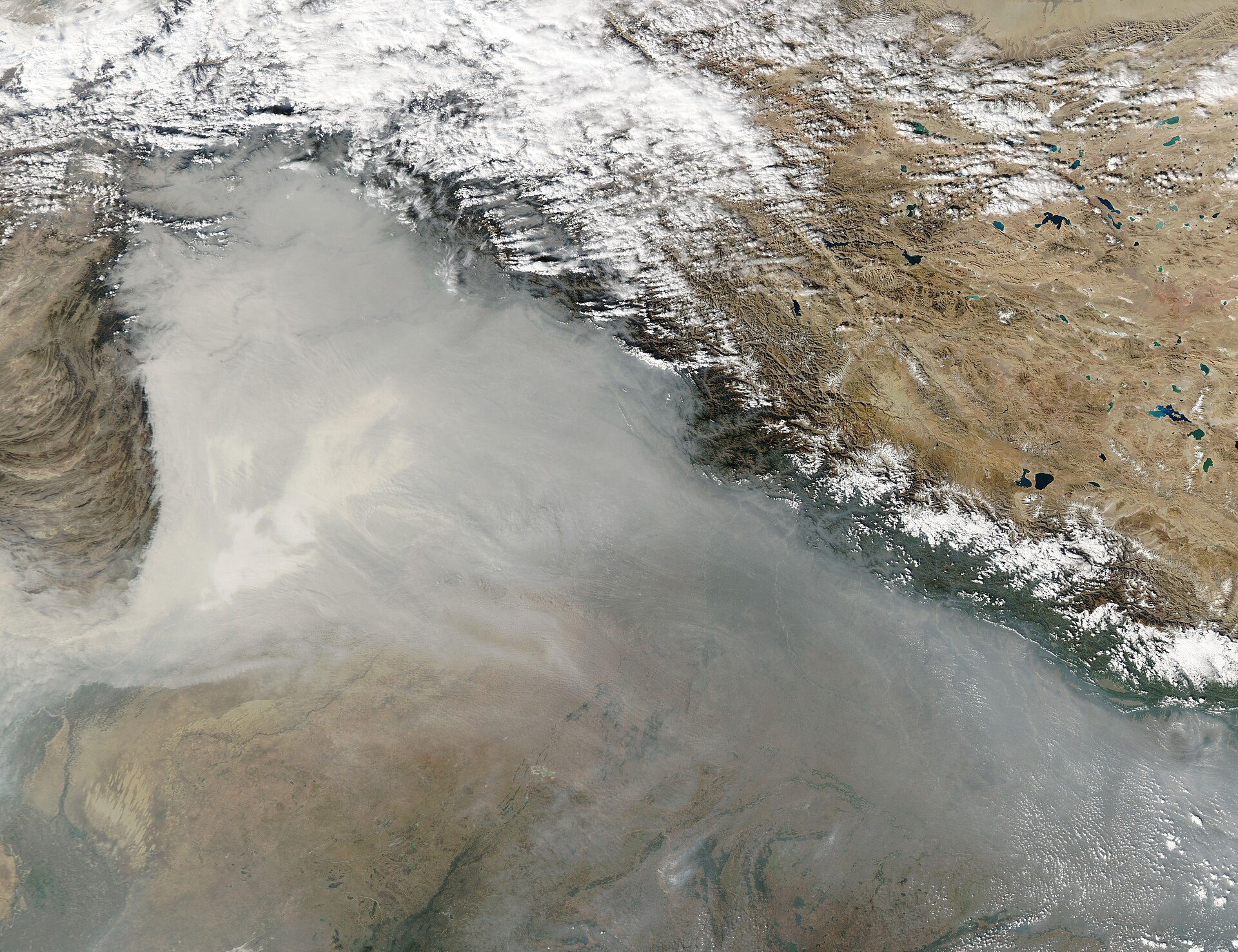
The National Institute of Health has warned of rising infectious, respiratory and cardiovascular disease as the smog drags on, and residents across Punjab are reporting throat irritation, breathing difficulty and itchy eyes. Visibility has dropped sharply on the roads, and the Met Office says dry weather and low wind speeds will keep conditions unchanged in the coming days. A long-term assessment of Pakistan’s air pollution puts the scale of the problem in stark terms: Lahore’s annual average PM2.5 concentration exceeds 110 micrograms per cubic metre, more than 22 times the World Health Organization’s annual guideline of five, and long-term exposure can cut life expectancy by up to seven years.
Drought alert adds to the pressure
The Pakistan Meteorological Department has also issued a drought alert for Sindh, Balochistan and southern Punjab after five months of below-normal rainfall, from July to 20 November. The monsoon shortfall is the main cause, and the Met Office warns that below-normal winter rain could deepen the drought. For Lahore, the dry spell matters twice over: without rain or strong winds, there is nothing to clear the smog, and the same weather pattern that dries the fields keeps the pollution hanging over the cities.
Crackdown continues, but the debate over data grows
Punjab’s Environment Protection and Climate Change Department says it has intensified its province-wide crackdown, imposing fines of Rs449.5 million, sealing 6,476 premises and carrying out 1,808 demolitions in the first eleven months of 2026. Meanwhile, Punjab Senior Minister Marriyum Aurangzeb has questioned whether IQAir’s live rankings update in real time, raising doubts about the accuracy of its readings. Earlier this month she linked the worsening smog to large-scale fireworks during Diwali celebrations in India. The argument over the numbers, however, does not change what people in Lahore are breathing: for a third straight winter, the city that tops the world pollution ranking is doing so by a wide margin, and the forecast offers no relief.
Featured image: Record smog over Punjab, Pakistan, seen by Copernicus Sentinel-3, 16 November 2024. Photo: European Union, Copernicus Sentinel-3 imagery.
Sources: Dawn, Geo News, The Nation, Pakistan Today, 22-23 November 2026.