
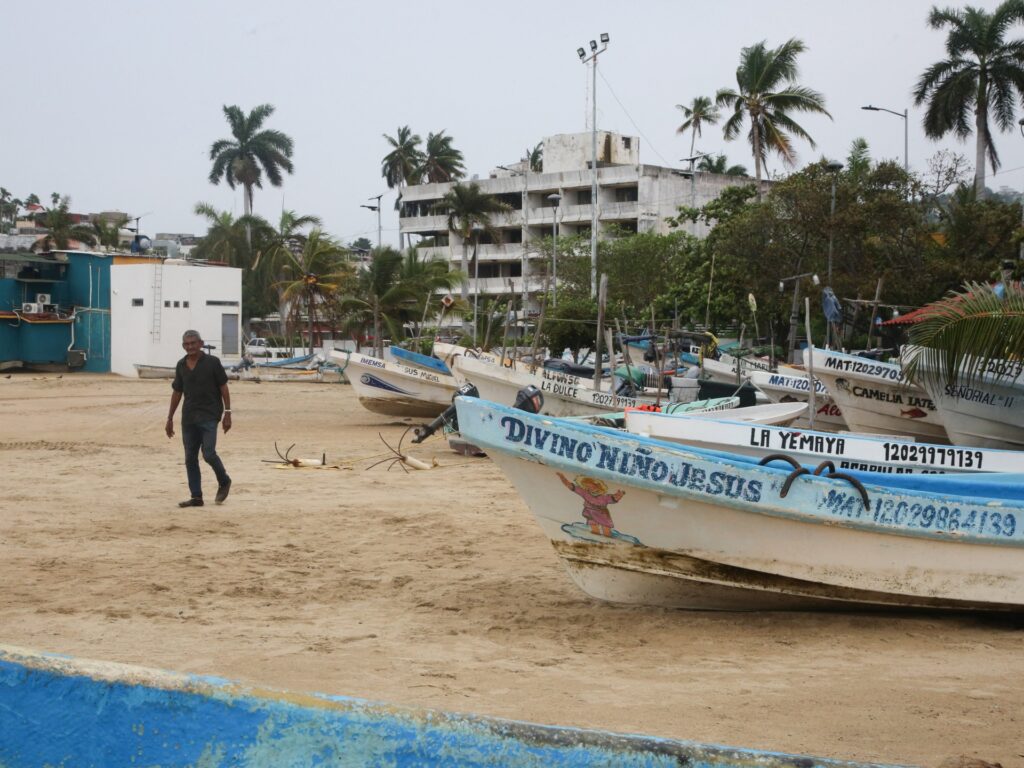
Hurricane Trudy heads toward Mexico’s Pacific coast, bringing heavy rain
The storm kept its intensity as it moved toward the western shoreline of Mexico on Saturday, and meteorologists warned it could gain strength before beginning to weaken on Sunday. A hurricane warning stretches from Manzanillo in the state of Colima to Cabo Corrientes in Jalisco.
The U.S. National Hurricane Center reported that early Saturday Trudy was about 305 kilometres (190 miles) south‑southeast of Manzanillo, with maximum sustained winds of 150 kilometres per hour (90 mph). The system was moving at roughly 13 kilometres per hour (8 mph) and was expected to reach southwestern and west‑central Mexico later that day, then pass near the coast overnight into Sunday.
According to the NHC, hurricane‑strength conditions are likely in the warned area Saturday night, while tropical‑storm conditions should dominate during the day. Areas under a hurricane watch could also experience hurricane‑strength weather.
Trudy is projected to dump 10 to 20 centimetres (four to eight inches) of rain across parts of Michoacán, Colima and Jalisco over the weekend, with isolated amounts reaching about 38 centimetres (15 inches). Such rainfall raises the threat of life‑threatening flooding and landslides, especially on steep terrain. Outer rain bands may bring two to four inches of rain, with isolated totals of roughly 15 centimetres (six inches), in Guerrero and Nayarit, where flash flooding is possible.
The centre also warned of potential coastal flooding from storm surge in locations exposed to onshore winds, accompanied by large, destructive waves. Swells generated by Trudy were already affecting parts of Mexico’s southwestern coast and are expected to move northward toward the west‑central coast through the weekend, creating hazardous surf and strong rip currents.
The Mexican navy urged mariners and coastal residents to exercise extreme caution because of high waves, heavy rain and the risk of rising river levels, flooding and landslides in vulnerable zones. While the state of Colima says the current risk level is low, officials note that the storm could bring significant rainfall that may cause damage on ground already saturated by a series of recent Pacific storms.