Government, JI Complete Talks on Petroleum Relief Package as Final Decision Awaits PM Meeting
ISLAMABAD: Jamaat-e-Islami (JI) and the federal government have completed negotiations on a petroleum relief package at the technical committee level, with draft proposals finalised and the final decision now resting on a meeting between Prime Minister Shehbaz Sharif and JI Emir Hafiz Naeemur Rehman, expected on November 24 or 25.
JI Naib Emir Liaqat Baloch, who heads the party’s negotiating committee, announced the conclusion of the talks on Thursday after meeting a government delegation led by Deputy Prime Minister Ishaq Dar. He said the government had prepared a plan for a gradual reduction in the petroleum levy, and the package would be announced once the prime minister and the JI chief meet.
What the package would cover
The proposals would extend the prime minister’s existing fuel relief programme, which covers motorcycles, vehicles with engines up to 800cc and three-wheelers, to vehicles with engines up to 1,000cc. Farmers cultivating up to 12.5 acres would also receive relief on diesel used in their tractors.
The petroleum levy currently stands at Rs85 per litre. Baloch said relief of Rs16.36 per litre had so far been provided through a reduction in the levy, and that the government had agreed to cut it further in phases before the next budget, bringing it back towards the level at which it was originally increased. He added that the JI would not allow the levy to be replaced with a Key Sales Tax, that separate rates would apply to locally produced and imported petroleum, and that the government had accepted the JI position on windfall profits earned by oil companies.

The IMF constraint
The government cited its commitments to the International Monetary Fund as a constraint during the negotiations. The JI position, Baloch said, was that the levy did not have to be abolished outright but could be reduced through alternative fiscal measures, with a complete mechanism worked out before the budget.
The talks reached this point after a tenth round on November 10, when both sides agreed on the broad outlines of a proposed agreement. Thursday’s meeting was attended by the planning minister, the adviser on inter-provincial coordination and the petroleum secretary, while the JI delegation included Syed Farasat Shah, Anayat Ullah and Ziauddin Ansari alongside Baloch.
The politics behind the talks
Both sides count the relief differently. Baloch claimed the JI campaign had secured relief of Rs146 per litre on petrol and more than Rs200 per litre on diesel. The government said petrol had come down by Rs133 and diesel by Rs162 per litre since April 2026. The gap reflects different starting points, and neither figure has been independently verified.
The talks wrapped up just as the government ended a run of petrol price cuts, raising petrol by Re1 a litre to Rs323 while diesel stayed at Rs355. The JI has kept up street pressure on fuel prices, and Baloch announced gatherings in Quetta on November 22 and Lahore on November 29, followed by a major rally in Karachi.
What happens next
Everything now depends on the meeting between Shehbaz Sharif and Hafiz Naeemur Rehman on November 24 or 25. If it goes as Baloch described, the announcement will include the expanded relief for small cars and farmers, plus a timetable for cutting the levy in phases. If the two leaders cannot agree, the JI campaign continues and the levy stays where it is.
For households, the test is simple: whether the next fuel price announcement carries a cut that reaches the pump, or the relief stays limited to the existing subsidy scheme. The committee talks are done, and the decision is now a political one.
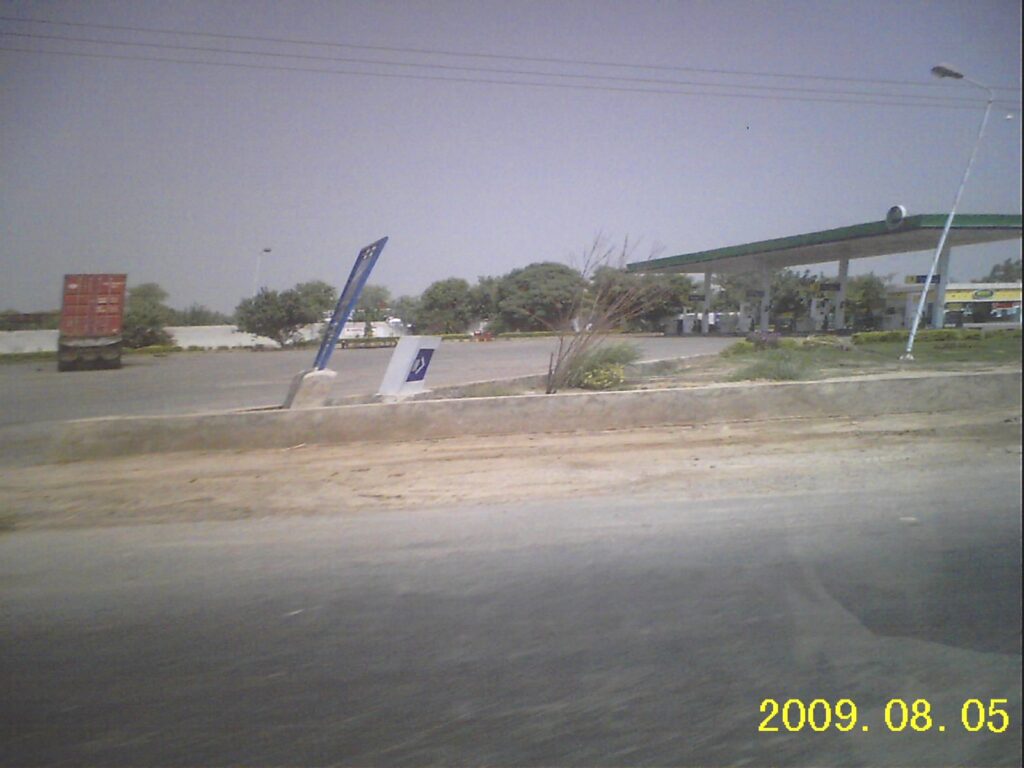
Featured image: A petrol pump in Punjab, Pakistan. Photo: Sunni Person, Wikimedia Commons (CC BY-SA 3.0).
Sources: Dawn, The Express Tribune, The News, Dunya News, The Nation, 19-20 November 2026.