Vogue India’s Best Dressed 2026 Turns the Spotlight on Homegrown Labels and Handloom Craft
Vogue India’s Best Dressed list for 2026 reads less like a celebrity ranking and more like a map of where fashion is heading. The names are familiar: Alia Bhatt, Sonam Kapoor, Kareena Kapoor Khan and Neena Gupta. The labels beside those names are not. Instead of the usual Paris and Milan houses, the list is full of Indian studios, handloom weavers and regional craft labels. The message is plain: the country’s best dressed stars want to be seen in clothes made close to home.
The stars who chose local
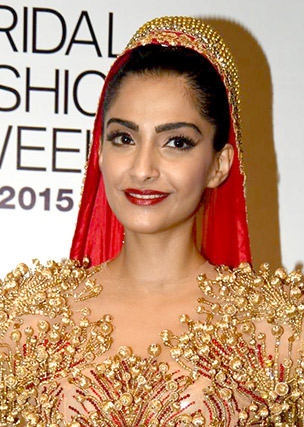
Sonam Kapoor, long known as a textile advocate, wore an Aakha set from the Ukhrul label EAST, a wrap handwoven on a traditional loin loom, and a Pichwai inspired dupatta from Shanti Banaras in Varanasi. Alia Bhatt took a 1950s style gown by Yash Patil’s That Antiquepiece to the Cannes Film Festival, hand painted with lavender fields and coastal imagery by Ahmedabad artist Basuri Chokshi, and has also worn easy pieces from Meghna Goyal’s Summer Somewhere. Kareena Kapoor Khan chose a hand painted sari from Jaipur’s Picchika, while Neena Gupta wore a peach rose print linen sari by Anavila, alongside pieces from her daughter Masaba Gupta’s label.
The stylists on the list tell the same story. Ekta Rajani wore a natural colour dyed bandhani silk outfit from 11.11/eleven eleven to Vogue India’s Earthshot Prize dinner party. Reble paired a black corset top from Mumbai label Polite Society with handmade accessories from Meghalaya. Young stylist Gayathri Mohan chose a pre stitched checkered sari from Bengaluru’s Nerige Story, and actor Adarsh Gourav favoured homegrown labels Taarini Anand and Jubinav Chadha.
Why this list looks different
Lists like this usually reward whoever wore the biggest international name. This one rewards provenance. Nearly every look on it can be traced to a specific loom, workshop or craft cluster, and the people wearing them seem to know it. Vogue’s Forces of Fashion gathering in Mumbai, which opened last week, took “Material Matters” as its theme, asking what a garment is actually made of. The Best Dressed list answers with names: handloom silk, bandhani, hand painted sari cloth, loin loom weaving.
There is also a generational change at work. Younger names on the list, from Adarsh Gourav to Gayathri Mohan, treat small labels as a first choice rather than a worthy compromise, and they talk about the makers behind the clothes on their own feeds. For them, wearing a little known label is the point.
What it means for Indian fashion
A single appearance on a Vogue list can change a small label’s year, as orders follow and stockists call. The list also lands at the start of the wedding season, when occasion wear spending peaks. If it nudges even a fraction of that spending toward handloom saris and hand painted textiles instead of imported labels, the effect on artisan incomes is direct.
None of this fixes the economics of handloom on its own. A list is a moment, not a market, and the test for these labels is whether the attention turns into repeat orders, retail space and fair prices for the artisans behind the work. But as a statement of where taste is heading, the 2026 list is hard to misread. Indian fashion’s most watched names are dressing in Indian craft, and they are naming the makers while they do it.
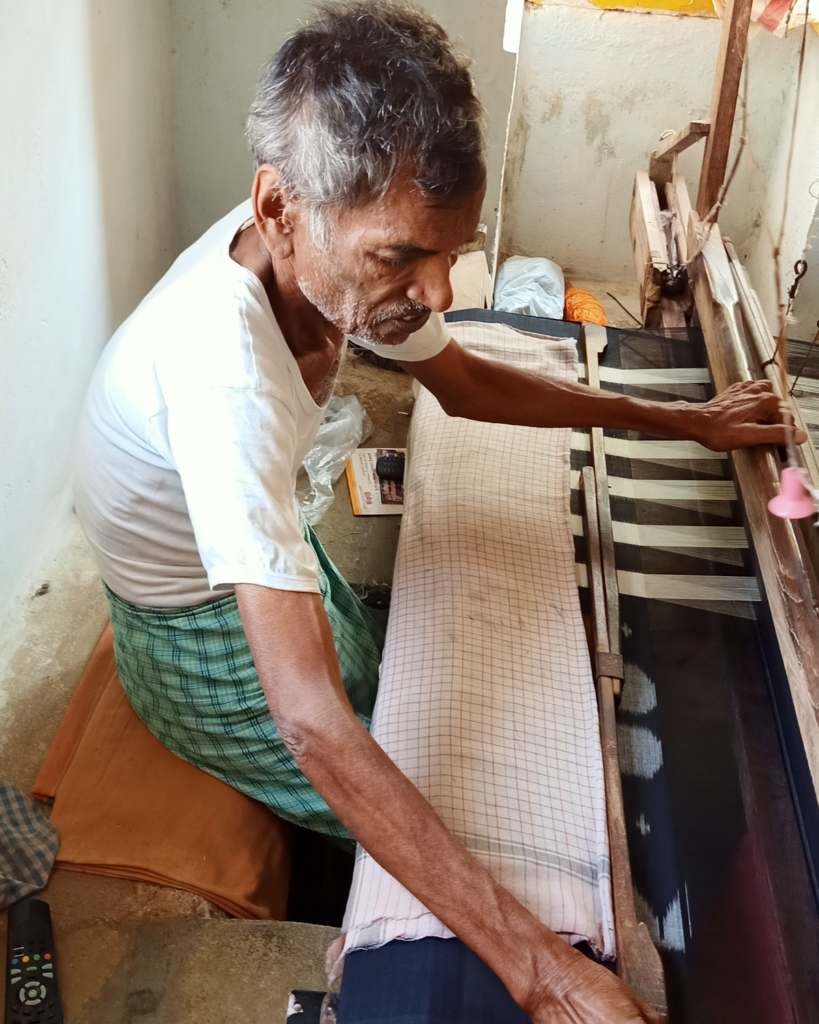
Featured image: handloom weaving of a Pochampally Ikkat sari in Telangana. Photo: Pranayraj1985, CC BY-SA 4.0, via Wikimedia Commons.
Sources: Global Net News (“Vogue India’s Best Dressed Showcase Homegrown Fashion Labels”, 26 November 2026, https://globalnet.news/vogue-indias-best-dressed-showcase-homegrown-fashion-labels/); Vogue India Best Dressed list 2026