ADB Approves $500 Million Loan to Back Pakistan Pension Reforms
The Asian Development Bank has approved a $500 million loan to help Pakistan reform its federal civil pension system, a step aimed at a bill that has grown so large it now crowds out spending on development and social programmes. The loan, approved on Tuesday, is results based, which means the money will flow as agreed reforms are delivered rather than all at once.
A pension bill that outgrew the budget
Federal pension spending has grown nearly fivefold since fiscal year 2016 and now exceeds Rs1 trillion a year, roughly $3.6 billion, according to the bank. That is the scale of the problem: a retirement system built for a smaller, younger civil service now has to support far more pensioners, and the cost keeps rising faster than the revenue that pays for it.
Every rupee that goes to pensions is a rupee that cannot go to schools, hospitals, roads or power. The ADB says the reforms should contain those rising fiscal pressures, make the pension system more sustainable and free up room for development and social spending.
What the loan is tied to
The financing comes under the ADB programme called Transforming Public Sector Pension Program, and it supports the first phase of the government Pension Reform Implementation Plan. At the centre of the plan is the move to a defined contribution scheme, in which federal civil employees appointed from July 2024 are required to take part. Under that model, retirement benefits are built from contributions made during service, rather than paid entirely out of the budget when an employee retires.
The programme will also help the government digitise pension records, improve services for pensioners and help employees understand their retirement benefits. Those sound like small administrative fixes, but in a system where pension paperwork has long been slow and manual, they matter: delayed payments are a regular complaint among retired government staff.

Why a loan, and why now
ADB Country Director for Pakistan Emma Fan said the bank support would help achieve lasting results by strengthening institutions, improving transparency and supporting a more sustainable pension system. The timing is no accident: the shift to contributory pensions for new hires began in July 2024, and the loan gives that shift financial backing and a reason to keep it moving.
It is also worth noting what this loan is not. It does not change what any current pensioner is paid, and it does not pay the pension bill itself. It finances the reform process, the systems, the transition and the institutional changes that are meant to slow the growth of the bill over time.
What happens next, and what to watch
The hard part starts now. The new contributory scheme only covers people hired from July 2024, so the existing pension bill will keep growing for many years before the reforms bend the curve. Success will depend on whether the government follows through on the later phases of its reform plan and keeps contribution rules consistent.
For taxpayers, the question is simpler: will this loan, and the reforms behind it, eventually mean less of the budget goes to pensions and more goes to services people use every day. That answer will take years, not months, but the approval is a sign that both the government and the ADB now treat pension reform as a central piece of Pakistan economic management, not a side issue.
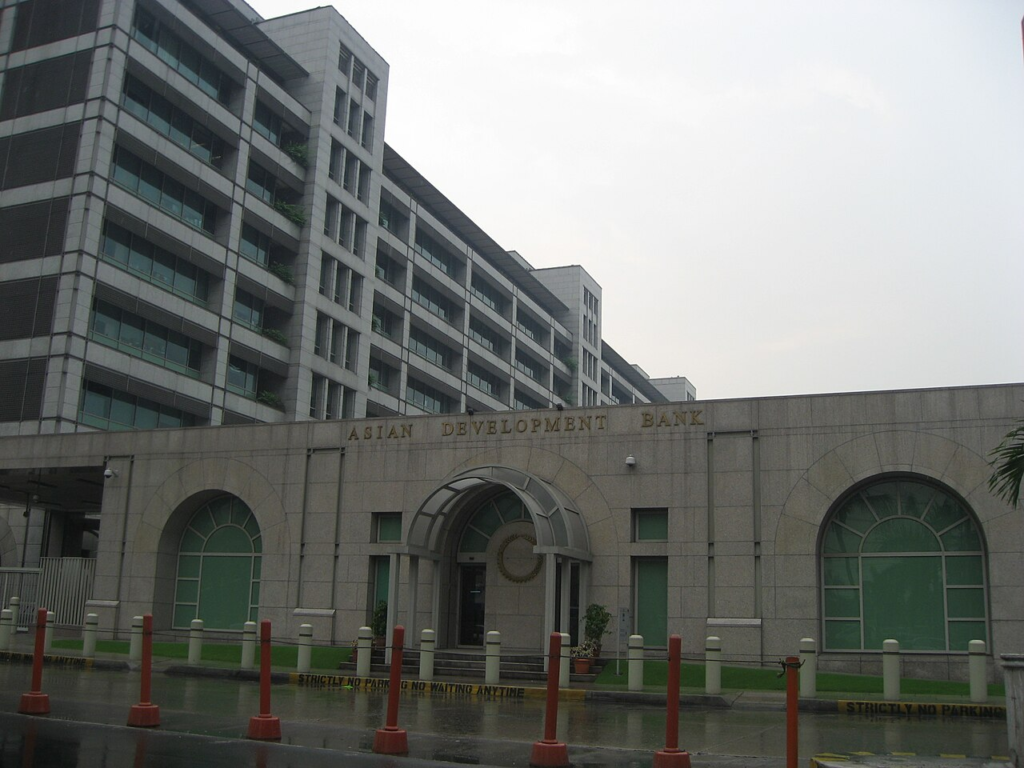
Featured image: The Asian Development Bank headquarters in Manila. Photo: Eugene Alvin Villar, CC BY-SA 4.0, via Wikimedia Commons.
Sources: Dawn (https://www.dawn.com/news/2045308); Arab News (https://www.arabnews.pk/pakistan/adb-approves-500-million-loan-as-pakistans-federal-pension-bill-strains-budget-3007357)