World Court to Deliver Landmark Ruling Today in Rohingya Genocide Case Against Myanmar
The International Court of Justice is set to deliver its judgment today in the case accusing Myanmar of genocide against the Rohingya, bringing to a close a legal battle that has run for seven years and could produce a first in the history of international law.
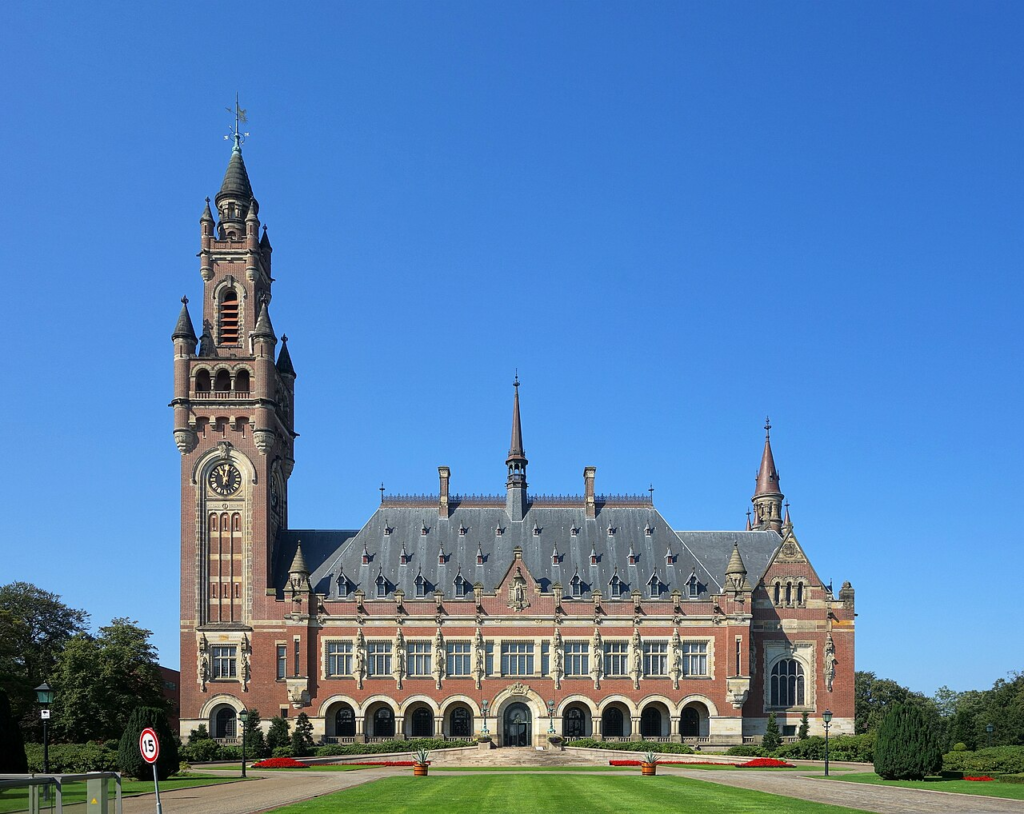
Judges at the Peace Palace in The Hague will begin reading the ruling at 10 in the morning local time, 09:00 GMT, in a session expected to last up to 90 minutes. The Gambia brought the case in November 2019, with the backing of the Organisation of Islamic Cooperation. It asks a question the court has never answered with a yes: has a state committed genocide?
The case centres on the Myanmar military’s crackdown in Rakhine State in August 2017, which drove at least 730,000 Rohingya into neighbouring Bangladesh. The Gambia argues the offensive violated the 1948 Genocide Convention. Survivors have described killings, mass rape and the burning of whole villages, and a United Nations fact-finding mission concluded that the campaign included genocidal acts.
Myanmar denies the charge. It says its forces were responding to attacks by armed groups and that there is no direct evidence of an intent to destroy the Rohingya as a people. That question of intent is the heart of the case, and it is also the reason the court has never before found a state guilty of genocide.
Why this ruling could be historic
Under the Genocide Convention, genocide requires proof of a specific intent to destroy a group, in whole or in part, not only a scale of killing. That bar is so high that in 2007, ruling on Serbia’s role in the 1995 Srebrenica massacre, in which more than 8,000 Muslim men and boys were killed, the court found Serbia had failed to prevent the killings but had not itself committed genocide.
A finding against Myanmar would be the first time the court has held a state responsible for committing genocide. It would set a precedent for the other genocide cases now before the court, including South Africa’s case accusing Israel of genocide in Gaza.

What the ruling can and cannot do
The judgment will be final, with no right of appeal, and Myanmar will be legally bound to follow it. But the court has no police force and no way to enforce its decisions on its own. If Myanmar ignores the ruling, The Gambia could ask the United Nations Security Council to act, a route where politics often decides more than law.
The Gambia has asked the court to order Myanmar to prosecute those responsible, pay reparations and ensure the Rohingya can return safely. The court cannot send anyone to prison; that is the job of the International Criminal Court, which tries individuals rather than states. The court has already intervened once, ordering Myanmar in January 2020 to prevent genocidal acts and preserve evidence.
What it means for the Rohingya
For the roughly 1.2 million Rohingya in the Cox’s Bazar settlement in Bangladesh, many following the judgment today, the ruling is about recognition as much as remedy. A finding of genocide would not rebuild their villages or bring them home tomorrow, but it would give their suffering a legal name.
About 550,000 Rohingya remain in Myanmar, living with restrictions on movement, healthcare and livelihoods. Whatever the judges decide, their daily lives will not change overnight. The ruling’s real test will be what governments do with it next.
Sources: Al Jazeera, Al Jazeera explainer, The Business Standard (BBC), Radio Free Asia