Three Oil Tankers Catch Fire After Hitting Mines East of Strait of Hormuz, Iran Says
Iran says three oil tankers caught fire and were disabled after hitting naval mines east of the Strait of Hormuz on Wednesday evening, the latest incident in a waterway where shipping has become a target in the war between the United States and Iran.
The claim was carried by Iran’s state-run Press TV and the IRIB news agency, citing statements from Iran’s navy and the Islamic Revolutionary Guard Corps. The vessels were not named, and no details were given about their flags, owners or cargoes, or about any casualties.
According to the statements, the tankers were sailing through areas Iran describes as restricted, with their navigation systems switched off, and had ignored warnings from Iranian naval forces. The Revolutionary Guard added that passage through the strategic waterway must be coordinated with Iranian authorities, a demand Tehran has pressed since it began restricting navigation in the strait.
What is confirmed and what is not
The claim has not been independently verified. Reuters said it could not confirm the incident, and neither the United Kingdom Maritime Trade Operations centre nor United States Central Command had commented on the announcement. That gap matters, because Iran has made similar claims earlier in the week that also went unverified.
Separately, the United Kingdom Maritime Trade Operations agency reported that an oil tanker was hit by a projectile of unknown origin in the strait, north of Khasab in Oman. That incident, confirmed by the maritime monitoring agency, is distinct from the three-tanker claim, and it underlines how busy and how dangerous the waterway has become.
Why the strait matters
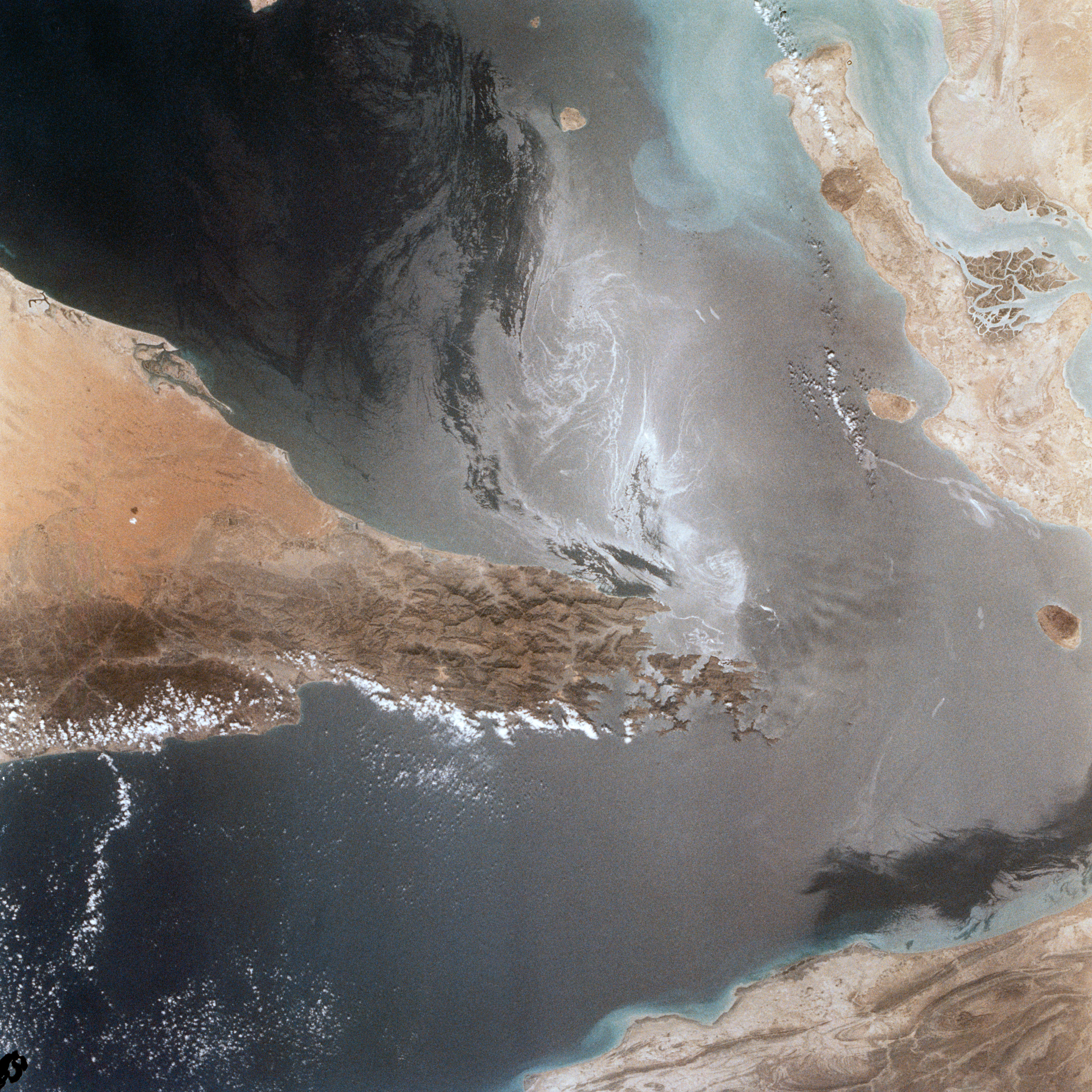
The Strait of Hormuz is the narrow channel between Iran and Oman through which about a fifth of the world’s oil passes, along with large volumes of liquefied natural gas. It is the only sea route out of the Gulf, and any threat to shipping there ripples quickly into oil prices, insurance costs and the calculations of governments far from the region.
Iran has restricted navigation through the strait since the war with the United States erupted in February, and it has attacked ships it says do not comply. The conflict has already spread beyond the strait this week, with Iranian strikes on targets in Kuwait and Bahrain, and the tanker incidents are part of the same pattern of pressure on shipping and on the states that host American forces.
What to watch next
The first test is verification. Ship owners, insurers and maritime agencies will be watching for names, flags and damage reports, and for any statement from the United Kingdom Maritime Trade Operations centre or United States Central Command. If the incident is confirmed, the second question is how shipping responds, whether tankers reroute, slow down or demand higher insurance, and whether oil markets treat the strait as a lasting risk rather than a passing scare.
The wider question is whether the mine campaign is meant as leverage or as a prelude. Iran’s demand that passage be coordinated with its authorities points to control of the strait as a bargaining chip. How the United States and its Gulf allies answer that demand will shape whether the waterway stays open, and at what cost.
Sources: Al Arabiya (Reuters), Al Jazeera live blog, NDTV