Why the 2026 U.S. Midterms Matter for Trump and Congress
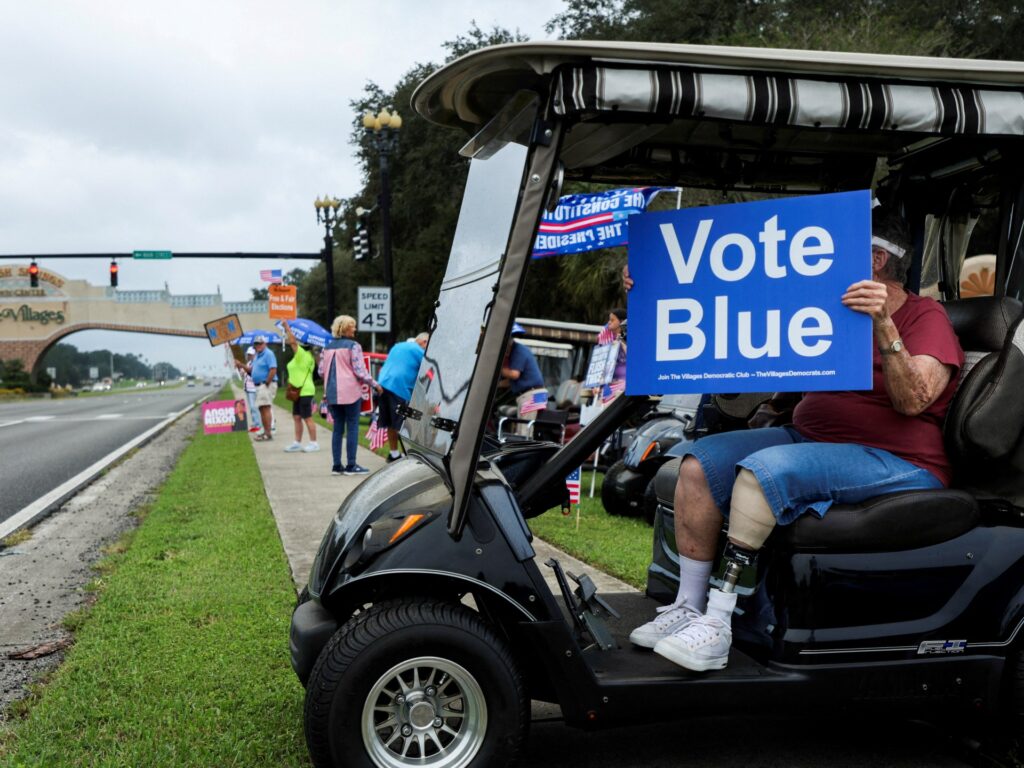
The United States will hold its midterm elections on November 3, a contest that is dominating headlines at home and abroad. The outcome will decide which party controls Congress and will shape the final two years of President Donald Trump’s administration, while also determining numerous state and local offices.
Midterms occur halfway through a presidential term, so the White House is not on the ballot. The central focus is the fight for control of the two chambers of Congress: the House of Representatives and the Senate.
All 435 seats in the House are up for election because members serve two‑year terms. Most of those races are considered decided, leaving roughly fifty competitive contests that will determine the House majority. Most election analysts now expect Democrats to win the chamber, with some forecasts giving them as many as fifteen more seats than Republicans.
The Senate, with its 100 seats, follows a staggered six‑year cycle, meaning only 35 seats are contested this cycle. About a dozen of those races are viewed as competitive. While Democrats have a slimmer chance of gaining a Senate majority, their odds have improved as more races have become competitive. Left‑leaning candidates have made gains in traditionally Republican states such as Texas and Kansas, opening the possibility that Democrats could reach the 51 seats needed for a majority, since the vice president breaks ties.
Control of Congress matters because lawmakers pass legislation and approve the federal budget. Even with a majority in both chambers, a party may still need bipartisan support to move most bills forward. In the House, a simple majority is enough to pass legislation, but in the Senate a supermajority of sixty votes is usually required to overcome a filibuster. Without that supermajority, a minority can block bills indefinitely. The president can also veto any bill, and overriding a veto demands a two‑thirds majority in both chambers—a feat that has become rare. The last successful override occurred in January 2021, when Congress overrode a defense spending veto during Trump’s first term.
If Republicans retain both chambers, they will continue the “trifecta” of controlling the presidency, the Senate, and the House that they have enjoyed for the past two years. Their majorities have already helped Trump pass key measures, including increased funding for Immigration and Customs Enforcement and tax changes that reduced some publicly funded health programs as part of the 2025 tax bill. However, Republicans have not been able to pass all of Trump’s priorities, such as the federal voter‑identification proposal known as the SAVE America Act, which has faced Democratic opposition. There have also been instances where Republican lawmakers have pushed back against Trump, particularly on tariff issues and on matters related to the U.S.–Israel conflict with Iran.
Should Republicans keep their majorities, they will likely continue to support Trump’s agenda, but many members may also watch voter sentiment closely as the 2028 elections approach. Because Trump cannot run for a third term, some Republicans might be more inclined to distance themselves from the president in order to improve their own re‑election chances.
If Republicans lose the House but keep the Senate, they would still be able to confirm Trump’s nominees for hundreds of federal positions, including judges and Supreme Court justices, since those appointments require only a Senate majority.
Conversely, a Democratic takeover of either chamber would shift the balance of power. The party that controls Congress, with a few exceptions, sets the legislative agenda, influences budget priorities, and can block or shape the president’s initiatives. The midterms therefore represent a pivotal moment for the direction of U.S. policy in the final stretch of Trump’s term.