
The human toll of rising US air strikes in Somalia
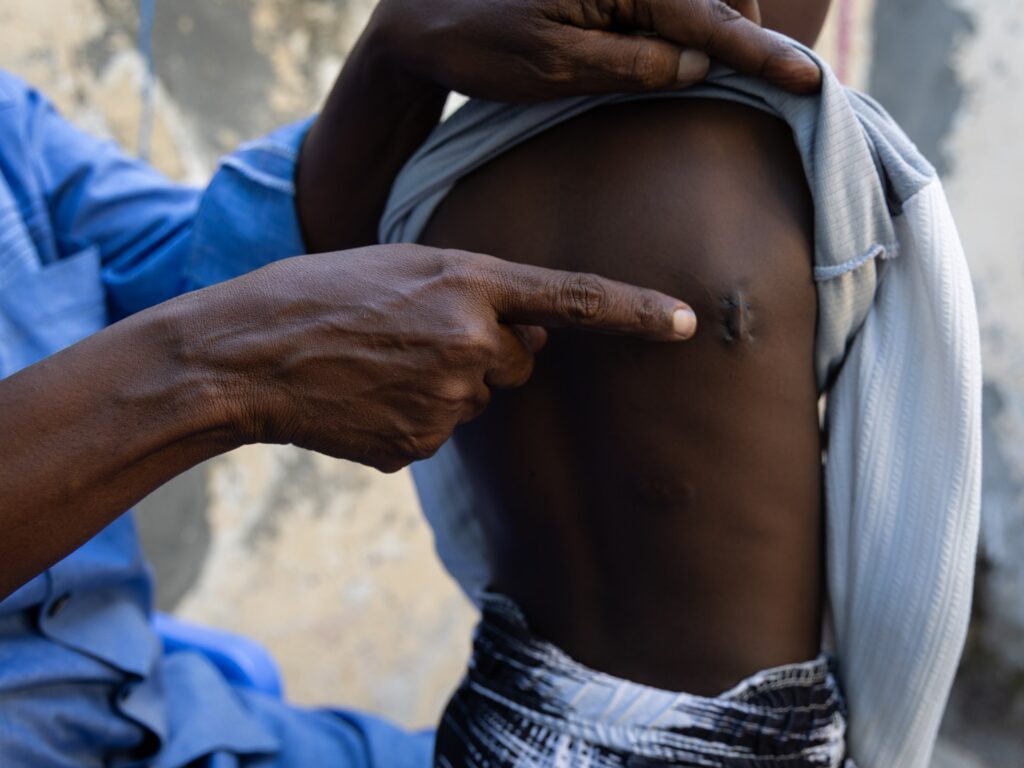
Nearly a year after a suspected United States strike in southern Somalia left shrapnel lodged in her son’s body, Maryam Haji Abdi Guled still feels compelled to walk him to school herself. She worries that a stray child might jostle him, disturbing a metal fragment near his hip, and doctors have warned that removal could leave him paralyzed.
“I hold his hand, take him to school, and I bring him back myself. I watch over him,” she told Al Jazeera. Her son, Abdiqadir Salah, was seven when he was injured during a November 2025 military offensive that involved US air strikes and Somali ground forces around Jamaame in the Jubaland region.
Maryam is one of several survivors Al Jazeera has spoken with in recent months who say family members were killed or seriously wounded during the operation. Their accounts describe deaths, displacement, loss of livelihoods and injuries that continue to shape their daily lives.
The testimonies appear as US air operations against armed rebel groups in Somalia have surged under President Donald Trump. Public records from the US Africa Command (AFRICOM) list 84 strikes in Somalia through September 2026, while the New America Foundation, which tracks the campaign independently, recorded 88 strikes in the same period.
The US military confirmed air strikes in the area on 14 and 15 November 2025, but it disputes claims that its aircraft caused civilian casualties. AFRICOM told Al Jazeera it had completed an assessment of reports that US operations killed between ten and twelve civilians and destroyed homes and businesses in Jamaame. The command concluded that the information reviewed did not meet its “more likely than not” threshold for attributing the harm to US strikes.
That finding does not prove that US strikes caused no damage; rather, AFRICOM said the evidence did not reach the level required to determine that US operations were more likely than not responsible for the reported casualties and destruction. Al Jazeera asked whether investigators had spoken to survivors, relatives of the dead, hospital staff, local authorities or other witnesses. AFRICOM did not say whether it had done so, but it noted the assessment could be reopened if new information emerged.
The conclusion stands in contrast to families’ accounts of witnessing the bombardment and to independent monitoring reports documenting civilian deaths and mass displacement during the offensive. For those who lost loved ones or now care for seriously injured relatives, the prospect of justice remains uncertain.
Maryam remembers the morning aircraft appeared over Jamaame while she was preparing breakfast after her children returned from school. The roar overhead had become routine, she said, “The aircraft never leave us, night or day, and we have become accustomed to them.” Her children ran outside toward the noise, and she followed, hoping to bring them back inside before the family fled. A munition struck nearby, followed by another explosion near the front door, and the house endured further bombardment.
Maryam believes the attack on her home was carried out by US drones that had been circling over the town before the strike. Ugaas Ahmed Ugaas Said Ali, a Bimaal clan chief who has been in contact with affected families, said the suffering extended far beyond those who managed to leave Jamaame. “Maryam is one of the fortunate people who has been able to obtain medical care. There are many injured people left in the town from that offensive who haven’t been able to make it to Mogadishu,” he said.
During the attack, a munition hit the ground without exploding, while other strikes killed people nearby. In the chaos Maryam became separated from her children; three of her six children were wounded, with Abdiqadir sustaining the most serious injuries. It took her more than a day and a night to reach medical care in Mogadishu, and during the 24‑hour journey her son bled and suffered intense pain.
Jubaland authorities, Somali government and regional forces, including the US‑trained Danab commando unit, said they launched operations against al‑Shabab positions in villages surrounding Jamaame. The authorities reported at least 56 al‑Shabab fighters killed and 20 captured, though Al Jazeera could not independently verify those numbers. AFRICOM declined to disclose how many strikes were conducted or which munitions were used, citing operational security.
Witnesses interviewed by Al Jazeera said the bombardment came without warning. Three people – two who said the... (article continues).