
Tehran denies involvement in plot to assassinate German Jewish leaders
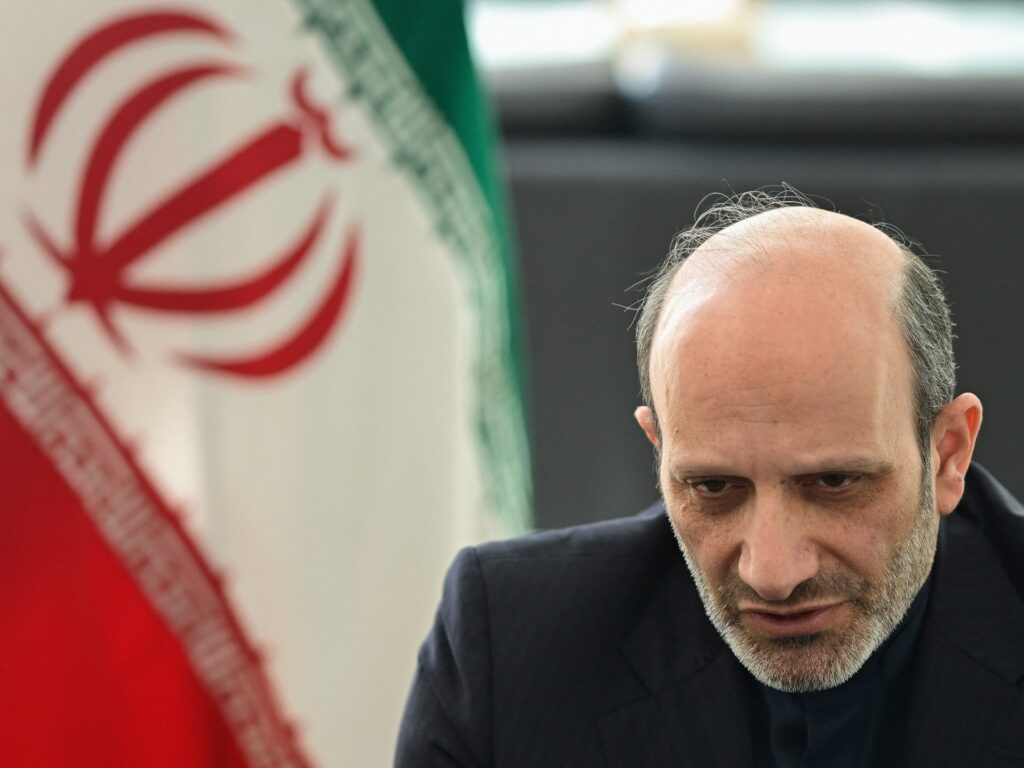
Iran’s foreign ministry summoned Germany’s ambassador after a Hamburg court convicted two men of planning to kill senior figures of Jewish organisations at the alleged direction of Tehran, calling the German accusations “baseless political allegations.” The move followed Germany’s earlier decision to call in Iran’s ambassador, Majid Nili Ahmadabadi, over the same allegations.
In a statement aired by the state news agency IRNA, the Iranian foreign ministry said, “Levelling security-related accusations against Iran has long been a tactic employed by the Zionist regime and certain Western nations.” It added, “Attempting to provide a judicial face to baseless political claims not only fails to lend any credibility to such allegations but also undermines the standing of the German judiciary itself.”
The German case involved a Danish citizen, identified in part as Ali Hassan S, and an Afghan national who were found guilty in a Hamburg court on Thursday of planning attacks on Josef Schuster, president of Germany’s main Jewish community organization, and Volker Beck, head of the German‑Israeli Society. The Dane received an eight‑and‑a‑half year prison term, while the Afghan was sentenced to four‑and‑a‑half years. The court said the pair had been directed by Iran’s intelligence service and described their actions as “terrorist activities orchestrated by Iran.” Both men had been arrested in Denmark last year and later extradited to Germany.
Germany’s foreign ministry posted on X that the Iranian ambassador had been summoned and warned that Tehran would not be permitted to “threaten our free society.” It said, “The malicious assassination attempts against Josef Schuster and Volker Beck will have legal consequences.” The ministry also declared, “We do not tolerate attacks on Jewish life and on those who defend it anywhere, and certainly not in Germany.”
When the charges were first announced, the Iranian embassy in Berlin issued a statement rejecting what it called “unfounded allegations made at the behest of Iran’s enemies.”