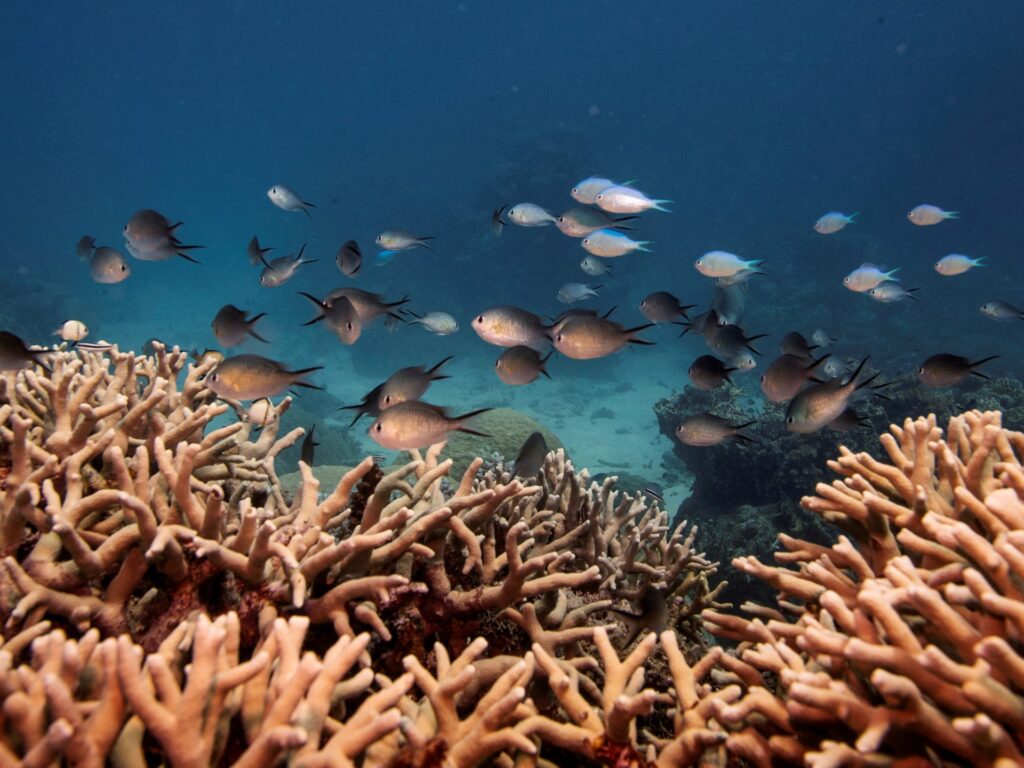
Study warns nearly all shallow‑water coral reefs face extinction risk
A new global assessment from the International Union for Conservation of Nature (IUCN) says that almost every shallow‑water coral reef on the planet is at an extremely high risk of collapse within the next five decades. The report, released on Thursday, placed 96 percent of the world’s coral reef systems in the “critically endangered” category, the highest level of threat, and warned that total extinction could occur by 2075.
Mishal Gudka, scientific lead of the IUCN Red List of Coral Reef Ecosystems assessment, told reporters at the UN’s COP17 biodiversity summit in Yerevan, Armenia, that “the future threat of climate change is looming and severe, and that poses a very high risk to the survival of these ecosystems.” Rising ocean temperatures and more frequent, intense bleaching events—driven by human‑induced climate change—make corals especially vulnerable. When a reef collapses, hard corals disappear and are replaced by algae, rubble and sponges, stripping the ecosystem of the diverse life it once supported, from tiny invertebrates to large reef fish such as grouper.
The emergence of a strong El Niño this year adds further danger, Gudka said, as the natural warming episode can exacerbate stress on already fragile reefs.
Coral reefs, often called “rainforests of the sea,” provide vital services: they support a quarter of marine species, underpin fisheries and tourism, and act as natural buffers against coastal erosion and storms. The assessment identified many of the world’s most famous reef systems—including Australia’s Great Barrier Reef, the Coral Triangle in the western Pacific and Southeast Asia, the Mesoamerican Barrier Reef System, and the Red Sea reefs—as critically endangered.
The IUCN’s analysis used the “middle‑of‑the‑road” scenario from the United Nations climate panel, which projects global temperatures to rise 2.7 °C above pre‑industrial levels by 2100. The study examined 127 tropical and subtropical coral systems covering 188,362 square kilometres.
A related IUCN study published in Nature a week earlier found that nearly 44 percent of reef‑building coral species face an elevated risk of extinction due to climate change. A year ago, a global survey reported that 84 percent of the ocean’s reefs had experienced harmful bleaching, the most extensive event on record.
Despite the stark warning, the IUCN stressed that coral reefs have not yet been lost in most regions. “Coral reefs have shown a remarkable ability to bounce back from devastating bleaching events,” Gudka said. “Pockets of surviving, resilient coral reefs can still remain in the future, so we must do everything within our reach to set them up for success.”