Pakistan Secures Oman Oil Supply and $200 Million Credit Line as Hormuz Disruption Drags On
Pakistan has signed an agreement with Oman under which the Gulf state’s oil company will supply petroleum products to Pakistan State Oil and extend a 200 million dollar credit line to the state-run firm, a deal Islamabad hopes will keep fuel flowing while the Strait of Hormuz remains disrupted by the United States-Iran conflict, now in its ninth month. It was signed on Sunday during Petroleum Minister Ali Pervaiz Malik’s visit to Muscat, where he met Oman’s Minister of Energy and Minerals, Salim Bin Nasser Al Aufi.
Why Oman matters now
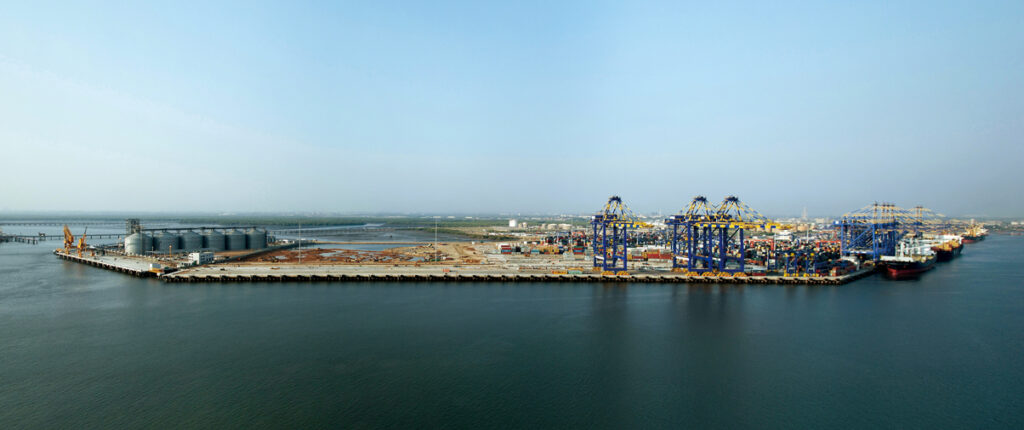
Pakistan imports nearly 80 to 85 per cent of its petroleum requirements, and most shipments pass through a single maritime route via the Strait of Hormuz before reaching Karachi and Port Qasim. Pakistan has historically sourced much of its oil and gas from Saudi Arabia, Kuwait, the United Arab Emirates and Qatar, most of which have ports within the strait. That route has been unreliable since the United States-Iran war began, and with the conflict spreading to Yemen, the alternative route through the Red Sea has been disrupted too. The deal’s real value comes from where Oman sits on the map: outside both the Hormuz and Bab al-Mandeb chokepoints. Cargoes loaded there reach Pakistan with a short crossing of the Arabian Sea, and Oman has become a key transfer point for Gulf crude that can no longer leave through the strait.
What the deal covers
The two ministers witnessed the signing of a Sale and Purchase Agreement for petroleum products between Pakistan State Oil and OQ Trading, Oman’s global commodity trading company. According to a PSO stock filing from October, the two companies had agreed the agreement on October 8, and it was formally signed on Sunday. The two sides also welcomed the establishment of the Pakistan-Oman Joint Working Group on Oil and Gas to advance cooperation in energy and mining. OQ Trading has already established itself as a major supplier of gasoline to PSO, providing more than one million tonnes during 2026. Beyond gasoline, the Omani supplier has also strengthened its presence in Pakistan’s liquefied petroleum gas market, supplying both state-owned and private-sector buyers, and the petroleum division expects its LPG supplies to Pakistan to exceed 120,000 tonnes by the end of 2026.
The credit line and the rupee
The 200 million dollar credit line matters because oil imports must be settled in US dollars, so surging global prices increase demand for dollars, weakening the rupee and inflating the cost of all imports. Deferred payment eases that pressure and adds Muscat to the Gulf partners that finance Pakistan’s fuel purchases. Kuwait, for example, already supplies three oil cargoes every month to PSO on 90-day deferred payments. The petroleum division said the agreement provides a structured arrangement for petroleum product supplies, supporting supply reliability amid continued volatility in regional energy markets. Both ministers expressed confidence it would strengthen Pakistan-Oman energy ties and support Islamabad’s efforts to enhance energy security through diversification.
What to watch
The first question is whether volumes grow beyond gasoline into crude and diesel, and whether the Joint Working Group produces concrete investment in oil, gas and minerals rather than just meetings. The second is how long the Hormuz disruption lasts: if the route reopens, the Oman arrangement still leaves Pakistan with a more diverse set of suppliers than before, which is a lasting gain. For consumers, the deal is about supply reliability rather than pump prices, which are set separately. The agreement will be judged not by the signing ceremony in Muscat but by whether cargoes keep arriving on schedule in the months ahead.
Sources: Dawn