
Multilingual Handbook Helps Karachi Doctors Take Patient Histories in Seven Languages
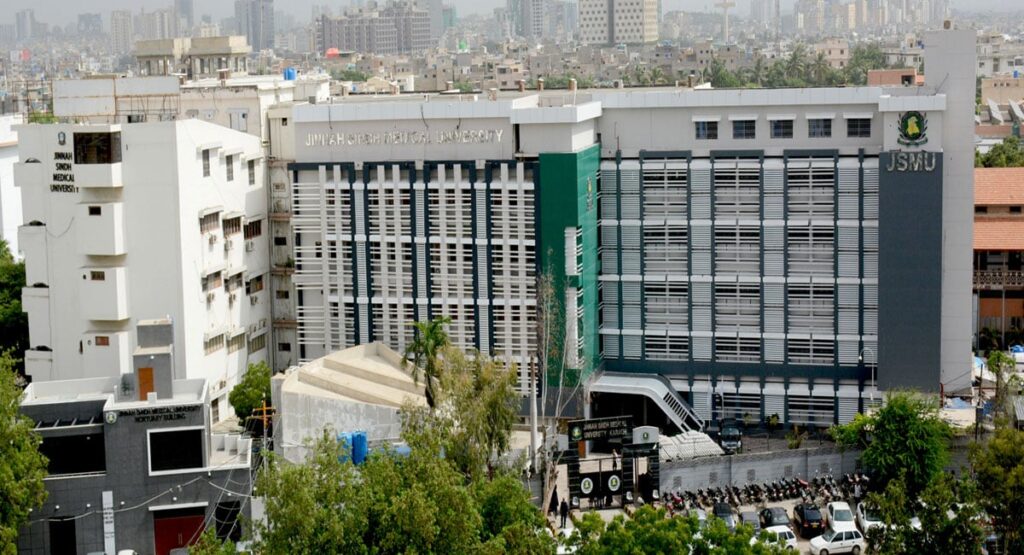
KARACHI — Medical students at Jinnah Sindh Medical University have created a new clinical history‑taking handbook that eliminates language obstacles for doctors dealing with patients who speak a range of regional tongues. The guide, produced by the Internal Medicine Interest Group of Sindh Medical College, includes translations in English, Urdu, Sindhi, Pashto, Punjabi, Balochi and Saraiki and is offered free as a digital download.
The resource is intended to help future physicians, who are mostly taught in English, communicate more effectively with patients from diverse linguistic backgrounds, capture symptoms accurately and improve overall clinical assessment. By making the handbook openly accessible online, the team hopes to remove cost and distribution hurdles and reach as many students and practitioners as possible.
The project was overseen by Dr. Sadaf Razzaq, associate professor of pathology, and Professor Dr. Ambreen Usmani, principal of Sindh Medical College. A major driving force behind the initiative was Abdul Thawwab Ishaque, a Sri Lankan final‑year MBBS student and former president of the Internal Medicine Interest Group. His involvement highlights how medical education can cross national borders.
The handbook was unveiled in a ceremony attended by JSMU vice chancellor Professor Dr. Amjad Siraj Memon, who served as chief guest, Sri Lankan consul general Hon. Sanjeewa Pattiwila and CPSP director Dr. Sahar Abbasi as guests of honour. “The handbook was developed with a clear vision: to bridge language barriers in clinical settings and facilitate clearer communication between medical students and patients from diverse linguistic backgrounds,” said Professor Dr. Amjad Siraj Memon.
Consul general Sanjeewa Pattiwila praised Ishaque’s work, noting, “Abdul Thawwab’s contribution is a proud moment for Sri Lanka. His work reminds us that the pursuit of knowledge and the service of humanity transcend national borders.”