Mexico Accuses Former State Prosecutor of Treason for Allowing U.S. Agents in Drug Raid
Mexico has taken the unusual step of charging former Chihuahua Attorney General César Jauregui with treason, alleging that he let United States agents take part in an anti‑drug operation on Mexican soil. The move highlights long‑standing sensitivities about U.S. involvement in Mexico and raises questions about the country’s sovereignty.
On Wednesday, prosecutors said Jauregui permitted U.S. operatives to join a raid in the north‑western state of Chihuahua. Under Mexican law, any foreign force operating in the nation must receive approval from the federal government. The issue came to light after a car crash on 19 April killed two U.S. agents and two Mexican law‑enforcement officers. Media reports, citing unnamed sources, claimed the Americans had been working with state officials to destroy a drug laboratory.
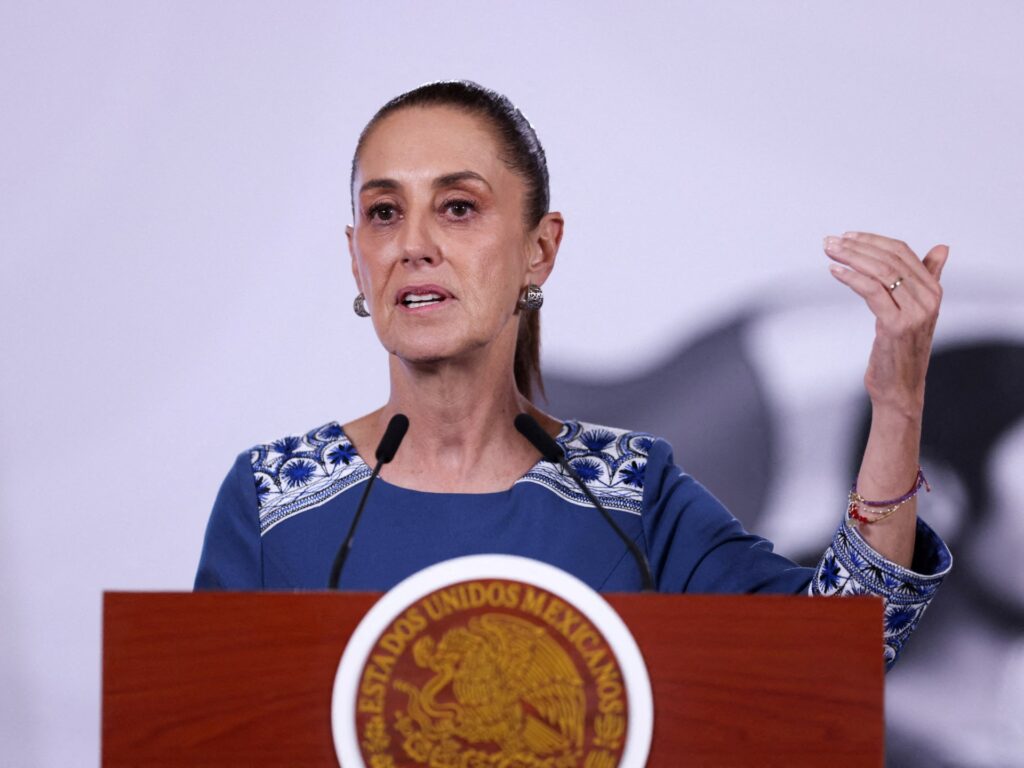
Matías Gómez Leautaud, an analyst with the U.S. risk‑consultancy Eurasia Group, told Reuters that the treason charge “seeks to set a precedent and prevent cooperation between Mexican states and the U.S. government without the federal government’s coordination and approval.” While President Claudia Sheinbaum’s administration has cooperated with Washington on crime and security matters, it has consistently opposed any direct U.S. engagement with Mexican states that bypasses federal authorization.
In the days following the crash, Sheinbaum said her government was unaware that U.S. agents had been involved in the Chihuahua operation. “Evidently, the military didn’t know there were people participating who weren’t Mexican citizens,” she told reporters. She called for an investigation into whether state officials had complied with the Mexican Constitution and the National Security Law, both of which regulate foreign presence. The Constitution, for example, requires Senate approval for any foreign troops on Mexican territory. Historical U.S. interventions, including several invasions in the early 20th century, have left a legacy of suspicion.
Concerns about U.S. respect for Mexican sovereignty have grown since former President Donald Trump returned to office. Trump has suggested that the United States could take unilateral military action against Mexican drug cartels, describing the Mexican government as ineffective. “We have to eradicate them,” he said in March, adding that the cartels were “taking over their country.”
After the April crash, conflicting accounts emerged about why the two U.S. agents were in Chihuahua. Some media identified them as CIA officers, a U.S. intelligence agency with a history of covert operations. State officials denied that the agents were part of a drug bust. In a press release on 20 April, Jauregui said foreign personnel had not been involved in the state’s drug operations. He claimed the Americans were U.S. instructors conducting a nearby drone‑training session who later asked to join a convoy of Mexican officers returning to the airport. “It is worth explaining what happened, in order to clarify the facts that are causing some confusion,” Jauregui said at the time.
Jauregui resigned as state attorney general later that month. Federal Attorney General Ernestina Godoy has since accused him of allowing foreign agents to operate on Mexican territory without informing federal authorities. A judge has ordered Jauregui to remain in pre‑trial detention while the court determines whether there is sufficient evidence to proceed.
Legal experts note that Mexico’s treason statute is loosely defined, covering acts that undermine national sovereignty for the benefit of a foreign power. Convictions under this law are rare; the last widely recognized case was in 1867, when Emperor Maximilian was tried and executed for crimes against Mexico.
Jauregui is a member of the conservative National Action Party, while President Sheinbaum leads the left‑wing Morena party.