
How Pakistan Measures Inflation: Inside the CPI Basket Behind Prices, Policy and Pay
Every month, one number moves markets, shapes the State Bank’s interest rate decision and decides whether your salary still buys the same groceries. That number is the inflation rate, and it comes from the Consumer Price Index, or CPI. Yet the CPI is not a guess and not the price of any single item. It is a basket of hundreds of everyday goods and services, tracked in markets across the country and weighted by how much households actually spend. Here is how it works, and why it sometimes feels different from your own shopping bill.
What the CPI actually is
The CPI tracks the average change over time in the prices of a fixed basket of goods and services that households buy. The Pakistan Bureau of Statistics, known as PBS, collects the prices and publishes the index every month. The change in the index compared with the same month a year earlier is the inflation rate you see in headlines. When food prices jump but clothing prices stay flat, the CPI blends the two according to how much of each a typical household buys.
The basket: what Pakistanis spend on
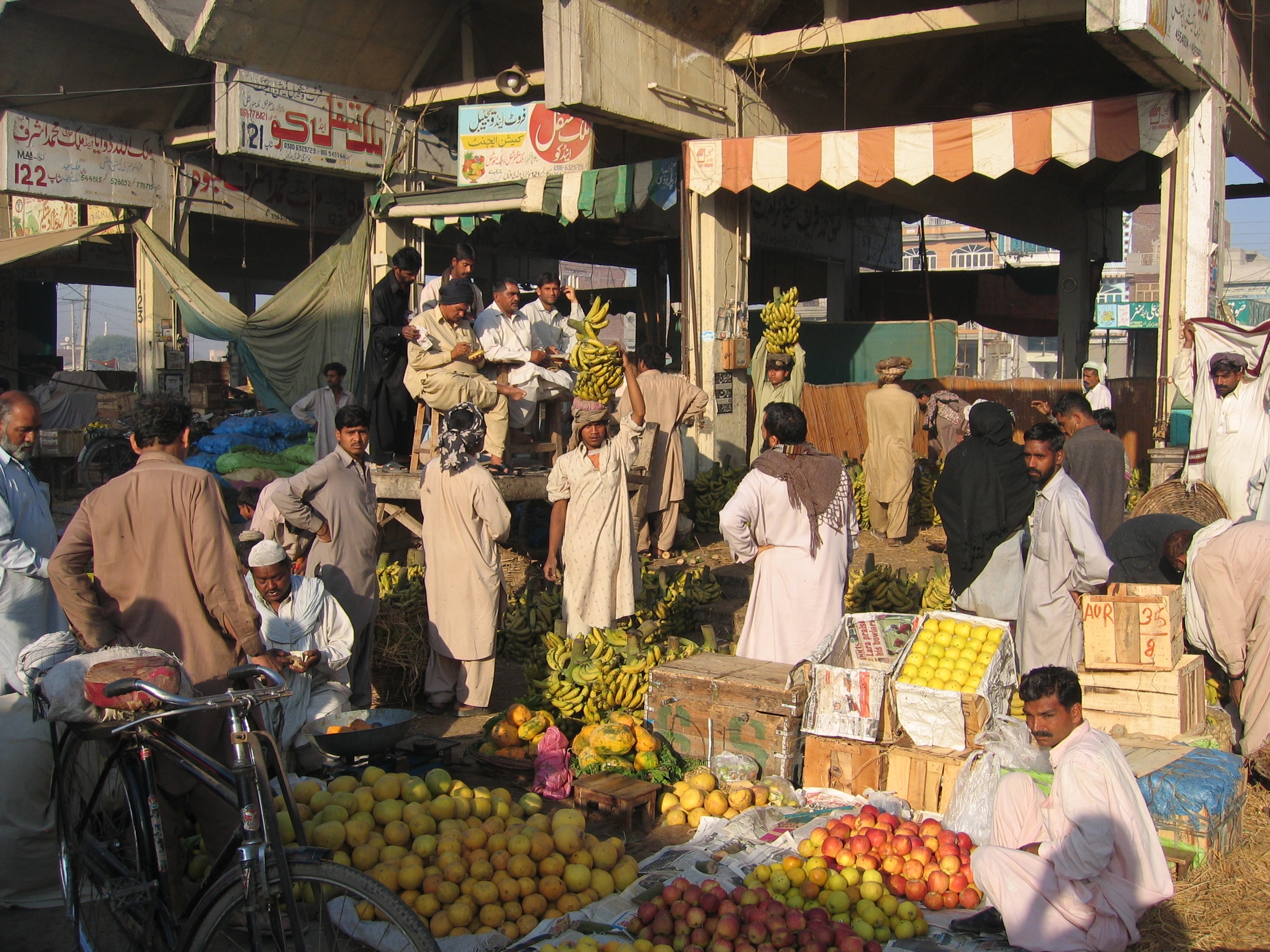
The basket is built from the Household Integrated Economic Survey of what families actually spend. In the urban basket, food and non-alcoholic beverages carry the largest weight at 30.42 percent, followed by housing, water, electricity, gas and other fuels at 27.03 percent. Clothing and footwear take 8.01 percent, health 2.31 percent and miscellaneous goods and services 4.77 percent. Food and housing together account for more than half of the urban basket. That is why a rise in wheat flour, cooking oil or electricity tariffs moves the headline number far more than a rise in shoe prices. In the rural basket the pattern is sharper still: food takes 40.87 percent and housing 18.49 percent, because rural households spend a bigger share of their income on food.
How the number is built each month
Under the old base year of 2007-08, PBS staff tracked 487 items in 76 markets across 40 cities, and only in urban areas. That left out the rural households who make up most of the population. Price collectors visit the markets, note the price of each item in the basket, and PBS combines the results using the survey weights. Each item contributes to the final index in proportion to its weight, so a 10 percent rise in an item with a 30 percent weight pushes the index up far more than the same rise in an item with a 1 percent weight. The result is one index number for urban Pakistan, one for rural Pakistan and one national figure that combines both.
Why the 2019 rebasing mattered
In April 2019, the PBS Governing Council approved a new base year, 2015-16, replacing 2007-08. For the first time, Pakistan got a rural CPI alongside the urban one, and the two combine into a national CPI. The rural index covers 27 centres and 244 items. The new method also changed the maths: it uses the geometric mean instead of the arithmetic mean, in line with international practice, weights cities by population instead of treating large and small cities equally, and sorts households by consumption quintiles rather than income quintiles so the weights reflect what people actually consume. Gas prices are now calculated with slab-wise consumer weights, and electricity prices now include taxes, surcharges and the fuel price adjustment, which the old method left out.
Why the CPI can feel different from your own bills
If the official rate says 5 percent but your grocery bill rose 15 percent, neither number is wrong. The CPI measures the average household, and no real household is average. If your family spends more than 30 percent of its budget on food, your personal inflation is higher whenever food prices rise faster than the rest. The index also smooths out regional differences: a tomato shortage in one city barely moves the national figure. PBS also publishes core inflation, which strips out food and energy to show the underlying trend, the version policymakers watch to see whether price pressure is broad or limited to a few volatile items.
Why it matters for your money
The State Bank of Pakistan watches the CPI when it sets its policy interest rate, and that rate flows into everything from car loans to savings accounts. When inflation runs high, borrowing usually gets more expensive and savers may finally earn a real return. Wages, pensions and business contracts are often negotiated with the CPI in mind, even when no one names it. The basket is more than statistics. It is the yardstick for how far a Pakistani salary stretches, and understanding it is the first step to judging whether the official story matches your own kitchen budget.
The next time the monthly inflation figure flashes on your screen, you will know what sits behind it: a basket built from real household spending, prices collected in markets across the country, and a set of weights that decide which prices matter most. The number is an average, and averages hide as much as they reveal. But for a country where food and housing swallow more than half of most budgets, it is still the closest thing to one answer to the question every household asks: how much more expensive did life get this month?