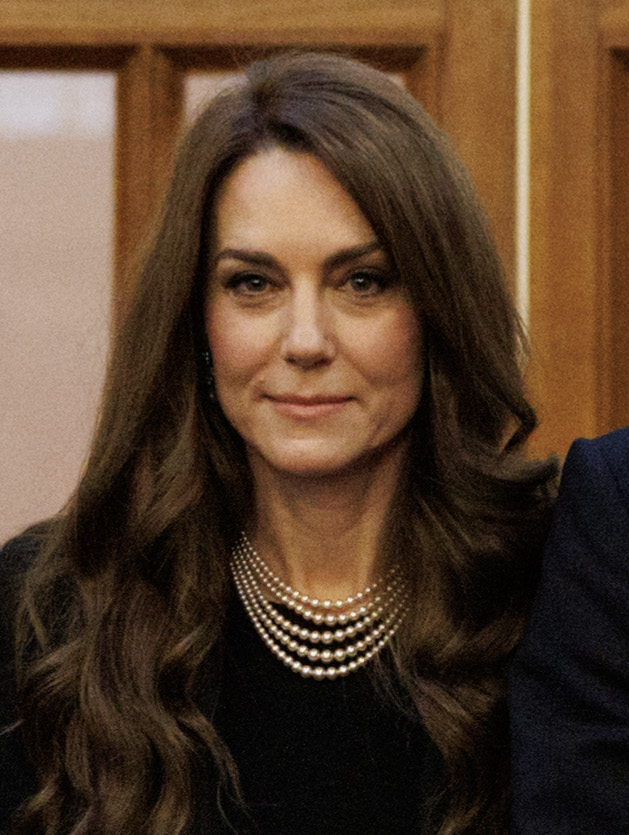
Catherine in a Mahima Mahajan Anarkali Leads a Night of Indian Craft on the Earthshot Green Carpet
Mumbai’s Jio World Convention Centre turned its green carpet into a fashion story on 17 November, as the Earthshot Prize 2026 brought royalty, Bollywood and Hollywood together for one evening. The night was built around environmental ideas, with five winners receiving £1 million each to scale their solutions, but the clothes carried a message of their own. Indian craftsmanship, worn by the most photographed people in the world, stood at the centre of a global stage.
A royal look with Indian roots
Catherine, Princess of Wales, made a much awaited return to the Earthshot Prize after four years, and she did it in Indian design. Her vermilion-red anarkali by designer Mahima Mahajan was floor-length, with intricate gold detailing and delicate embroidery, and she paired it with the late Queen Elizabeth II’s emerald and diamond tassel necklace. The combination of rich colour, traditional artistry and royal heirloom jewellery made her one of the evening’s most memorable fashion highlights. Prince William matched the tone in a bespoke black bandhgala by Manish Malhotra, giving the royal couple a distinctly Indian look for their Mumbai visit. The choices read as deliberate rather than decorative. A British royal couple, visiting India for the prize William founded, chose to be dressed by Indian designers in Indian silhouettes. That is fashion as diplomacy, and it photographs better than any speech.
Bollywood’s heritage moment
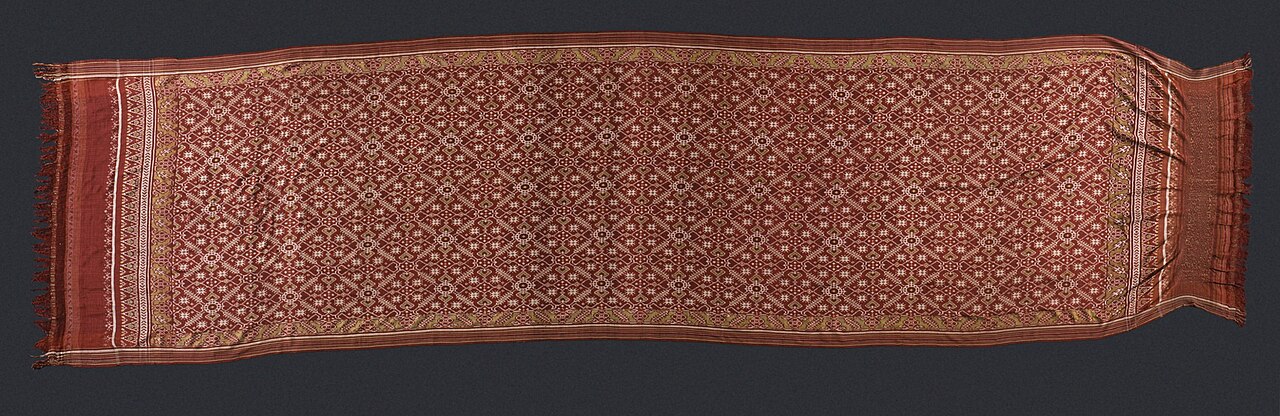
The Indian stars on the carpet leaned into heritage too. Alia Bhatt arrived in an intricately embellished black-and-gold ensemble by Ritu Kumar, with a strapless, corset-style bodice, a flared and heavily patterned skirt, and a sheer black dupatta draped around her neck like a cape. Long gold earrings, an ornate arm cuff and a sleek middle-parted bun completed the look. Sonam Kapoor chose a couture ensemble by Anamika Khanna, inspired by a portrait by artist Amrita Sher-Gil, with a hand-painted chiffon saree under a rich emerald velvet overcoat, finished with jewellery from Anjali Bhimrajka and Amrapali Jewels. British actor Simone Ashley paid tribute to her Tamil heritage in an ensemble created by Swadesh in collaboration with Manish Malhotra, celebrating the Kanjeevaram weaving technique in pure mulberry silk and gold zari tissue, woven by master weaver Rajesh Sha over 700 to 750 hours. Mira Kapoor made her statement in a striking cobalt-blue ensemble by Atsu Sekhose, while Rakul Preet Singh, Khushi Kapoor, Bhumi Pednekar, Diana Penty, Nimrat Kaur and Mouni Roy added their own interpretations to the evening.
Why this carpet mattered
A green carpet is usually a parade of gowns. This one doubled as a showcase for Indian design and conscious luxury. Handloom hours, heritage weaves and homegrown designers stood beside royal jewels and couture, and the theme held together because the Earthshot Prize itself is about ideas built to last. Craft that takes hundreds of hours to make, worn and treasured rather than discarded, fits that story neatly. For Indian designers, the visibility is the real prize. A single image of Catherine in a Mahima Mahajan anarkali travels further than any runway show, and a Kanjeevaram woven over 750 hours becomes a talking point in living rooms far from Mumbai. What to watch now is whether the night turns into orders, collaborations and new commissions for the labels involved, and whether the anarkali and the hand-painted saree shape red carpet choices through the rest of awards season. The evening’s other guests, from Oscar winner Rami Malek to cricket icon Sachin Tendulkar, gave the night its star power. The clothes gave it its identity.
Sources: The Tribune; Vogue UK