
Field Marshal Munir’s Miran Shah Visit Puts KP’s Security Fight Back in Focus
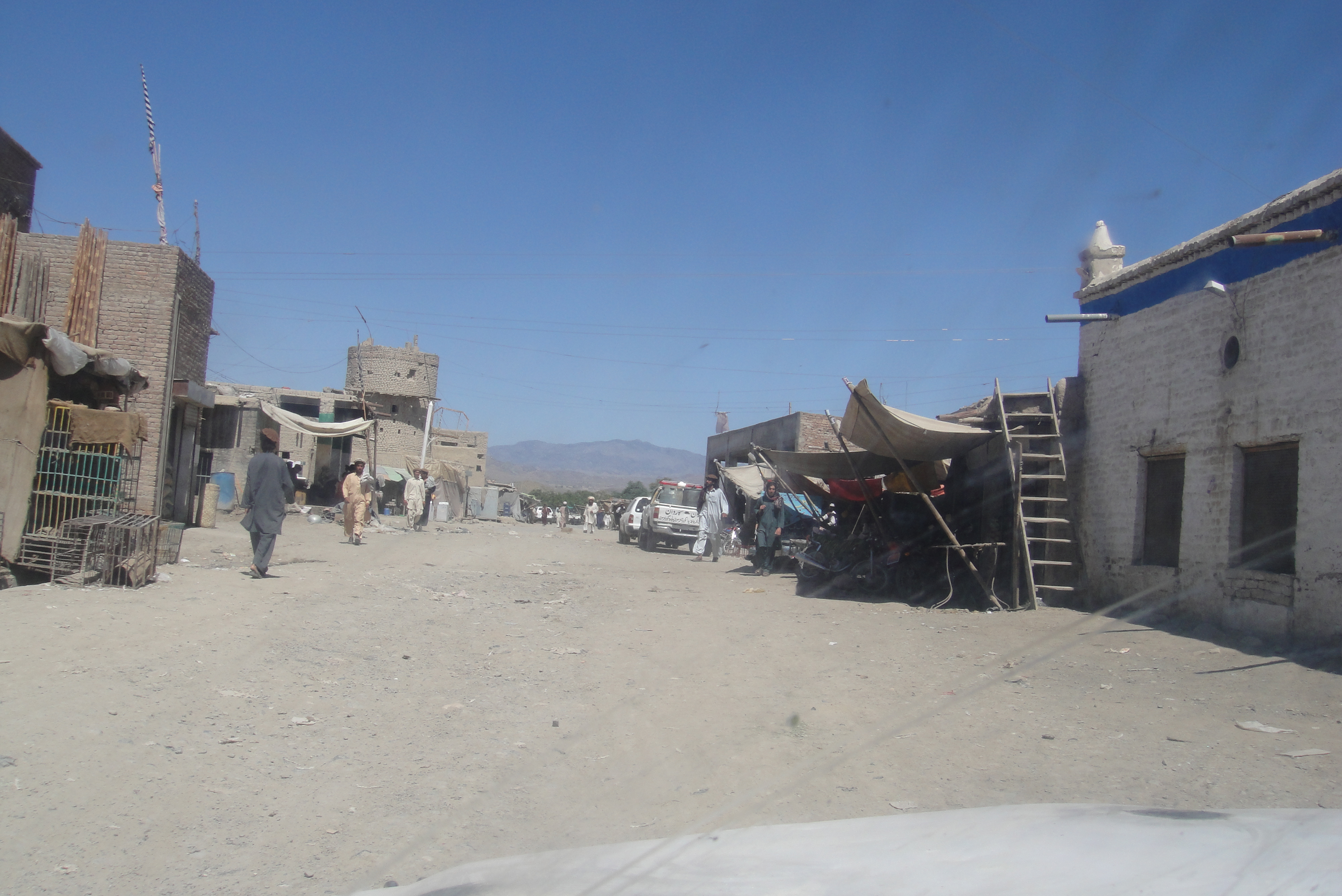
Pakistan’s top military commander chose one of the country’s most sensitive districts for a high-profile visit on Friday, and the message was deliberately simple: the fight against militancy in Khyber Pakhtunkhwa is not winding down. Chief of Defence Forces and Chief of Army Staff Field Marshal Asim Munir visited Miran Shah, the main town of North Waziristan, where he was briefed on security operations and met troops stationed in the district. The military’s media wing said he reaffirmed the security forces’ resolve to eliminate terrorism and protect what it called the hard-earned peace of the province.
What happened in Miran Shah
Field Marshal Munir was received on arrival by the Peshawar Corps commander. He laid a floral wreath at the Yadgar-i-Shuhada, the martyrs’ memorial, to honour soldiers killed in the fight against militancy, and spent time with officers and troops, praising their preparedness and professionalism. His briefing covered the security situation, ongoing intelligence-based operations and steps to hold gains from sustained counterterrorism efforts, the Inter-Services Public Relations (ISPR) said. He also singled out the Khyber Pakhtunkhwa Police, describing it as a brave frontline force and expressing pride in its resilience and sacrifices against Fitna-al-Khawarij, the term the state uses for the banned Tehreek-i-Taliban Pakistan.
Why the timing matters
The visit came a day after a similar trip to Turbat in Balochistan, where the field marshal was briefed on the security environment, operational preparedness and operations against what the military describes as externally sponsored terrorism. Together, the two visits in two days show the security establishment sees KP and Balochistan as one connected challenge, not two separate ones. It was also his third reported visit to North Waziristan since he became army chief.
The timing is political as well as operational. In October, the federal government imposed emergency and governor’s rule in KP, saying the provincial government had deliberately disengaged from the fight against terrorism. A visit by the army chief to the province’s most troubled district lands in that charged atmosphere.
The numbers behind the visit
Behind the visit, the recent figures tell a mixed story. The Pakistan Institute for Conflict and Security Studies reported a sharp fall in violence in October, with attacks across Pakistan down 37 percent, deaths down 57 percent and injuries down 71 percent compared with September. In mainland KP, attacks fell from 58 to 40 and deaths from 90 to 38, while Balochistan saw attacks drop from 132 to 71. The merged districts, which include North Waziristan, recorded 30 attacks against 34 in September.
But the violence has not stopped. Security forces killed 74 terrorists in intelligence-based operations across KP and Balochistan last week, the ISPR said, and four troops, including a major, were martyred while 24 terrorists were killed. On 14 November, 16 terrorists, including two Afghan nationals, were killed in operations in the Mir Ali, Datta Khel and Ali Khel areas of North Waziristan, while two soldiers were martyred. On Friday, state-run Radio Pakistan reported that security forces had stopped militants trying to flee Mir Ali disguised as women in a rickshaw.
What to watch next
For residents of North Waziristan, the visit will be judged by what follows: whether operations keep their current pace, whether the October improvement holds through winter, and whether the province’s police, praised on Friday, get the backing the army chief’s words suggest. The other question is political. With governor’s rule in place in KP, the military’s public messaging and the federal government’s stance are now closely aligned. How the province’s elected leadership responds will shape whether the security campaign and the political standoff stay on separate tracks.
Sources: Dawn, The Express Tribune, Geo News, Dunya News.