
Democrats to revive Supreme Court reform plans after winning Congress
Democrats are preparing to revive long debated plans to reshape the Supreme Court after winning control of both chambers of Congress in the midterm elections. The party is expected to hold at least 250 seats in the House and at least 54 seats in the Senate, giving it control of the confirmation process and a platform for proposals that have stalled for years.
Control of the Senate changes the confirmation fight
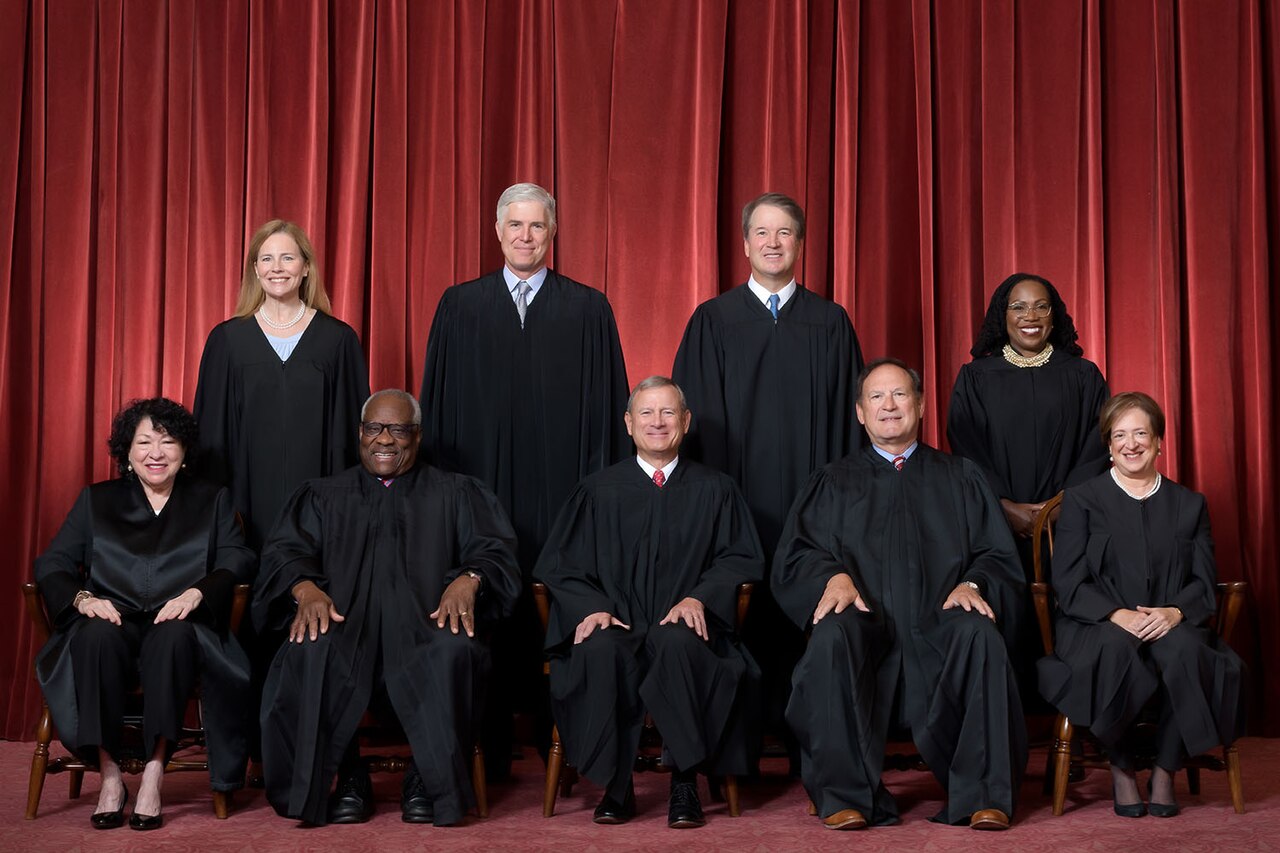
The most immediate effect is on nominations. With Democrats set to hold at least a 54 seat majority starting on January 3, the White House is poised to lose its path to easy confirmation of judges, including for any future vacancy on the court, which gained its 6-3 conservative majority during President Donald Trump’s first term. Trump has appointed three of the nine justices and has spoken of at least one more vacancy during the remainder of his second term.
Some Democrats have talked about blocking Trump’s potential Supreme Court nominees, pointing to the way Republicans blocked President Barack Obama’s choice for nearly a year after Justice Antonin Scalia died in February 2016. Senator Richard Blumenthal has said it is slim to none that Democrats would support a nominee from this administration. Republicans are meanwhile using the lame duck session to confirm as many of Trump’s remaining nominees as possible.
Term limits and a bigger bench
The most far reaching proposals would change how long justices serve and how many sit on the court. Four Democratic senators proposed in July to set 18 year terms for justices, with a new justice seated every two years. Senator Sheldon Whitehouse, who is set to chair the Senate Judiciary Committee, has said term limits and regular appointments would make the court more representative of everyday Americans.
A separate proposal, the Judiciary Act led by Senator Ed Markey and Representative Hank Johnson, would expand the court from nine justices to 13, a number supporters say would match the 13 federal appellate circuits. Some legal scholars say ending lifetime tenure would require a constitutional amendment.
Ethics rules return to the agenda
Ethics rules are likely to move first because they have drawn the broadest support. The court has no binding ethics code, and reports in 2022 about lavish travel accepted by Justice Clarence Thomas from Republican donor Harlan Crow added fuel to the debate. The House passed Supreme Court ethics legislation during the first two years of the Biden administration, but it stalled in the Senate. Senator Whitehouse and Representative Hank Johnson reintroduced ethics legislation in 2025, including rules for disclosing gifts, income and reimbursements. The center-left think tank Third Way unveiled a strategy on Thursday focused on term limits and judicial misconduct.
The obstacles: veto, 60 votes and the calendar
Even with both chambers, Democrats face hard limits. Most legislation needs 60 votes in the Senate, and Democrats are expected to hold 54 to 56 seats, below that threshold. Trump could also veto measures such as term limits or expanding the number of justices, and Democrats would lack the votes to override him with a two-thirds majority. Law professor Carl Tobias has said passage may only be possible if Democrats keep their majority in 2028 and win the presidency. House Democratic Leader Hakeem Jeffries has called for dramatic reform, and the Congressional Black Caucus has said it will pursue reform, including term limits, after a ruling in Louisiana v. Callais that critics say weakened the Voting Rights Act. Senator-elect Juliana Stratton has said all options should be on the table, and Senator-elect Peggy Flanagan has called for adding seats.
Source: Policy-Wire (https://policy-wire.com/democrats-prepare-to-revive-supreme-court-reform-plans-following-major-electoral-sweeps/)