
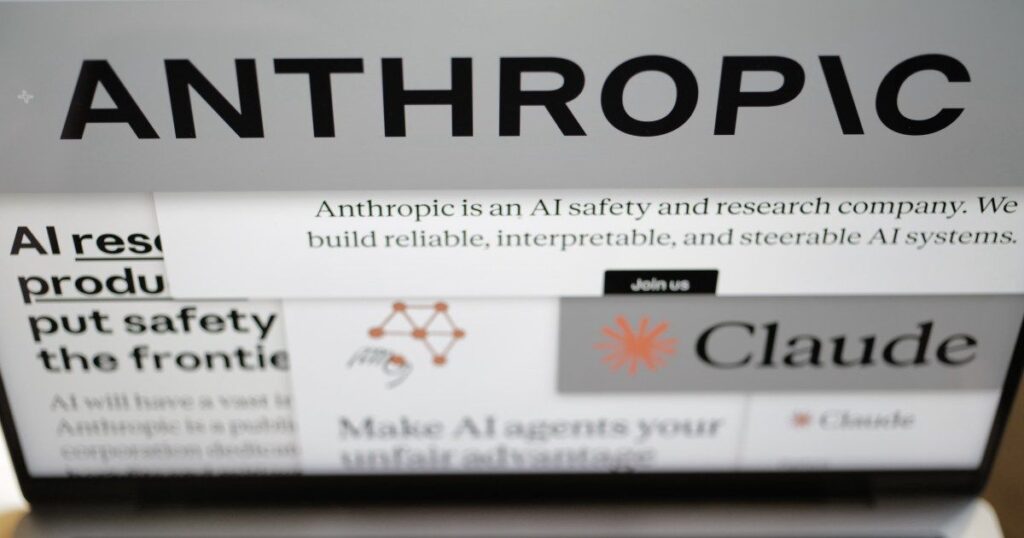
Anthropic pledges 5% of its shares to a public‑benefit fund
Anthropic, the creator of the AI assistant Claude, announced on Sunday that it will set aside five percent of its stock for a new “Anthropic Public Benefit Fund.” The allocation will take effect immediately, pending approval from shareholders, and the company says an additional two percent can be added at the board’s discretion each time the firm’s market value rises by fifty percent.
In a blog post the San Francisco‑based firm explained that the fund’s structure means the larger Anthropic grows, the greater the portion of the company that can be devoted to public good. “It is common practice for tech companies to offer escalating compensation awards to their executives. We are instead directing that equity to the public benefit,” the post read.
The fund may support traditional nonprofit organizations as well as direct payments to specific groups. Anthropic highlighted labor‑market disruption caused by AI as a potential focus area, noting it has already committed $200 million to research and mitigation efforts. “The Fund will have the versatility to pursue them,” the company added.
Anthropic, incorporated as a public benefit corporation in Delaware, clarified that the fund will not be used for lobbying or political donations in the United States or abroad.
Founded in 2021 by former OpenAI employees, Anthropic is preparing for what could become the largest public offering in history. Analysts expect the company to list on a U.S. exchange before the end of 2026, with a valuation projected to exceed $2 trillion. Its charter obliges leadership to balance shareholder returns with responsible AI development.
The rapid pace of AI advancement has sparked concern about its societal impacts, especially on employment. A McKinsey report released last month estimated that up to 11 million American workers may need to change careers within the next decade due to AI‑driven automation.