
Inflation and government borrowing hit one‑year highs ahead of next week’s Budget
UK inflation rose to 3.5 % in the year to September, the strongest pace since October 2025, while government borrowing jumped to almost £25 billion in the same month, pushing the fiscal year’s total £6 billion above the Office for Budget Responsibility’s forecast. The numbers add pressure to Chancellor John Healey as he prepares his first Budget in a week.
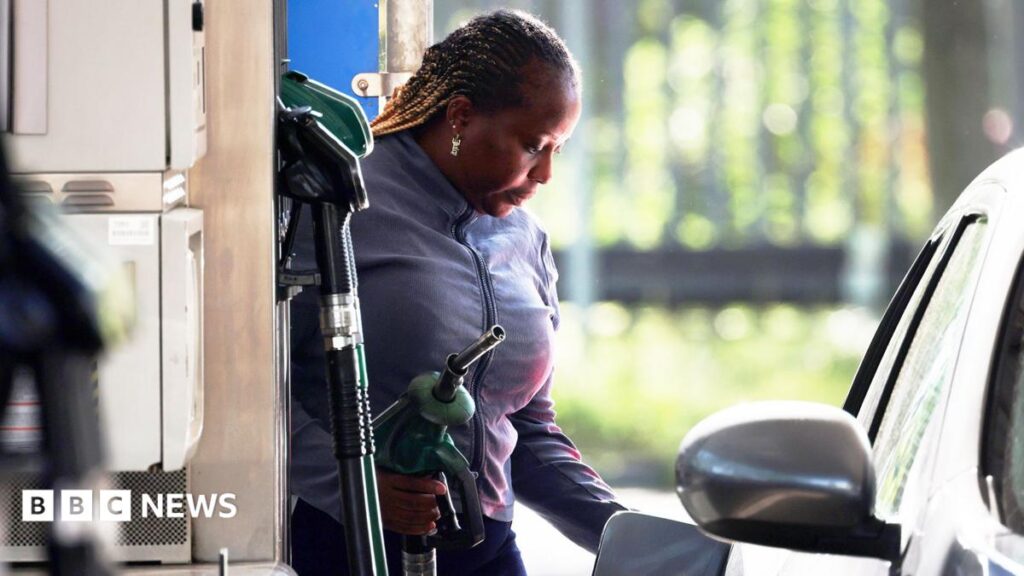
The Office for National Statistics said price growth accelerated from 3.1 % in the year to August to 3.5 % in the year to September. The surge was driven largely by sharp increases in petrol and diesel. The average petrol price rose by 8.2 pence per litre to 169.5 pence, while diesel climbed to 192.5 pence per litre, taking motor‑fuel costs up 29.8 % over the period. ONS chief economist Grant Fitzner called the rise “notable” and noted that higher air‑fares, computer‑game prices and live‑event tickets also contributed.
The inflation figure matters for benefit adjustments in April. The state pension is expected to increase by 3.9 %, matching the triple‑lock rule that ties rises to average wage growth. Other benefits such as Personal Independence Payment and Carer’s Allowance must rise in line with the September consumer price index.
Healey, who has pledged not to raise income tax, National Insurance or VAT, said the price pressures stem from conflicts in the Middle East and Europe that are tightening global oil supplies. He pointed to recent Iranian actions that closed the Strait of Hormuz and to ongoing attacks on oil infrastructure in Russia and Ukraine as key factors. Healey also highlighted praise from the International Monetary Fund for the UK’s fiscal discipline and the government’s decision to develop the Jackdaw gas field in the North Sea. He promised that the Budget on 28 October will “keep up this momentum”, adhere to the government’s fiscal rules and deliver growth across the country while giving families and businesses some breathing space.
The ONS reported that borrowing in September reached £24.5 billion, £1.8 billion more than a year earlier, as higher inflation lifted debt‑interest costs. The cumulative overspend means the government has borrowed £6 billion more this year than the OBR had projected. Although total public debt topped £3 trillion for the first time, the debt‑to‑GDP ratio fell, a key measure for the government’s fiscal targets.
The opposition Conservatives seized on the data, accusing Labour of losing control of the economy. Shadow Chancellor Andrew Griffith urged Healey to use the Budget to tackle the deficit, cut red tape and reduce the costs associated with net‑zero policies, promising tax cuts, lower benefit expenses and a reduction in “wasteful” spending to make the country “prosperous again”.
Ruth Gregory, deputy chief UK economist at Capital Economics, described the borrowing figures as painting a “dismal picture” ahead of the Budget. She noted that September’s borrowing exceeded both analyst expectations and the OBR’s forecast, reinforcing her view that the Chancellor is likely to deliver a cautious Budget with limited impact on the economy and defer the toughest fiscal choices to the following year.