
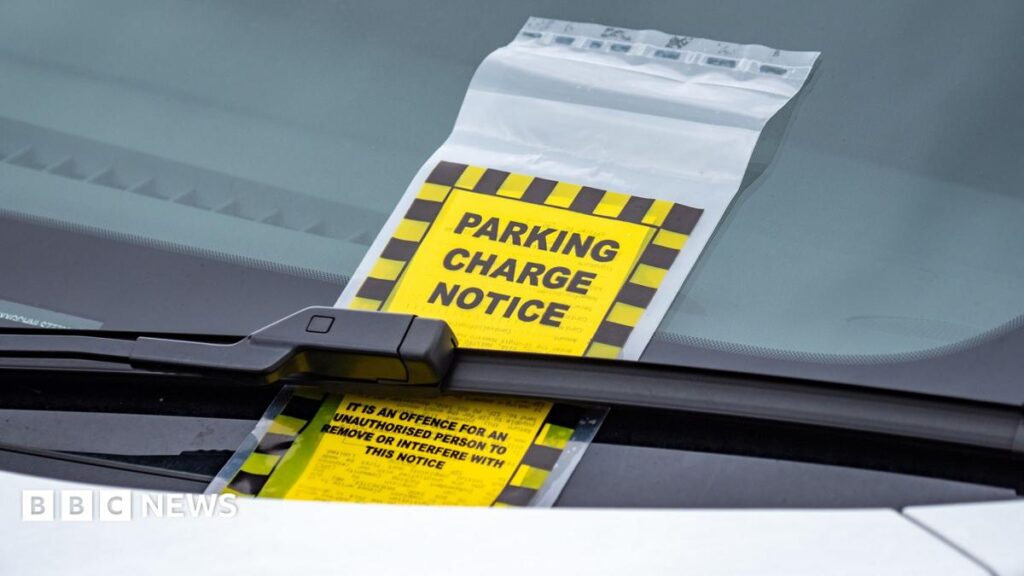
Burnham pledges to end “rip‑off” private parking fines under new regulations
Drivers will soon be able to contest private parking penalties and enjoy greater leeway when using privately run car parks, following rules announced by Andy Burnham. The prime minister said the changes respond to worries that private operators were imposing overly harsh fines that left motorists unfairly penalised.
Under the new framework, charges will be cancelled for honest errors such as stopping to check directions, and for situations where ticket machines are out of order. Motorists will also receive a ten‑minute window to exit a car park without incurring a penalty.
Motoring organisations welcomed the reforms but warned that further action is needed to stop unjust charges. Private car parks, which differ from council‑run facilities and street parking, have seen a surge in tickets. RAC analysis of government data shows that 17 million private parking tickets were issued in 2025‑26, a 17 percent rise on the previous year. With each fine able to reach £100, the daily potential liability for drivers could exceed £4.6 million.
One notable case involved a woman who faced a £1,906 court claim after taking more than five minutes to pay at a Derby car park; the charge was later withdrawn.
“Being a few minutes late back to your car or typing one digit of your number plate wrong shouldn’t end with a hefty fine landing on your doormat,” Burnham said. He added that such penalties leave “people feeling ripped off and out of pocket”.
The new rules will give drivers:
- A guaranteed five‑minute period to decide whether to stay
- A ten‑minute window to leave without a penalty
- Cancellation of charges for circumstances beyond their control, such as vehicle breakdowns in car parks
- Cancellation of charges for honest mistakes, medical emergencies or broken ticket machines
- A maximum charge of £20 on appeal for minor slip‑ups like forgetting a parking permit, entering the wrong registration or failing to confirm the registration in the machine
- A freeze on the maximum parking charge at £100, matching the current private parking Code of Practice
The code will apply across England, Scotland and Wales. Operators who fail to comply could lose access to DVLA data, making it harder to pursue vehicle owners even if a charge is issued.
The government’s Private Parking Code of Practice has been seven years in the making. An act of Parliament in 2019 created the code, but it was withdrawn in 2022 after “resistance from the private parking industry”, according to the RAC. The current industry Code of Practice, devised by the British Parking Association and the International Parking Community, was introduced in 2024 and updated last year following a review.
Communities and Housing Secretary Angela Rayner told BBC Breakfast that parking “shouldn’t be a way of making money”. When asked whether the changes admit that motorists have been ripped off for years, she replied, “We’re calling time on it. They have regulated themselves and they have their appeals process but we’re giving it more meat now.” She described the existing fine levels as a “proportionate response to when people don’t follow the rules”.
Derek Millard‑Smith of the British Parking Association said the reforms would “increase trust” and that “deterrents work” when it comes to fine amounts, noting that penalties around £100 are considered sufficient to change behaviour.
Both the AA and the RAC called the new code a positive first step but said it does not go far enough. AA head of roads policy Jack Cousens said many drivers still pay fines they believe are unjust simply to avoid hassle and fear of legal action, and urged action on “the scourge of debt recovery fees”. He added, “Ultimately, we need to stop charges being issued in the first place, especially where the driver has done nothing wrong.”
Simon Williams, head of policy at the RAC, advocated banning debt recovery fees and replacing the current industry‑run appeals bodies with a single independent one. The government said it will consult on debt recovery fees and on other recommendations from the Competition and Markets Authority.