
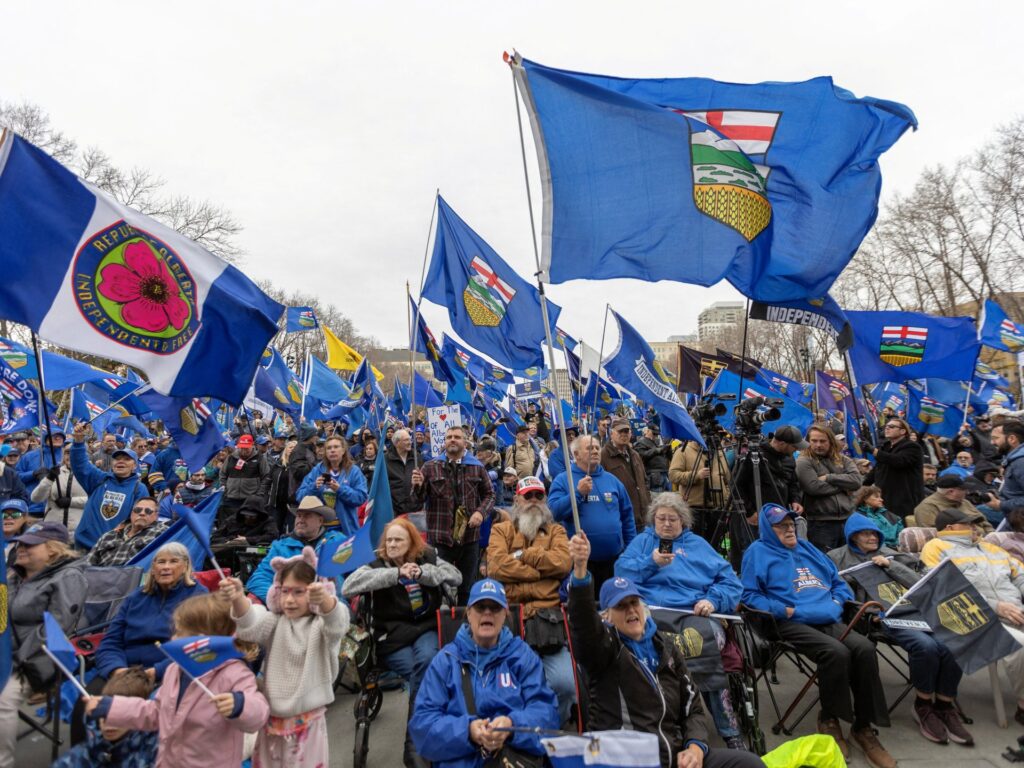
Alberta Independence Vote Raises Questions About the Future of the Separatist Cause
Cory Morgan has spent more than a quarter‑century advocating for Alberta to become an independent nation. On Monday, Albertans will cast their first ever votes on the issue. Even if the result is a “no,” Morgan says he will keep pushing. “I would respect the will of the voters,” he told Al Jazeera. “If they’ve decided it’s not time to go that route yet, then so be it. But that doesn’t mean I’ll stop.”
Morgan founded the advocacy group Pathway to Independence and is part of a veteran cadre of separatists who have moved a once‑fringe idea onto the ballot. The provincial referendum asks voters to decide whether to stay within Canada or to start a legal process that could lead to a future vote on secession. A “yes” to the second option does not instantly create an independent Alberta; any province seeking to leave would have to negotiate with the federal government, other provinces and Indigenous peoples.
Some separatist organizers have highlighted that lower‑threshold option to attract voters who may not desire full independence but want Ottawa to listen. “Strategic separatists and their leaders have been using that ambiguity, that lower‑bar threshold, to entice folks to vote not to leave, but rather to send Ottawa a message that Albertans need to be heard,” said Jared Wesley, a political science professor at the University of Alberta. Data from Viewpoint Alberta, a University of Alberta research initiative, indicates that about two‑thirds of those supporting the referendum do so for strategic reasons, hoping to make a point to the federal government. Morgan describes these voters as “reluctant separatists,” people who feel they have reached the end of their rope and simply want attention from Ottawa.
Prime Minister Mark Carney warned against using the vote as a messaging tool. “Don’t be fooled by the idea you can ‘send a message’ with your vote,” he told a pro‑Canada rally in Calgary on Thursday. “This is not poker. A vote against Canada is a dangerous bluff that will lead to years of deep division and great uncertainty.”
The separatist drive has deep roots. Alberta, home to the world’s fourth‑largest proven oil reserves, has long complained that it sends more money to Ottawa than it receives, and that federal energy policies curb the province’s oil potential. Morgan traces the grievance to the 1980s National Energy Program introduced by Pierre Trudeau, which used price controls, taxes and ownership rules to keep energy affordable while diverting Alberta’s revenues to the federal treasury. The program became a symbol of “Western alienation,” the feeling of disenfranchisement in Canada’s western provinces.
Those tensions resurfaced under Justin Trudeau, whose climate agenda—including a national carbon tax and emissions caps—angered Alberta’s oil sector. “We’ve been fighting about the same things for 50 years,” Morgan said. The COVID‑19 pandemic added another layer, as protests against health restrictions mobilised a new generation of conservative activists, reviving separatist sentiment. Trudeau stepped down as Liberal leader and prime minister in 2025 after a slide in the polls, and Carney succeeded him.
Last year, under pressure from separatist groups, Premier Danielle Smith’s government made it easier to call referendums, bringing the independence question onto the political agenda. Wesley argues that the referendum reflects internal dynamics within Smith’s United Conservative Party, whose members show higher support for separation than the province at large. “We’re having a referendum because Danielle Smith wants us to have a referendum,” he said. “She is looking to solve internal party matters by throwing a question to the broader public.” Smith, who called the vote, has said she opposes the independence effort, and on Octob