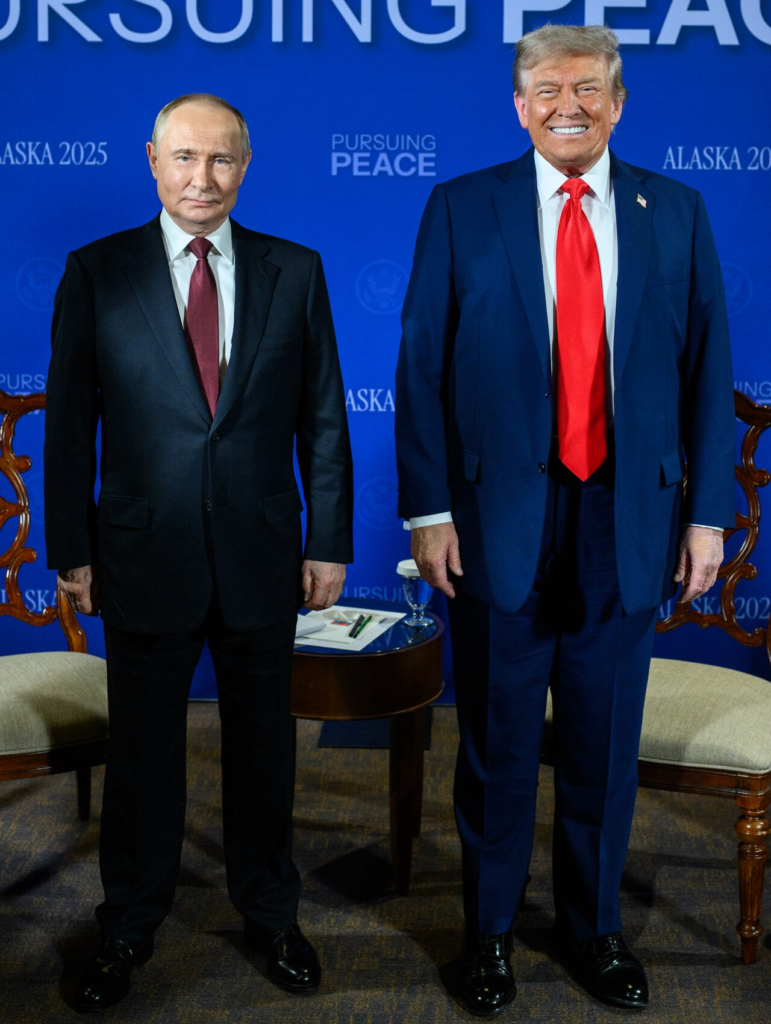
Trump’s ‘Friend’ Remark About Putin Splits Republicans as Intelligence Chief Draws the Line
One word has done more damage to Donald Trump’s week than any policy decision: friend. When the president called Vladimir Putin his friend at their Shenzhen meeting on November 19, he meant it as personal diplomacy. Four days later, the word is still being argued over on American television, in Congress, and inside his own party. On Sunday, America’s top intelligence official stepped in to defend it, and in doing so drew a line Trump himself has refused to draw.
A greeting that would not go away
The moment itself lasted seconds. Trump pointed at Putin across the room, joked, “Who is he?” and then answered his own question as he crossed over to shake his hand: “He’s my friend.” He repeated it online, posting a handshake photograph captioned “My Friend”. When a reporter asked at a White House briefing on Friday whether Russia was a friend to America, Trump sidestepped the question. “I can’t speak to America,” he said, before saying he and Putin had grown close during the investigation into Russian interference in the 2016 US election, which Trump still calls the “fake Russia, Russia, Russia hoax”.
The intelligence chief’s two messages
Director of National Intelligence Jay Clayton spent Sunday doing what Trump would not: answering the question, twice. On ABC’s This Week, Jonathan Karl asked him directly whether Putin was America’s friend. Clayton called the meeting historic and said the language was entirely appropriate for building personal rapport with the leader of another nuclear power. Then came the qualifier. “He is not America’s friend in Ukraine. Not at all. Not at all,” Clayton said. On CNN he added: “In that context, whatever language the president wants to use, I trust him completely.”
Clayton’s argument is that three nuclear powers talking is reassuring in itself. “It should be assuring that you have the three world nuclear powers getting together and saying: We’re not going to go in that direction,” he said. The Shenzhen meeting, the first confirmed three-way gathering of Trump, Putin and China’s Xi Jinping, ended with a statement about reducing nuclear risks, but no firm commitments.
A split inside the Republican Party
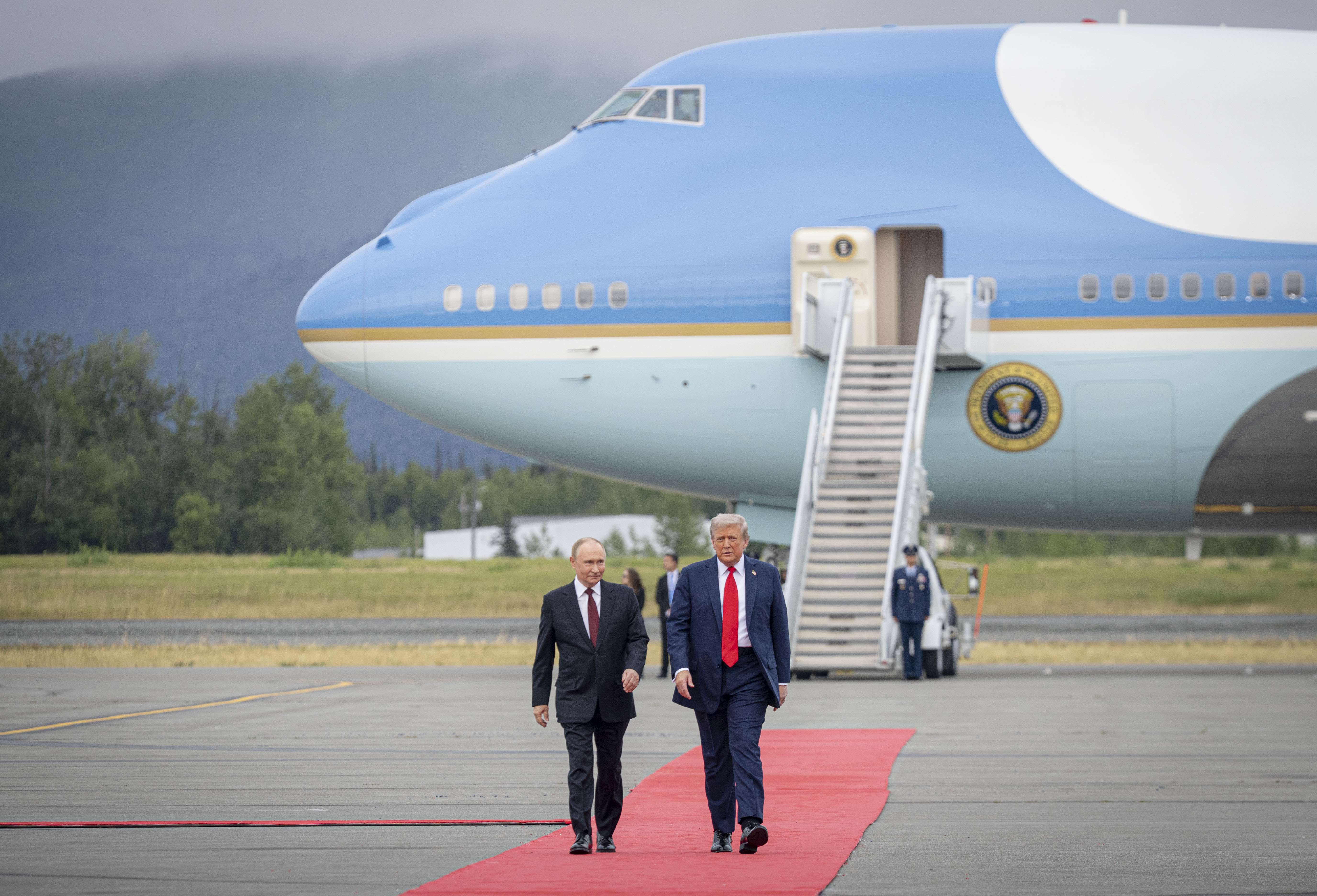
That distinction, personal rapport yes, national friendship no, shows how awkward the word has become for Trump’s own party. Republicans have traditionally presented themselves as the party that stands up to Moscow. Outgoing Representative Don Bacon accused Trump of “playing footsie” with Putin. “Traditionally, Republicans stood up to Russia and China,” Bacon said. “We stood for freedom, and we stood up for countries that shared our values.” It matters because Trump has praised Putin repeatedly, hosted him in Alaska in August 2025 for Putin’s first US visit in nearly a decade, while cooling American support for Ukraine and criticising President Volodymyr Zelenskyy for not cutting a deal with Moscow.
What it means for Ukraine
The timing is what turns a war of words into a real problem. Trump is pushing for a Ukraine peace deal before January, when Democrats take control of Congress. Every sign of warmth toward Putin makes it harder for Kyiv to trust that Washington is negotiating on its side. At the same time, the Shenzhen summit shows what Trump values most in the relationship: a direct channel to the leaders of the other two great nuclear powers. The question now is whether that channel produces a deal, or only photographs. If the peace push stalls, the “friend” remark will look less like a strategy and more like a substitute for one.
Featured image: Donald Trump and Vladimir Putin at the Russia-United States summit in Anchorage, Alaska, August 15, 2025. Photo: The White House (public domain).
Source: Al Jazeera