Iran’s chief negotiator says Americans voted ‘no to war’
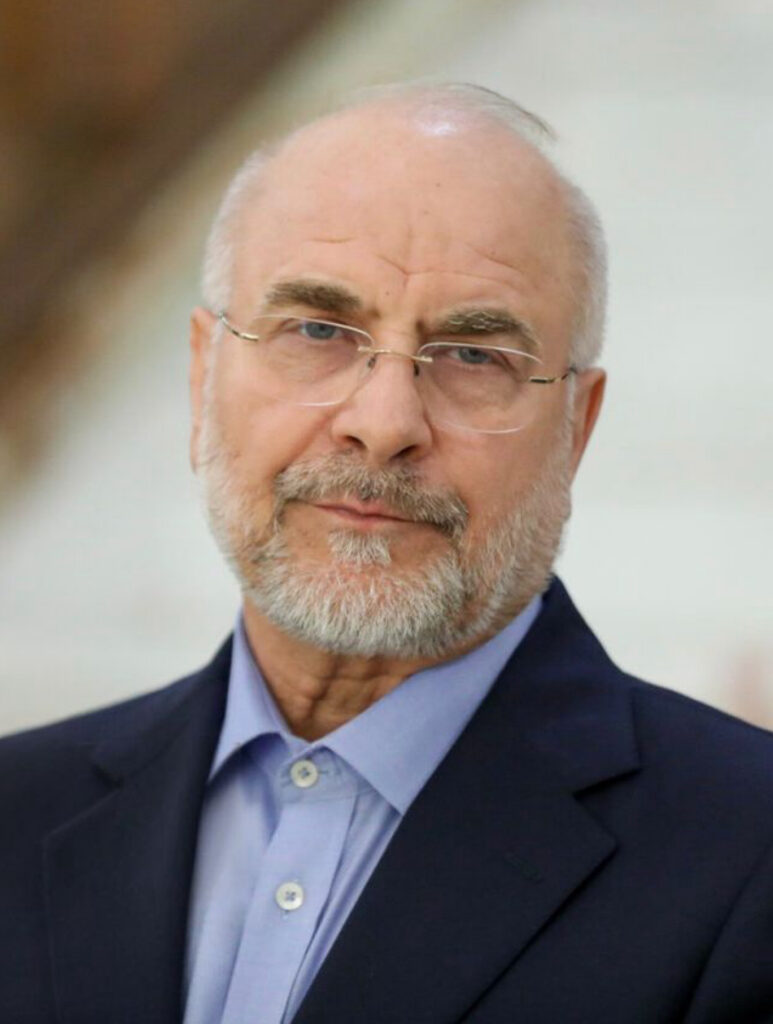
Iran’s chief negotiator in talks with the United States has said that Americans have said no to war, seizing on the outcome of the American midterm elections in which President Donald Trump’s Republican Party suffered a stunning defeat.
The message from Tehran
Parliament speaker Mohammed Bagher Ghalibaf wrote on X: “Conscience or the cost of living, Americans said NO TO WAR, and we endorse this message.” He warned that if the government in Washington betrays the public will to serve international paymasters and blackmailers, it will learn that Iran’s refusal comes with a nightmare.
Iran’s Supreme Leader, Mojtaba Khamenei, who has not been seen in public since the Iran war began, released a statement saying he did not expect US policy to change after the results. Anyone who thinks there will be any change from American hostility towards the Iranian nation is gravely mistaken, he said.
Trump’s response
Trump acknowledged on Tuesday that the poor results for Republican congressional candidates were partly due to the war and the related surge in petrol prices. But he insisted that he did not regret launching a joint attack with Israel on Iran in February.
In an interview with Fox News, Trump said of the midterm results that a part of it was Iran. He added that people agreed with what he was doing on Iran but were probably not willing to accept the short term consequence of paying more for gasoline. Speaking separately to the BBC’s US news partner, CBS News, Trump said the conflict would end when he says it ends.
In recent weeks, the president has warned that the US and Israel could return to all-out war after the midterms if a deal to end the conflict cannot be reached with Iran.
Rising tension in the Strait
Also on Wednesday, Iran’s Islamic Revolutionary Guard Corps said four oil tankers caught fire after hitting naval sea mines in the Strait of Hormuz. The Guard said two of the vessels were still burning, and two additional tankers had been intercepted, according to the semi-official Tasnim news agency, which said they were trying to travel through a prohibited southern route in the strait. The BBC has not independently verified the Guard’s claims.
The UK Maritime Trade Operations centre said a tanker was struck by two unknown projectiles about 14 nautical miles north-east of Limah, in Oman’s Musandam peninsula, on Tuesday evening. No casualties were reported. On Monday, an Indian crew member of a dhow, a wooden sailing boat, was killed in an attack north-east of Limah, while 13 other crew members were rescued by Omani authorities.
The Guard also reported on Wednesday that its forces had shot down another US MQ-9 drone over the Strait of Hormuz. It made a similar claim on Monday night, when US officials said the US military had carried out limited strikes on Iran’s Qeshm Island in response to the Guard firing on a US aircraft.
Talks stalled
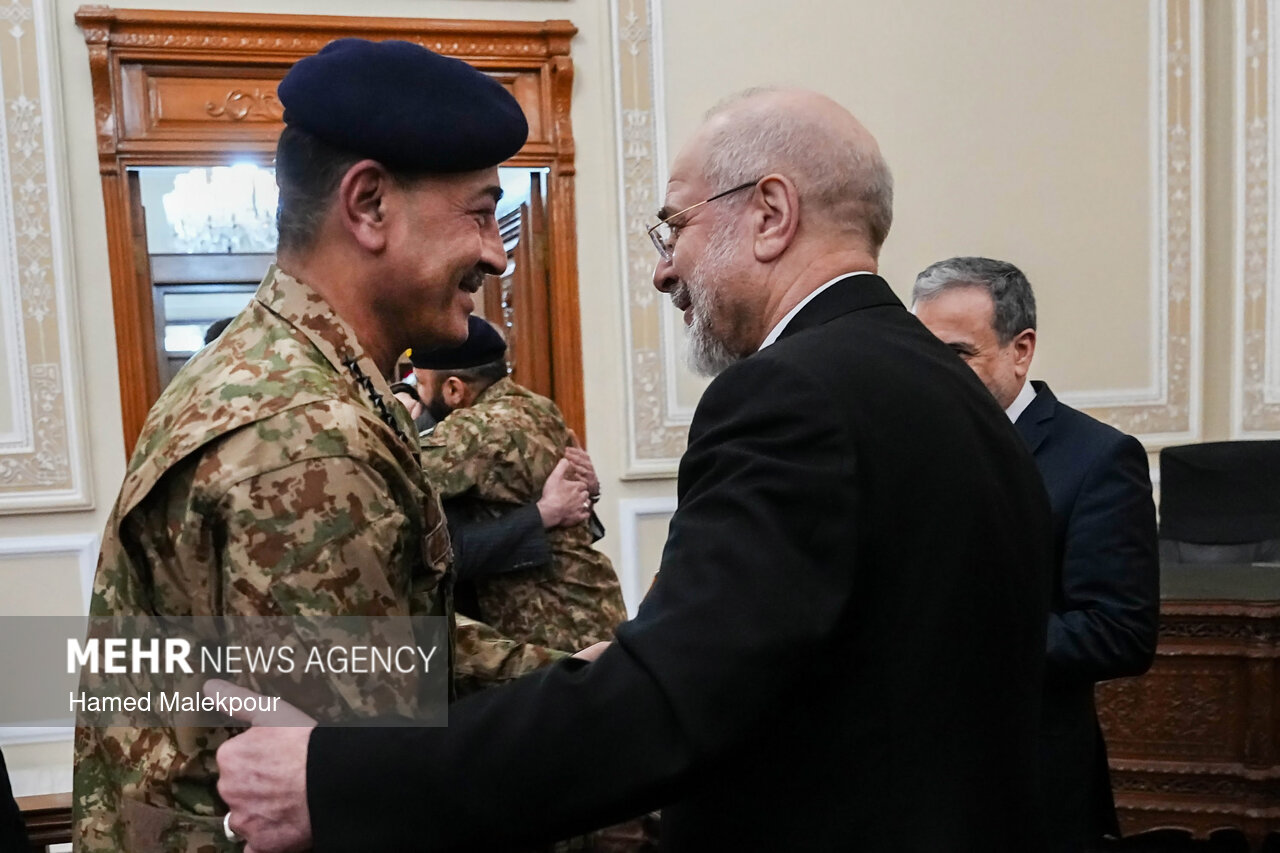
Indirect talks to end the conflict have been stalled for months. President Masoud Pezeshkian maintained on Tuesday that his government had been trying to resolve the crisis through dialogue, warning that no one will benefit from this war if it were to resume. He also emphasised that Iran’s Supreme Leader had granted the government powers to negotiate issues that he had previously considered off-limits.
Iranian foreign ministry spokesperson Esmaeil Baqai said on Monday that the basis of the current indirect negotiations mediated by Qatar remained a seven-step proposal that Iran submitted in September. He added that the proposal had been condensed, making it possible to implement it within two days.
The Strait of Hormuz, through which a fifth of global oil and gas shipments usually pass, was effectively closed after the start of the Iran war due to Iranian missile and drone attacks on commercial vessels and the US naval blockade. The US and Iran reached a preliminary agreement to end the war and reopen the strait in June, but it collapsed within weeks after Iranian attacks on shipping resumed and the US reinstated its blockade. To keep exports flowing from Gulf Arab states, the US military has been providing protection for tankers shuttling oil through the strait.
Source: BBC News (original story).