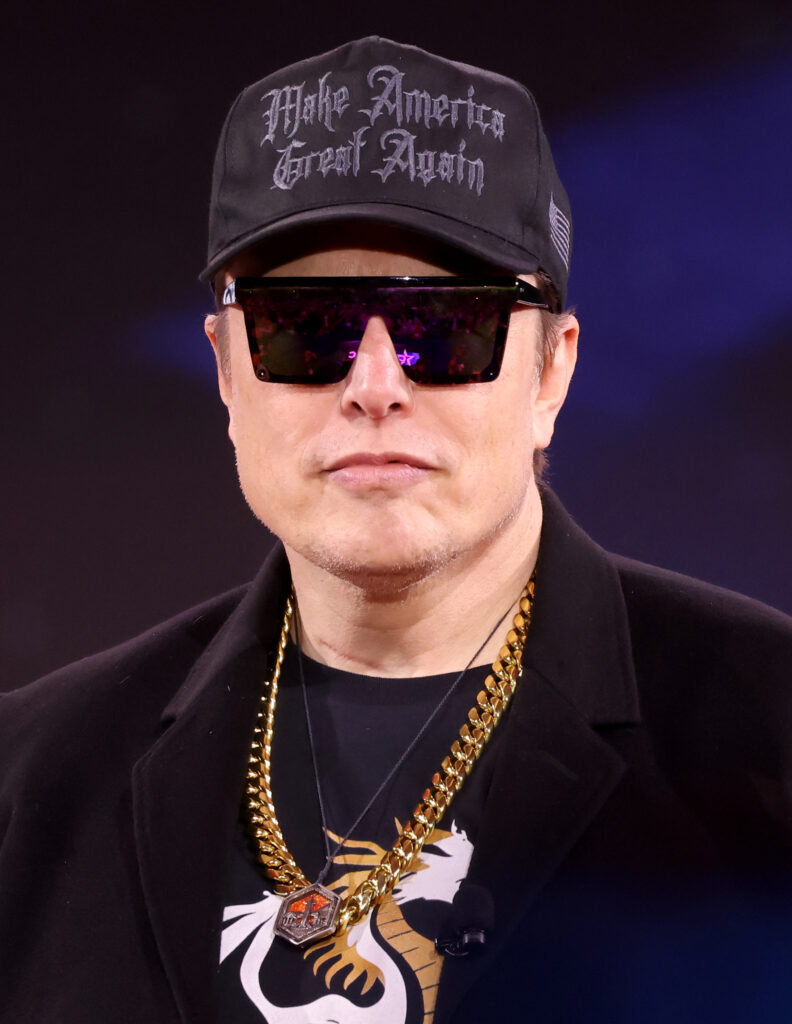
Elon Musk’s record election bet backfires as backed candidates lose
Elon Musk spent a record of at least $474 million on the 2026 midterm elections, according to a CNBC analysis of campaign finance records, only to see many of the candidates he backed lose as Democrats swept to control of Congress.
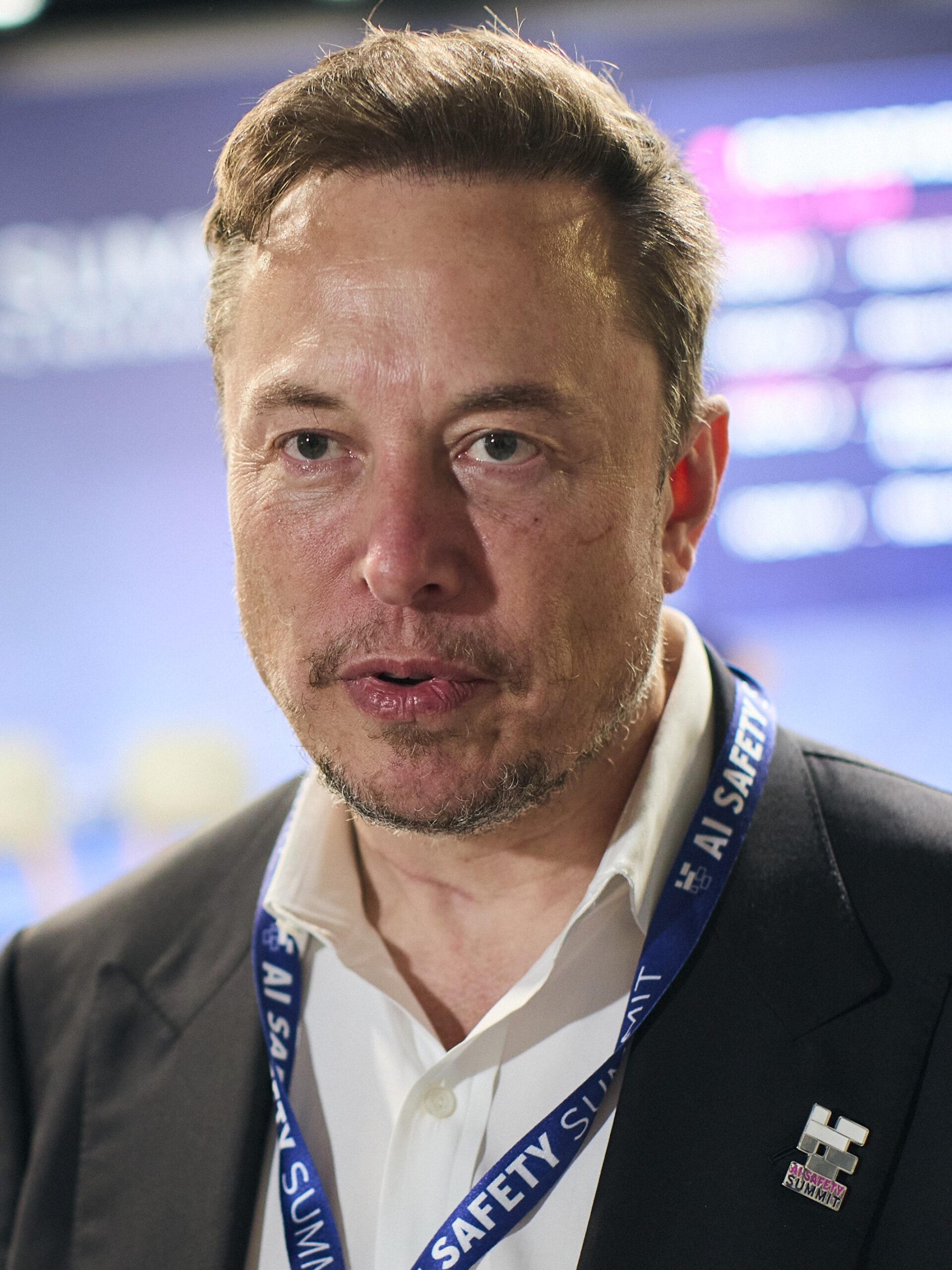
Texas at the center
Musk funneled $224 million, nearly half of his total spending, into Texas alone, according to the CNBC analysis. His favored candidates there, Republican Senate nominee Ken Paxton and Governor Greg Abbott, were both defeated in the Democratic wave.
Texas has grown into the home base for much of Musk’s business empire. Tesla operates its largest United States vehicle factory outside Austin, SpaceX launches rockets from its Starbase complex in South Texas, and Musk is pursuing additional investments in artificial intelligence and semiconductor manufacturing. Those operations rely heavily on state decisions about electricity, water, environmental permits, infrastructure and tax incentives.
Democratic Governor-elect Gina Hinojosa campaigned against generous corporate subsidies and against Musk himself. She has called for a moratorium on new data centers, an end to industry tax breaks, and requirements that developers cover their full electricity costs. In her victory speech, she vowed to take power from the powerful people who have gotten very comfortable running this state. Republicans still control the legislature, which limits her ability to overhaul state policy, but a tougher approach to permitting and business incentives could complicate Musk’s expansion plans.
Losses across the country
Nationwide, Musk’s America PAC spent nearly $87 million across 44 federal races, according to a CNBC analysis of Federal Election Commission filings. By Wednesday morning, Republicans it backed had lost 29 contests and won just three, with 12 still uncalled. More than $80 million, or 93 percent of its spending, went toward races Republicans lost.
The defeats are not the first time Musk’s political spending has failed to produce his desired result. America PAC backed eight losing congressional candidates in 2024, and last year Musk spent more than $20 million trying to elect a conservative in Wisconsin. Although Musk promised last year to spend a lot less on politics, he ultimately became the biggest known donor in the 2026 midterms.
A wider backlash against tech
Across the country, voters pushed back against billionaire influence and the growing power of technology companies, electing critics of the artificial intelligence industry and approving restrictions on the data centers fueling its expansion.
Musk was not the only tech figure who spent big. OpenAI President Greg Brockman and his wife, Anna, contributed $25 million to Leading the Future, a political operation seeking to shape AI regulation, according to FEC filings. Venture capital firm Andreessen Horowitz contributed another $50 million.
In Ohio, Democrat Sherrod Brown defeated Republican Senator Jon Husted after attacking his support for data centers. Democrats spent nearly $28 million on advertisements criticizing data centers, according to AdImpact. In South Carolina, Democrat Annie Andrews defeated Republican Senator Darline Graham despite a late advertising push by Building the Future, a new data center industry super PAC, while Andrews campaigned for a two year moratorium on new data centers.
Nationwide, campaigns and outside groups spent $173 million on ads about data centers during the 2026 general election, with the ads almost entirely negative, according to AdImpact. Democratic advertisers accounted for $140 million of that spending. Voters also considered 41 local data center measures, with at least 10 communities approving bans or restrictions. JPMorgan Asset Management estimates the AI infrastructure buildout could cost roughly $5 trillion through 2030, including about $2 trillion financed through investment grade debt markets.
What it means for Musk’s companies
The defeats rattled markets overnight, sending Tesla shares lower and putting broader tech stocks under pressure as Democrats secured control of Congress. The outcome leaves Musk with fewer allies in a Democratic-controlled Congress that could investigate his federal contracts, his past leadership of the Department of Government Efficiency, and his companies’ ties to Washington.
President Donald Trump still controls executive agencies and holds veto power, which limits Democrats’ ability to reverse policies that benefit Musk’s defense tech businesses. In his victory speech, Texas Senator-elect James Talarico said: “We must get big money out of our politics, so no billionaire or trillionaire can buy our elections.”
Source: CNBC (original story).