UK and France deepen military support as Saudi‑Houthi war intensifies
France and the United Kingdom have each moved to send forces to Saudi Arabia, tightening defence cooperation with the kingdom as its fight against Yemen’s Houthi rebels escalates. Paris announced last week that it had begun transferring assets to Saudi Arabia under a previously outlined pact, following President Emmanuel Macron’s pledge to deploy troops and air‑defence systems to protect the Red Sea port of Yanbu, which has been hit by Iran‑backed Houthi attacks.
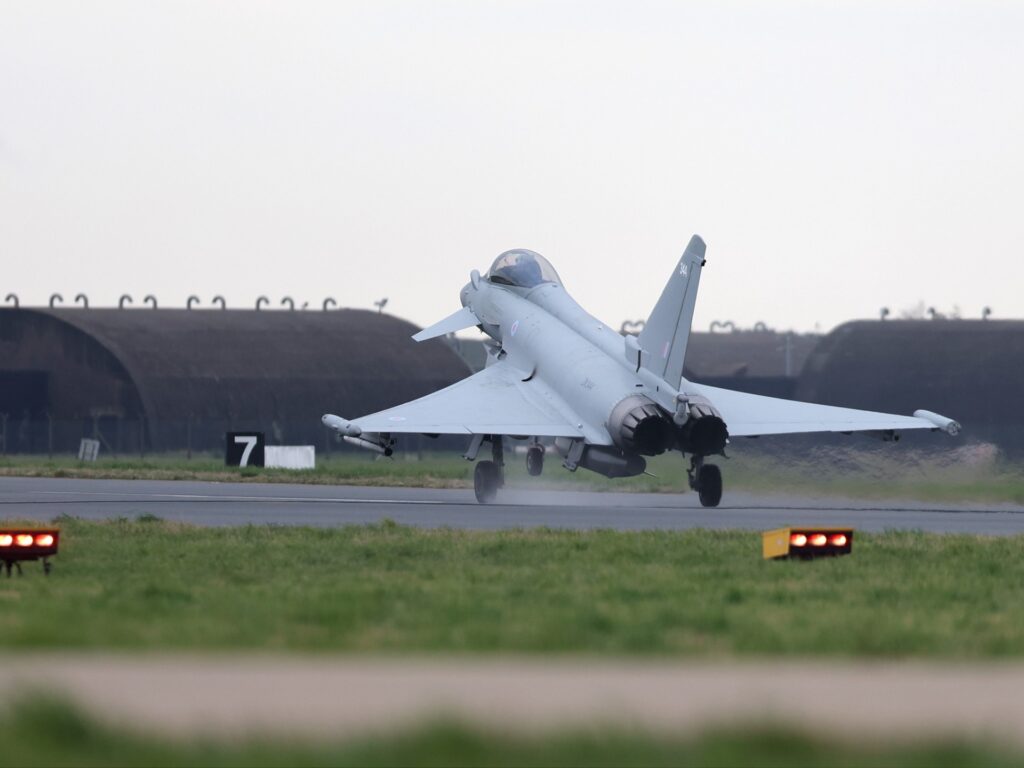
The United Kingdom, on Tuesday, said it would also send fighter jets to help shield Saudi Arabia from Houthi strikes. Both governments say their assistance is strictly defensive.
Analysts argue the European deployments pursue several strategic aims: safeguarding Saudi oil exports that feed European energy markets, reinforcing a Gulf alliance at a time when the United States is hesitant to provide direct military aid to Riyadh, and bolstering deterrence against future Houthi aggression. At the same time, experts warn the moves could pull the two European powers deeper into the long‑running Saudi‑Houthi conflict.
Burcu Ozcelik, senior research fellow for Middle East Security at the Royal United Services Institute, told Al Jazeera, “If insufficiently deterred, the Houthis may decide that the moment is ripe to test the resolve and resilience of Saudi Arabia’s defensive posture, and attempt to draw Saudi Arabia’s allies even further into the Yemen‑Saudi confrontation.”
Saudi Arabia is currently confronting a sustained Houthi missile and drone campaign that targets energy and transport facilities. Recent Houthi attacks on Riyadh and Abha airports this month have killed 19 people and injured more than 300, according to coalition spokesman Turki al‑Maliki.
Reacting to the heightened British involvement, UK Defence Secretary Wes Streeting described the Houthi attacks as “absolutely despicable” and condemned the targeting of Riyadh airport. The Ministry of Defence said it will deploy Typhoon fighter jets for defensive counter‑air missions, send military advisers to work with Saudi staff officers, and provide an A400M transport aircraft to move defence material within the kingdom.
Macron said French support will include soldiers, radar units and defence systems, without specifying the exact scale. Urban Coningham, a research fellow at RUSI, noted that France’s role is largely limited to protecting Saudi export infrastructure, whereas the British will conduct defensive patrols, intercept incoming missiles or drones, and offer air‑to‑air refuelling for Saudi bombers and jets operating over Yemen.
Camille Lons, policy fellow and deputy head of the Paris office at the European Council on Foreign Relations, explained that France’s capacity to aid Saudi Arabia is constrained by the demands placed on European defences by the war in Ukraine. Nonetheless, she said, Paris views its assistance as a way to “show support [for Saudi Arabia] in times of crisis, and a way to deepen the defence partnership,” in conversation with Al Jazeera.
Saudi officials have welcomed the European deployments, noting that they have struggled to convert some security partnerships into high‑level military assistance. In September, former US President Donald Trump declined several Saudi requests to join strikes on the Houthis, agreeing only to provide intelligence and targeting support, according to Reuters.
Turkey and Pakistan have pledged “collective deterrence measures,” including possible troop deployments, under the newly signed Mecca defence pact with Saudi Arabia, though the agreement still awaits ratification in Turkey. Egypt’s parliament has also delayed a vote that would authorise its armed forces to support Riyadh.
Nawaf Obaid, senior fellow at King’s College War Studies Department, called the British and French deployments “militarily valuable and politically significant,” saying they could protect the kingdom’s vast territory from persistent Houthi air attacks while allowing Riyadh to focus on offensive operations. “The British Typhoons can reinforce Saudi air defences and, crucially, free up Saudi Eurofighters for offensive operations,” Obaid told Al Jazeera. “France’s contribution is particularly important for protecting Yanbu.” He added that Saudi Arabia “does not need foreign assistance to conduct air strikes,” but “what it needs is additional defensive coverage across its enormous territory, particularly for critical energy infrastructure.”
Ozcelik said the British move was “not insignificant”, but its deterrent effect remains uncertain. “The question remains whether the UK air missions will move the dial in deterring sustained Houthi attacks while Saudi air defences and interceptor stockpiles are stretched,” she said.