Nigeria’s First Ebola Case Identified as DR Congo’s Bundibugyo Strain, Officials Confirm
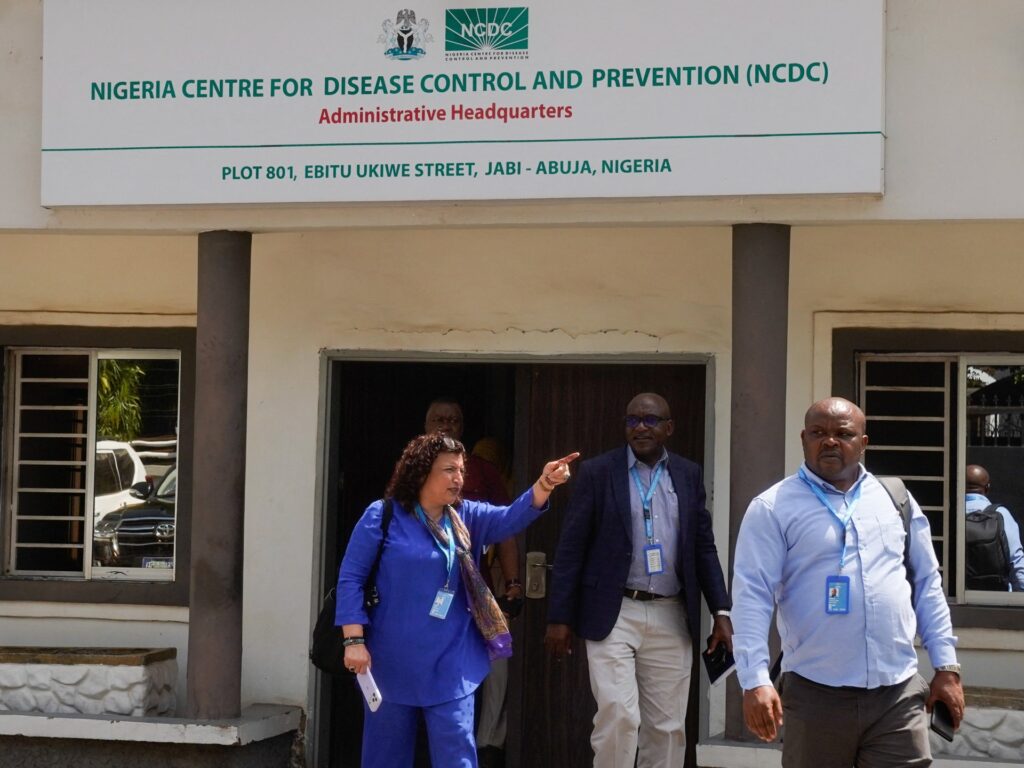
Nigerian health authorities announced that the country’s first Ebola infection has been confirmed as the Bundibugyo strain, the same variant responsible for the ongoing outbreak in the Democratic Republic of the Congo. The patient is a female diplomat who arrived in Abuja from Uganda on 3 October, according to the Nigeria Centre for Disease Control and Prevention (NCDC).
She was screened for Ebola on 19 October after officials learned of her recent travel to Uganda, a nation currently affected by the outbreak. The positive result was confirmed on Tuesday. “We performed three levels of molecular testing and identified the Bundibugyo strain,” said Olajumoke Babatunde, director of the NCDC’s public health laboratory service, on Wednesday. The World Health Organization also verified the strain, noting that there is no approved vaccine or specific therapy for it.
An unnamed source told AFP that the diplomat’s health has deteriorated into multi‑organ failure. Ayoade Alakija, a Nigerian physician who co‑chairs a G7 committee on global health investment, warned that it took 12 days from the onset of her symptoms before testing began, potentially exposing many contacts.
Nigerian officials have listed 44 contacts, most of them health‑care workers, including the patient’s husband, a Swiss national who lives with her in Abuja. Authorities are also tracing other passengers who traveled with her from Uganda, although they do not believe she was symptomatic during the flight. Health Minister Muhammad Ali Pate told the public broadcaster NTA that the woman is in isolation and receiving treatment.
The 2014 Ebola case in Lagos, which sparked fears of a rapid spread, was ultimately contained within three months, resulting in 20 infections and eight deaths. That epidemic claimed more than 11,000 lives across West Africa between late 2013 and 2016.
The WHO notes that Nigeria is the fifth country to detect the virus in the current outbreak, which has recently expanded across the continent, with Kenya reporting nine cases since 6 October. Africa Centres for Disease Control and Prevention Director‑General Jean Kaseya said on X that the crisis is “no longer one country’s fight” and announced a meeting of African health ministers next week to bolster cross‑border coordination and assess hospital capacity.
The DRC remains the epicentre of the outbreak, the deadliest on record, with more than 9,000 Ebola cases and over 4,000 deaths reported since mid‑May.