Kohat Police Lines Attack Mastermind Among Three Terrorists Killed in CTD Operation
KOHAT: The Counter Terrorism Department (CTD) on Friday killed three terrorists of the banned Ittihadul Mujahideen Pakistan, including the man police say planned the September suicide attack on Kohat Police Lines that left 21 people dead.
The joint operation by CTD Kohat and district police took place around 6:30pm near Mankara Hill on Bazeed Khel Road, after intelligence reports that armed members of the banned group had set up a checkpoint there. When the teams reached the spot, the men opened fire, and police returned fire. After the exchange ended, officers found three bodies. Some associates escaped, and a search is under way to track them down.
Who was killed
Two of the dead have been identified as Abdul Hai, a resident of Kohat, and Abdul Rashid, son of Noor Muhammad Khan, from Datta Khel in North Waziristan. The third man had not been identified when the report was filed. Police say Hai was the mastermind of the Kohat Police Lines suicide attack in September, and both men were also wanted in a bank robbery in Balitang in which Rs6 million was looted. Three submachine guns and nine magazines were recovered from the dead men.

The September attack they are linked to
The September attack on Kohat Police Lines was a two-pronged assault. An explosives-laden vehicle detonated near a mosque in the old Police Lines compound, and attackers then stormed the complex. At least 21 people were killed, including 15 police officials, and more than 100 were wounded. It was one of the deadliest attacks on police in Khyber Pakhtunkhwa this year, and the man police now say planned it had remained at large for two months.
The link to the Balitang bank robbery adds a second thread to the case. Police say the same men who planned a mass-casualty attack were also funding themselves through crime, which is a pattern seen in other militant cells in the province. The Rs6 million robbery gave investigators a separate trail to follow, and it may explain how the group sustained itself while planning the Police Lines attack.
Why this operation matters
For the families of the 21 people killed in September, the killing of the alleged mastermind is a measure of closure, though it comes two months late and through an encounter rather than a trial. No court will now test the evidence against Hai, which means the public record of what happened in September will rest on police statements rather than a prosecution.
The operation also shows the limits of the success. The militants were confident enough to set up a checkpoint on a public road in Kohat, and some of their associates escaped during the exchange of fire. That suggests the network around the group is still active. In a separate incident the same day, police in Lakki Marwat said they foiled another major attack, killing a suicide bomber and seizing a truck loaded with explosives, which points to pressure across the province rather than a single isolated cell.
What happens next
The search operation in Kohat is continuing to track down the men who escaped, and police say further arrests will follow as the investigation continues. The third dead man still has to be identified, which may open another line of inquiry into the group’s membership and reach.
The wider question is whether the CTD can move from killing individual planners to dismantling the networks that replace them. The September attack was planned over weeks, and the group behind it operated openly enough to run a road checkpoint. Until those networks are mapped and broken, operations like Friday’s will keep coming, one cell at a time.
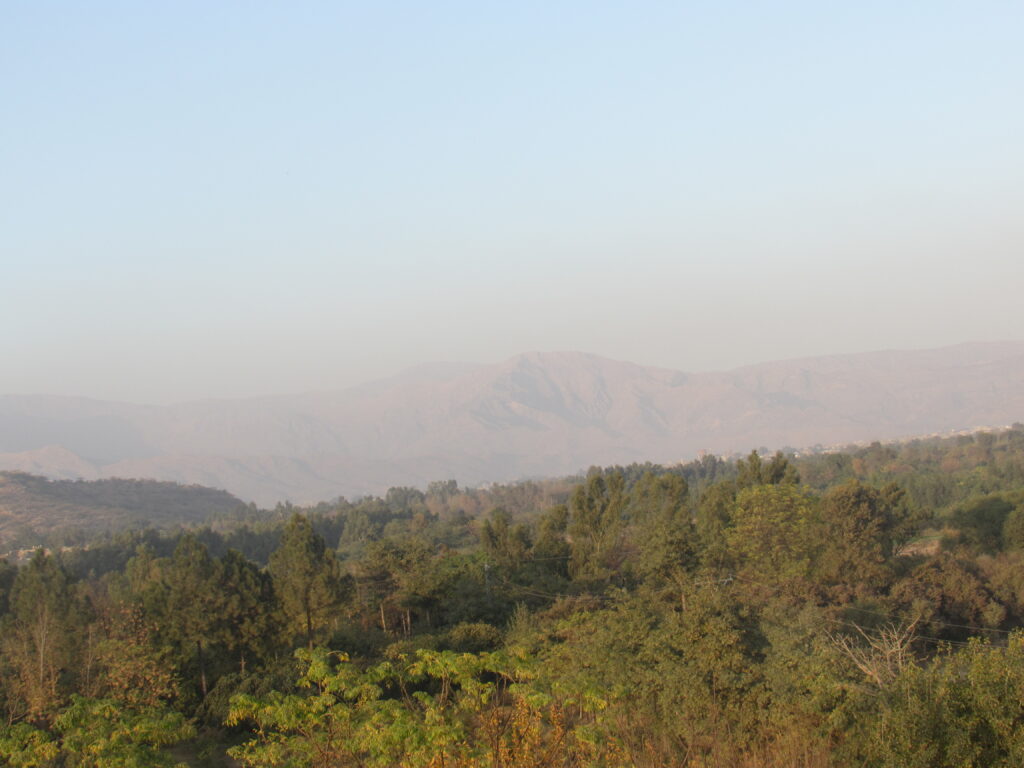
Featured image: The mountains around Kohat. Photo: Noorjehan, Wikimedia Commons (CC BY-SA 4.0).
Sources: Dawn, Dunya News, Aaj News, Khyber Chronicles, 20-21 November 2026.