
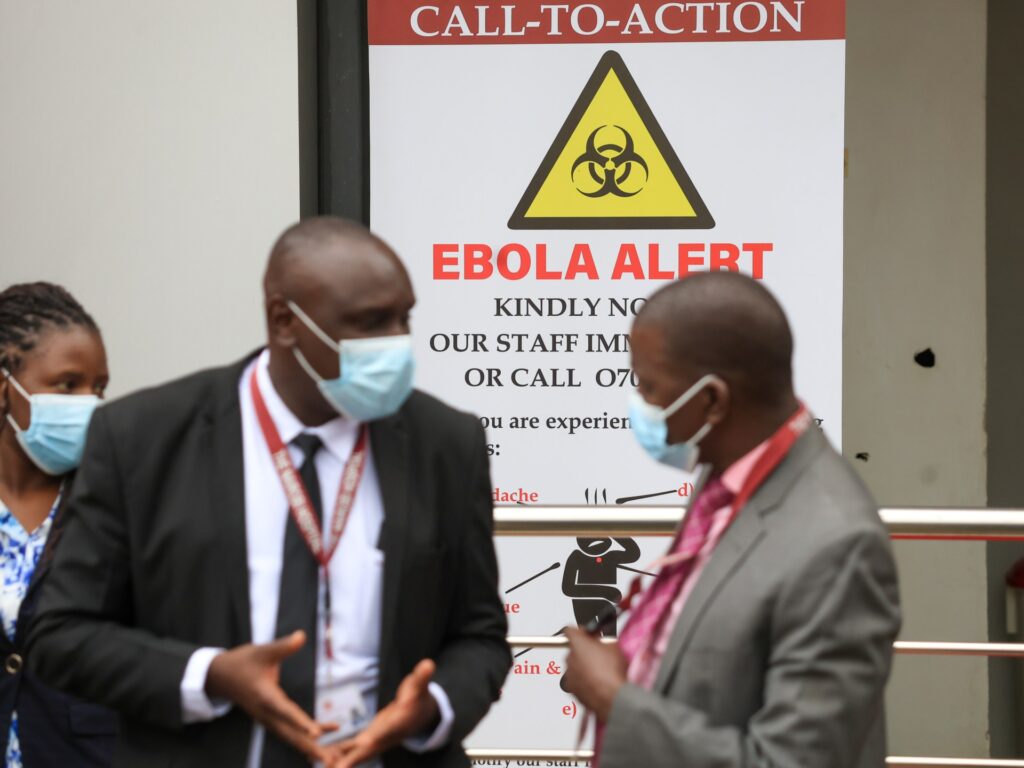
Kenya Reports Ninth Ebola Case as Nigeria Detects First Infection
Nigeria has confirmed its first Ebola case in the capital city of Abuja after a woman who had traveled from Uganda tested positive for the virus. The Federal Ministry of Health and Social Welfare said the patient began showing symptoms on 7 October and was admitted to a private hospital on 11 October, where she was later diagnosed with Ebola. Health Minister Muhammad Pate announced that officials are working to trace the 44 individuals who had contact with the patient, stating, “We are doing everything possible to contain this case by tracing all the contacts the individual may have had.”
Kenya, meanwhile, reported its ninth Ebola case on Tuesday. The patient is a 24‑year‑old man who was already in quarantine when he fell ill. The Ministry of Health said he was isolated at the first sign of illness, tested, and began treatment immediately after a positive result was confirmed. He is a close relative of Kenya’s first Ebola patient, who had traveled from the Democratic Republic of Congo through Uganda before arriving in Kenya and dying at a Nairobi hospital on 5 October.
Director‑General for Health Patrick Amoth said all nine cases belong to a single cluster and there is no evidence of transmission beyond this group. “Eight patients are stable and responding well to treatment, while 134 of 135 contacts have been traced and quarantined,” Amoth added. He noted that most contacts have completed the 21‑day monitoring period and can return home from 25 October, urging communities to welcome them back and reassuring that they “pose no risk of infection.” The ministry reported no infections within quarantine facilities and said infection‑prevention measures for health workers remain under continuous review.
Kenya has not imposed any restrictions on travel, trade or public gatherings, emphasizing that the country stays open for business. The Kenyan cases are linked to the ongoing Ebola outbreak in the Democratic Republic of Congo, which the European Centre for Disease Prevention and Control describes as the second‑largest epidemic on record, with more than 9,000 cases and over 4,000 deaths reported since May. The outbreak has been difficult to control because there is no licensed vaccine or specific treatment for the Bundibugyo strain of the virus. Uganda, which previously reported Ebola cases, has since been declared free of the disease.