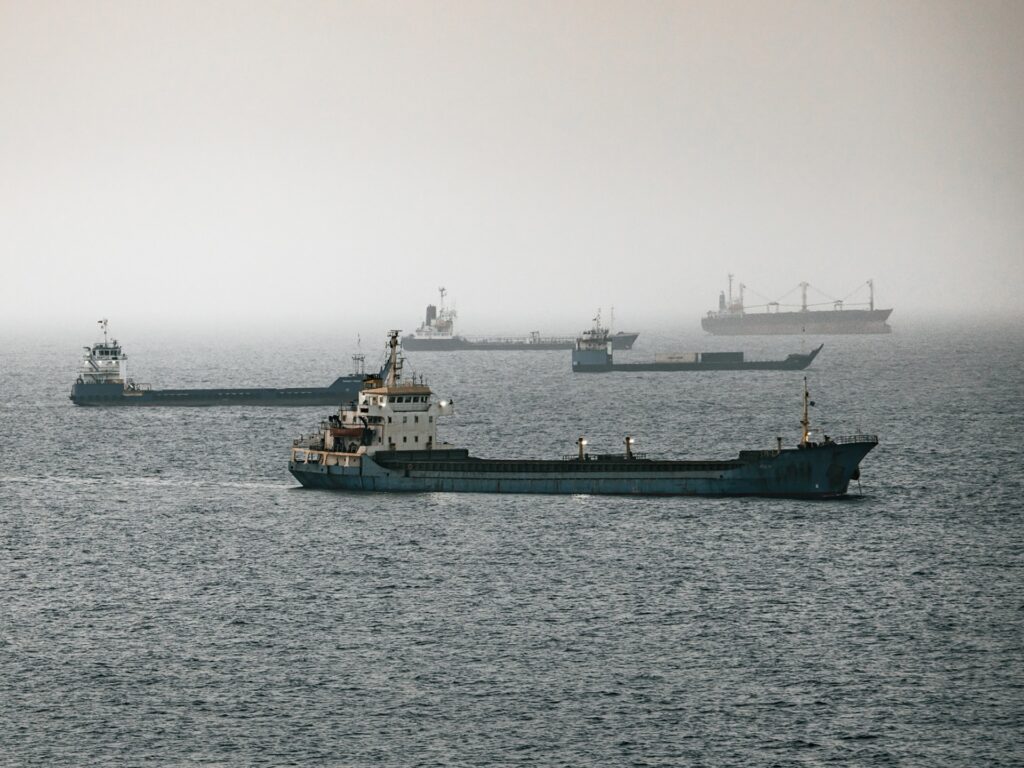
Iran says seven tankers struck in Hormuz, warns US of broader retaliation
Iran’s Islamic Revolutionary Guard Corps (IRGC) announced Thursday that seven oil tankers were hit and damaged in the Strait of Hormuz, marking the highest single‑day toll for the waterway since the United States and Israel began their war against Iran on February 28. According to an IRGC statement, four of the vessels were loading oil when they were targeted and caught fire overnight, while three others were disabled after striking mines.
The IRGC did not provide details about casualties or the national flags of the tankers, and the claims have not been independently verified. In the same statement, the IRGC warned that US bases throughout the Middle East could become targets if Washington continues to assist vessels navigating the strait. “The US military must know that if this trend continues, the conflict will extend to its bases in the region,” the group said on its Sepah News website, adding that the warning was serious.
Iran maintains that it controls the Hormuz passage, a key route for about one‑fifth of the world’s oil supplies, and it regularly attacks ships that attempt to pass without its permission. The United States, however, has been increasing naval escorts for commercial traffic, prompting Tehran to intensify its attacks.
President Donald Trump responded on his Truth Social platform, claiming Iran was trying to raise oil prices ahead of the US midterm elections. He suggested the reports of hits and mines were fabricated because more oil was flowing through Hormuz now than before the conflict began.
A spokesperson for US Central Command, speaking anonymously to Al Jazeera, dismissed Iran’s mine allegations as inaccurate. The official said US forces have cleared the international lanes of mines and that Iran is using missiles and drones instead. The spokesperson added that the strait remains open, with about ninety‑five percent of vessels successfully transiting.
Al Jazeera’s Mohamed Vall, reporting from Tehran, said the frequency of attacks on ships is rising and that Iran insists it will continue because it will not allow any change to the current situation. He noted that Tehran claims full control of the Hormuz Strait and that there are discussions of an imminent escalation, with Iranian officials expecting a US move before the November midterms. Vall quoted the IRGC army chief as saying Iran is more prepared than ever and has enough weapons and equipment to wage a symmetrical war against the United States.
In Washington, Al Jazeera’s Kimberly Halkett reported from the White House that striking Iran does not appear to serve Republican interests. She cited recent polls showing most Americans want relief from the cost of any potential war with Iran, especially as fuel prices have risen amid the conflict. Halkett said the pressure on the president comes not only from the opposition but also from within the Republican Party.