Houthi Missile Strike Damages Riyadh’s Tallest Tower as Attacks on Saudi Capital Escalate
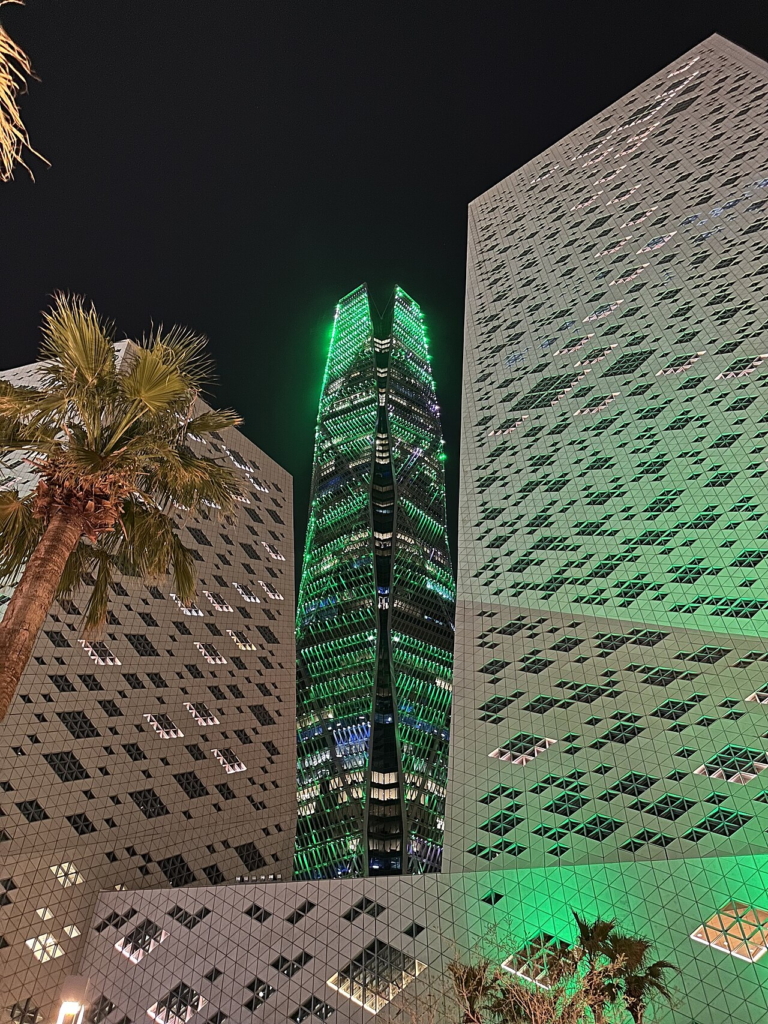
A suspected Houthi missile struck Riyadh’s tallest skyscraper on Thursday, blowing out windows across seven to eight floors of the tower that houses Saudi Arabia’s sovereign wealth fund. The attack on the 385-metre PIF Tower, in the King Abdullah Financial District, was the second time in less than two weeks that a Houthi strike has damaged a landmark in the Saudi capital’s financial heart. No casualties were immediately reported.
What happened in Riyadh
In the early hours of Thursday, journalists in Riyadh reported hearing a powerful blast. The Saudi-led coalition fighting the Houthis said it had addressed a missile threat launched towards the capital, and its spokesman, Turki al-Malki, said an initial assessment pointed to debris impact, with material damage being surveyed. Witnesses later told the AFP news agency that the PIF Tower, 80 storeys high and the tallest building in the city, had been damaged. “The facade is damaged across several floors, with windows blown out,” one witness said. Two other witnesses confirmed the damage. Entrances to the financial district were closed, people were evacuated, and ambulances and fire trucks were on the scene. Three sources familiar with the matter told Reuters the building had been struck by an incoming Houthi missile. Houthi military spokesman Yahya Saree said the group had targeted Riyadh’s international airport and the capital’s financial district with cruise missiles.
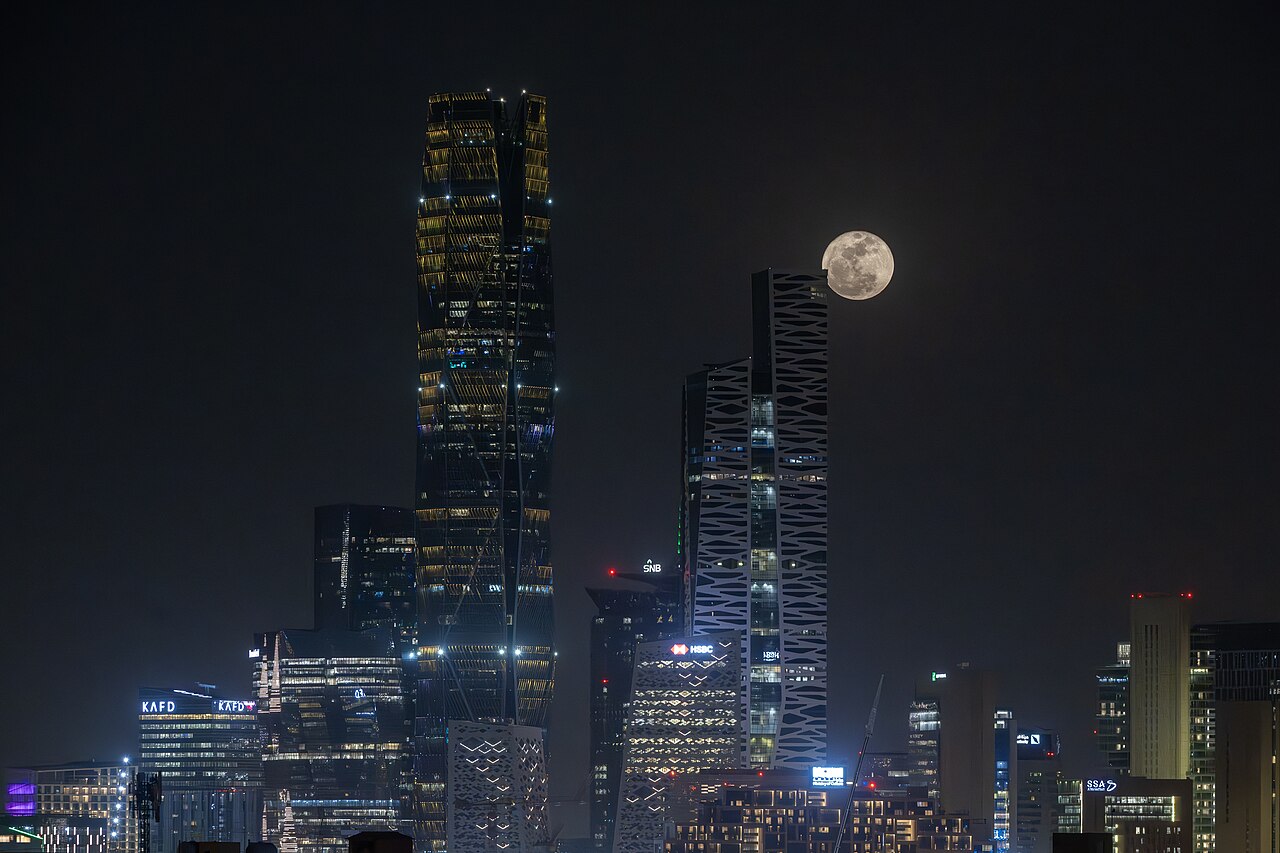
The King Abdullah Financial District in Riyadh. Photo: Wikimedia Commons, CC BY-SA 4.0.
A pattern, not an isolated strike
The strike fits a pattern that has been building for weeks. On November 8, a Houthi attack damaged a Riyadh office tower housing the headquarters of Aramco, the state oil giant, also in the financial district. The Houthis have stepped up attacks against Saudi Arabia in recent weeks, striking airports, energy infrastructure, military sites and the financial district. The surge follows fighting that reignited over the summer in Yemen’s civil war, in which Riyadh backs the internationally recognised government against the Houthis.
Why the target matters
The PIF Tower is more than an office block. It is the headquarters of the Public Investment Fund, the sovereign wealth fund chaired by Crown Prince Mohammed bin Salman, and the centrepiece of the King Abdullah Financial District, the showcase for Saudi Arabia’s economic ambitions. Hitting it sends a message that no part of the capital’s prestige project is out of reach. The material damage appears limited to the facade and windows, but the symbolic damage is harder to repair: the district was built to project stability and attract global finance, and it has now been hit twice in eleven days.
What it means beyond Riyadh
The strike lands in the middle of a wider regional escalation. A war between the United States and Iran that began in February has disrupted energy supplies, and this week Iran attacked a US air base in Kuwait and sites in Bahrain. The Houthis are backed by Iran, and their campaign against Saudi Arabia adds another front to a conflict that keeps spreading. For readers, the questions now are practical: whether Saudi air defences can stop the next missile, whether Riyadh answers with strikes of its own, and whether oil markets react if the financial district keeps being hit. The answers will shape not only Saudi Arabia’s security, but the price of energy far beyond the Gulf.
Sources: Reuters, via Daily Mirror, AFP, via The Korea Herald, South China Morning Post.