
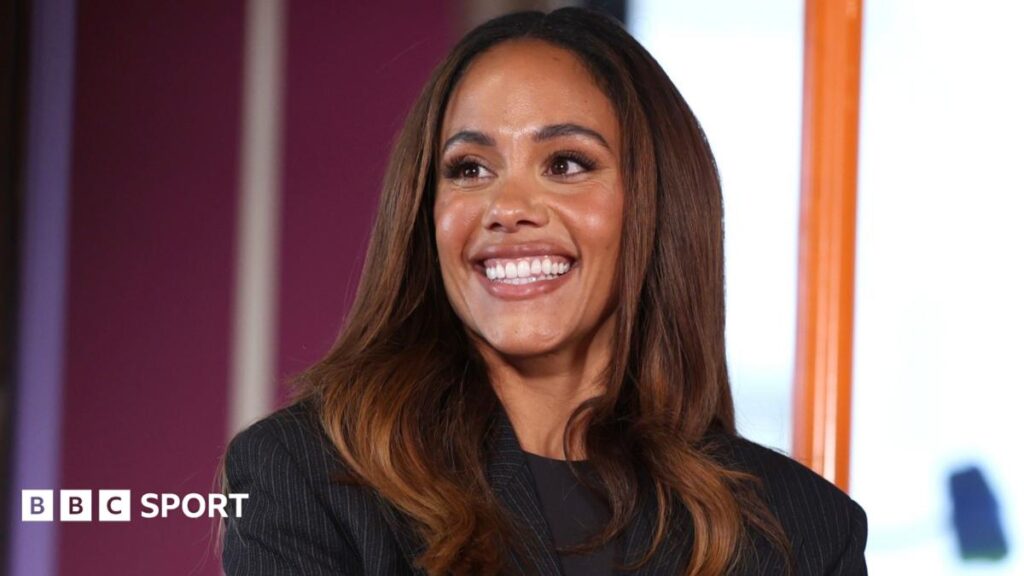
Does Alex Scott’s Disney+ exit signal broader issues in women’s football coverage?
Published 16 October 2026, former England international Alex Scott stepped away from Disney+'s coverage of the Women's Champions League after two rounds of matches. The streaming service is in the second season of a five-year deal to cover Europe's flagship club competition and this season introduced new formats, including a watchalong show where Scott alternated presenting duties with Shebahn Aherne. The broadcast has faced technical problems and criticism for a difficult opening night that featured an unscheduled advert break during Arsenal's game against HB Koge.
Scott has not explained her departure but told BBC Sport she was "grateful" for the opportunities she had at Disney+ and hoped to "continue working together" in the future. Her sudden exit raises the question of whether it highlights the challenges broadcasters encounter when covering the women's game in a rapidly changing media landscape.
A subnote published on 23 September highlighted that the advert break in the Women's Champions League was unscheduled. Broadcasters have admitted they are "not sure who the audience is." The surge in interest in women's football over the past five years has been driven largely by Sky Sports and the BBC. When Disney+ secured the Champions League rights ahead of the 2025-26 season, it cited the competition's potential to attract new viewers.
Scott has also launched her own YouTube programme this season, One More Word WSL, which she presents on Sunday evenings alongside former England internationals Anita Asante and Fara Williams. Broadcasters have experimented with format, style and tone – Disney+ even featured a dog on set during some broadcasts – but not every idea has succeeded.
Carrie Dunn, a journalist who has covered women's sport for more than two decades, says the reaction to coverage reflects a central tension. "The challenge broadcasters are finding is that they are not sure who the audience is," she says. "A lot of it is targeted at a new generation and it's clearly not for people who have watched women's football for longer." She adds that budget cuts often leave the same presenters and pundits trying to serve all viewers, which simply does not work.
An image caption notes that Alex Scott, Fara Williams, Ellen White and Steph Houghton are among the former England internationals who regularly front women's football coverage in the UK.
In the summer the BBC announced that its Women's Super League highlights show would not return for the 2026