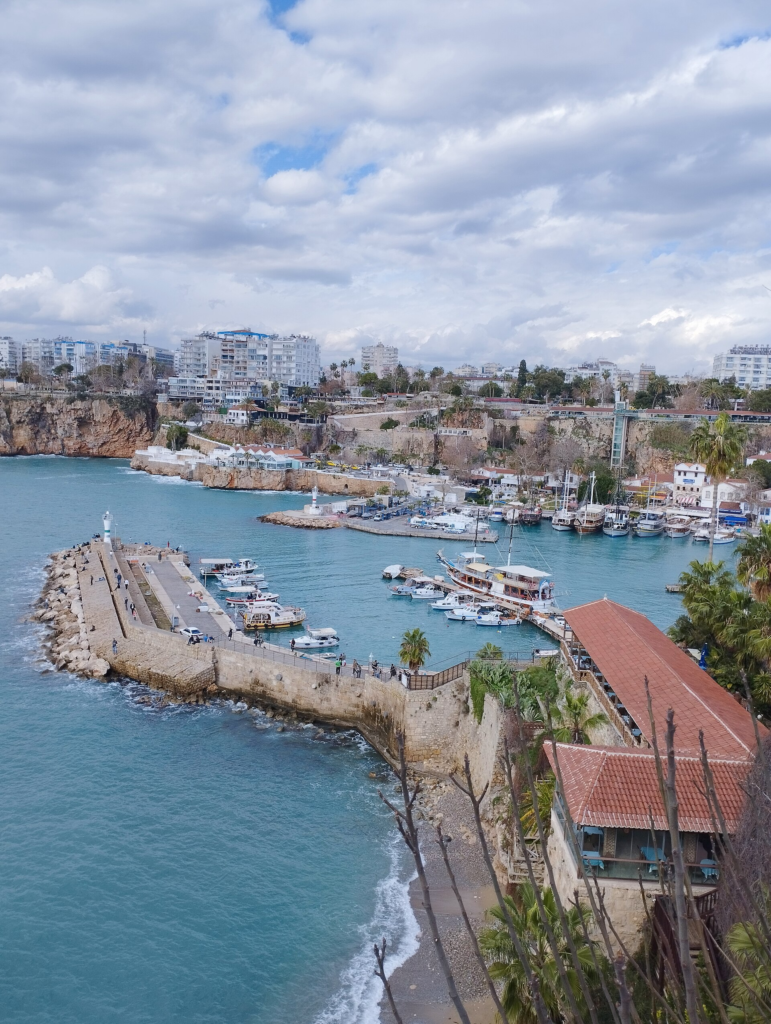
COP31 Climate Talks Collapse in Antalya as Fossil Fuel Fight Ends Without a Deal
Two weeks of climate talks in a Turkish resort town ended on Sunday without a deal. The COP31 summit in Antalya collapsed because the final draft made no mention of fossil fuels, the main driver of global warming. It is the first time since Copenhagen in 2009 that United Nations climate talks have ended without a deal adopted by all countries, leaving the world’s main climate process without an agreed direction.
What happened in Antalya
The conference, jointly led by Turkiye and Australia, was due to finish on Friday, but it ran more than 44 hours into overtime, the longest any climate summit has ever run past its deadline, and still ended in disarray. At the closing meeting on Sunday, COP31 president Murat Kurum, Turkiye’s environment minister, told delegates there was no consensus on the final text, known as the Antalya Pact, and the decisions were not adopted. The European Union, Panama, the Marshall Islands and Norway rejected it. Ireland’s climate minister Darragh O’Brien, speaking for the EU, said the bloc would not endorse a pact that does not even mention fossil fuels. The draft also left out any call to move away from coal, oil and gas, and Kurum confirmed there would be no new text.
Why two words broke the summit
Fossil fuels have been the fault line at climate talks for years, and in Antalya the gap proved impossible to bridge. At COP28 in Dubai in 2023, countries agreed for the first time to transition away from fossil fuels, but this year’s draft stepped back from that language and referred only to the earlier agreement. Saudi Arabia and other large oil producers pushed hard for a text with no explicit mention of fossil fuels, while backing technology that captures and stores carbon pollution. On the other side, the EU and the most climate vulnerable countries said a climate agreement that never names the cause of warming is not a climate agreement at all. Because any deal needs near unanimous agreement among nearly 200 countries, one deep divide can stop the whole package.

A session at COP28 in Dubai in 2023, the summit where countries agreed to move away from fossil fuels. Photo: IAEA Imagebank, Wikimedia Commons, CC BY 2.0.
What the failure means
The collapse comes at a difficult time for the planet. A United Nations report published earlier this month confirmed the world is on course to overshoot the 1.5 degree Celsius warming limit, with temperatures expected to rise by around 2.8 degrees on current policies. The planet is already at about 1.4 degrees of warming. The draft deal had acknowledged the overshoot for the first time, but that recognition is now lost with the rest of the text. Mohamed Adow, director of the energy think tank Power Shift Africa, called it the worst COP ever and said its collapse should be a wake up call for the world. The United States, under President Donald Trump, has pulled out of international climate action and was not part of the talks.
What happens next
The failure does not erase the obligations countries have already taken on, and smaller issues did make progress, but the talks are the main vehicle for coordinating climate efforts, and a breakdown weakens that coordination. The African group of negotiators, representing 54 countries, also complained that its voice had not been respected, a sign of how strained the process has become. For the people already living with floods, drought and heat, the question is not who was right in Antalya, but whether the next round of talks produces anything at all.
Sources: CNN, Al Jazeera, Reuters via Nikkei Asia.