Republicans reassess stance on Epstein, Iran as midterms approach
By Umar Farooq – 22 Oct 2026
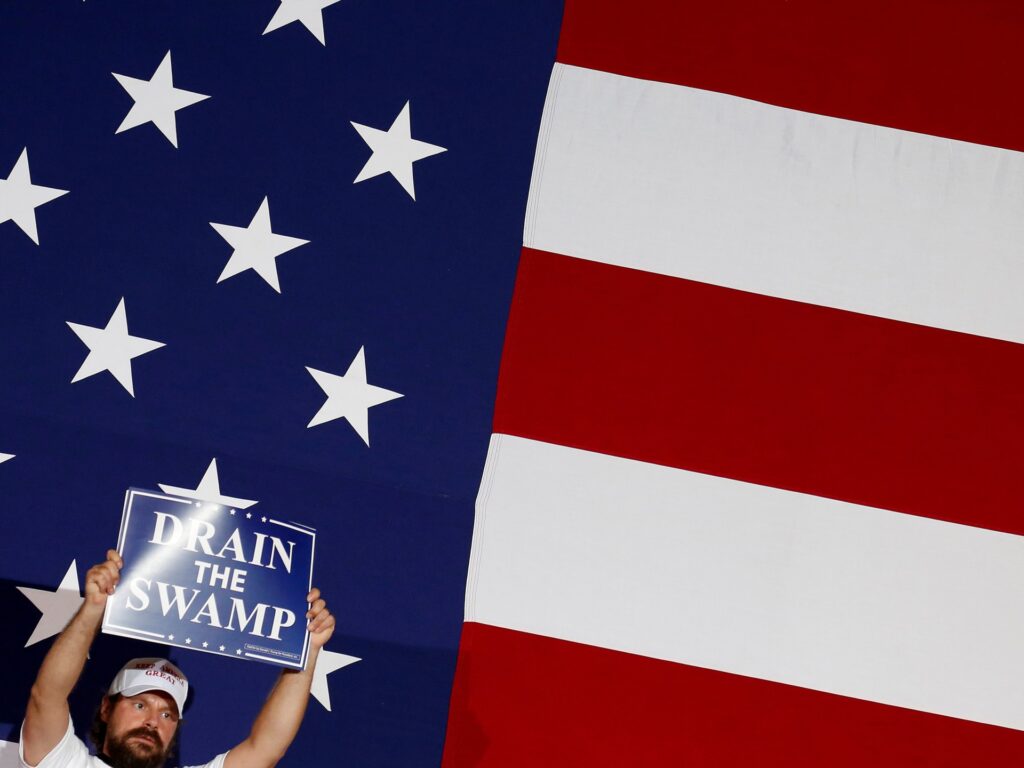
President Donald Trump has built his brand on being an outsider who would “drain the swamp,” put “America first,” and shift attention from overseas conflicts to domestic concerns. Those slogans have become rallying cries for a wave of “Make America Great Again” Republicans.
Halfway through his final term, however, Trump has moved away from many of those promises. He has grown closer to the ultra‑wealthy, stalled investigations into convicted sex trafficker Jeffrey Epstein, and launched a war with Iran.
That shift appears to be influencing Republican candidates ahead of the November midterm elections, according to Rina Shah, a geopolitical adviser and former senior GOP congressional aide. “In competitive races, some are quietly distancing,” Shah said, noting that candidates are now emphasizing gas prices, local issues, or simply saying, “I’m focused on my district,” because the Iran war and the Epstein controversy are already showing up in attack ads and soft polling.
**Republicans who broke with Trump on the Epstein files**
During his 2024 campaign, Trump promised to declassify FBI files related to Epstein and his global network. Future members of his cabinet, including Kash Patel, then head of the FBI, urged the president to “put on your big boy pants and let us know who the pedophiles are.”
Months after taking office, Trump began to stall, calling the issue a “hoax” and accusing Democrats of using it to trap Republicans. Pressure from a small group of GOP lawmakers forced the administration to release heavily redacted batches of the files, though some material remains withheld.
Republicans who voted for the Epstein Files Transparency Act have faced repercussions. Marjorie Taylor Greene lost her Georgia seat in January 2026 after a public clash with Trump over the matter. South Carolina Republican Nancy Mace failed to secure the party’s nomination after Trump declined to endorse her. Colorado’s Lauren Boebert narrowly survived a primary challenge after supporting calls for transparency championed by Rep. Thomas Massie, a Kentucky Republican who also drew Trump’s ire.
**The Iran war and the promise to end foreign entanglements**
Trump long argued that he would scale back U.S. military involvement abroad, breaking with the interventionist record of recent Republican presidents. The ongoing conflict between the United States and Iran, sparked by Israel’s war with Tehran, has put that promise under scrutiny. MAGA commentator Tucker Carlson called the war a mistake, saying, “This is Israel’s war. This is not the United States’ war.”
Among disgruntled supporters, a narrative has emerged that Trump is using the war to distract from the Epstein issue. Massie summed it up, stating, “Bombing a country on the other side of the globe won’t make the Epstein files go away.”
Trump has tried to downplay the war’s impact, but many voters, including Republicans, feel he has broken his own pledge, contributing to historically low approval ratings for the president. Shah observed, “Seven months into an open‑ended campaign with shifting goals, that promise looks different to a lot of his voters.”
In Congress, only a handful of Republicans have joined Democrats in voting against the war. In September, seven House Republicans supported an anti‑war resolution, and a small number of Senate Republicans have done the same. Trump labeled those lawmakers “unpatriotic” and said, “They should be ashamed of themselves.”
As with the Epstein files, Trump has taken steps against dissenting Republicans on the Iran issue, backing primary challengers against senators who voted for anti‑war measures, such as the opponent of Senator Bill Cassidy in Louisiana. The internal rift suggests a party at a crossroads as it heads into the midterm elections.